Crypto Knowledge Base
Crypto exchange reviews, wallet guides, DeFi risk checks, trading explainers, stablecoin analysis and platform due diligence
Crypto research hub
Guides for exchange choice, wallet security, DeFi risk and trading decisions
CryptoRanks Wiki organizes practical crypto research into clear clusters: exchange reviews, crypto wallet comparisons, DeFi safety checks, trading explainers, stablecoin risk notes and platform review methodology. Use this page as a starting point when you need to compare exchanges, understand withdrawal or KYC risks, check wallet permissions, or read market mechanics before making a decision.
Start here
Best exchanges →- How to choose a crypto exchangeA practical checklist for fees, security, liquidity, KYC and regional access.
- No-KYC crypto exchangesWhere privacy-focused trading still works and what limits to expect.
- Crypto wallet comparisonSoftware wallets, networks, Web3 features, staking and security trade-offs.
- DeFi approval phishingHow wallet permissions, approvals and signature prompts can turn into asset-drain risk.
- Proof of Reserves guideWhat PoR can prove, what it cannot prove, and how users should verify claims.
- How to read exchange reviewsA way to separate repeated platform problems from emotional one-off complaints.
- Liquid staking risksHow LST yield, depeg scenarios, liquidity and redemption rules should be checked.
Main research clusters
Knowledge base FAQ
What is the best place to start in this knowledge base?
Start with exchange selection, wallet security and basic trading guides. Those topics explain the main choices most users make before moving into DeFi, bots or higher-risk platforms.
Are these articles only exchange reviews?
No. The hub includes crypto exchange reviews, wallet guides, DeFi risk checks, trading explainers, stablecoin analysis and forex or prop-firm topics.
How should I use review articles?
Use them as structured due diligence: compare repeated complaints, withdrawal rules, KYC requirements, fees, licenses and support patterns instead of relying on one emotional review.
Do the guides replace personal financial advice?
No. They are educational checklists and risk explainers. Crypto, DeFi and trading products can be high risk, so decisions still need independent verification.
How often is the knowledge base updated?
Pages are updated when exchange conditions, crypto market data, product rules or risk patterns change. Check the article date and verify live platform terms before acting.
Crypto Arbitrage, xStocks and Perp DEX: How to Find Real Spreads
A practical guide to CEX, funding and perp arbitrage, tokenized stocks, and the tools used to verify liquidity, fees and execution risk.

Custodial and non-custodial crypto cards: what is the difference?
We compare control of keys, custody of funds, KYC, freezes and the risks of the two crypto card models.

Telegram NFT marketplace ranking: where to buy gifts, usernames and TON NFTs
A practical comparison of Telegram Gift Marketplace, Fragment, Getgems, Portals, Tonnel and P2P deals for buying Telegram Gifts, usernames and TON NFTs.
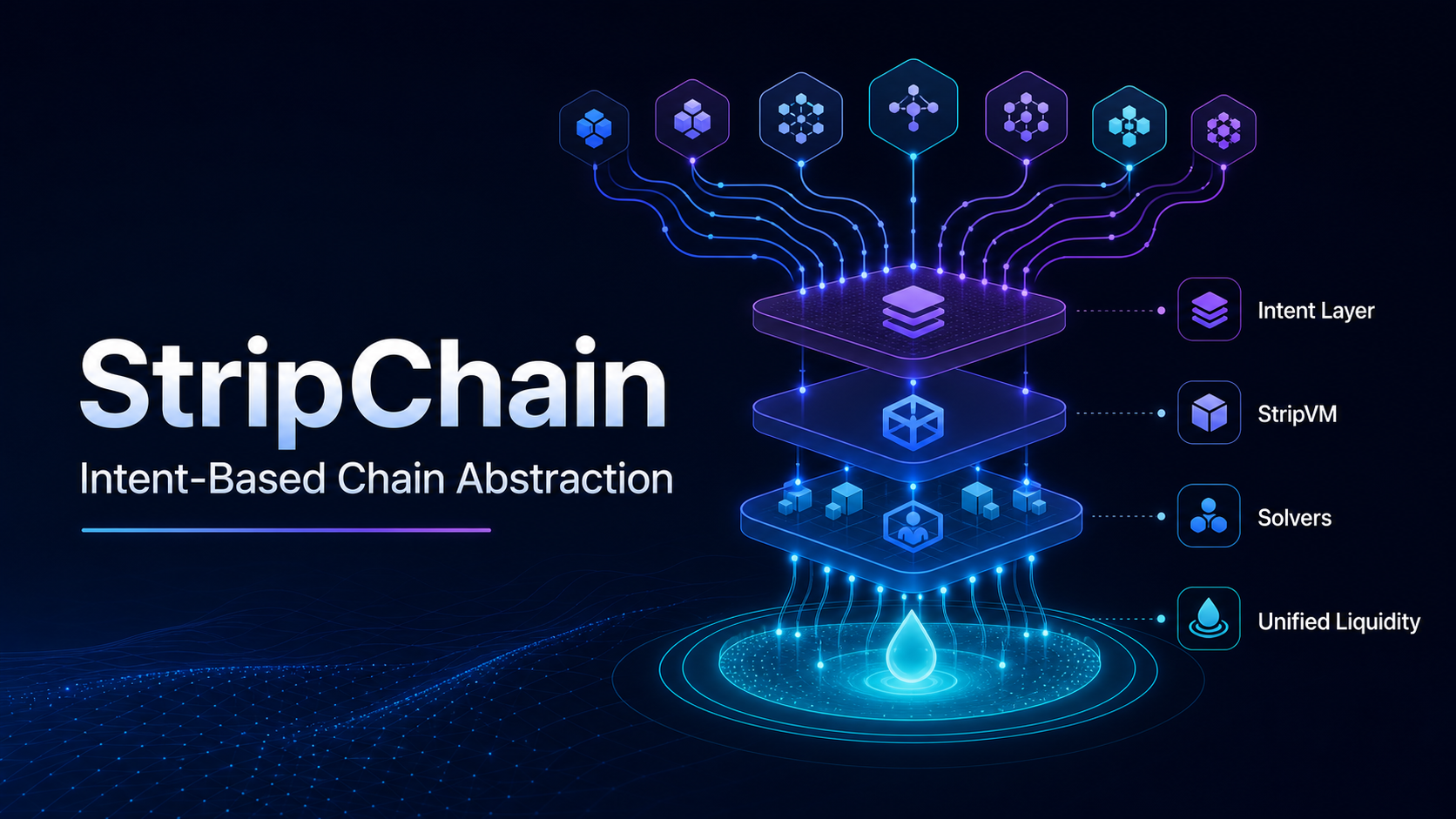
StripChain: Chain Abstraction for Omnichain Applications
StripChain is an intent-based interoperability protocol built around StripVM, StripIntents, StripSolvers and a unified liquidity layer for omnichain applications.
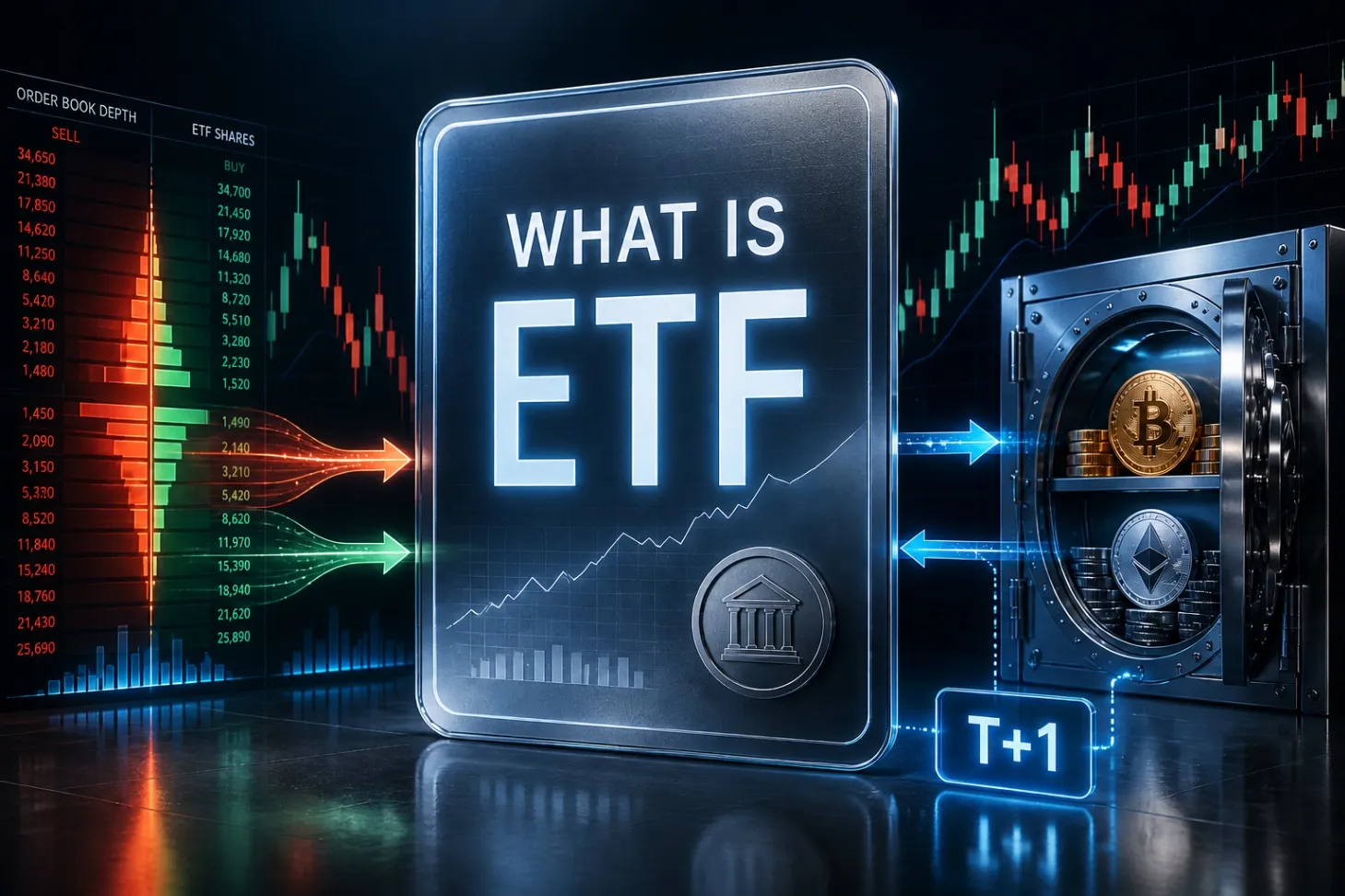
Why the price moves sharply after a crypto ETF launch
How T+1 settlement, ETF share turnover and collateral operations create price jumps
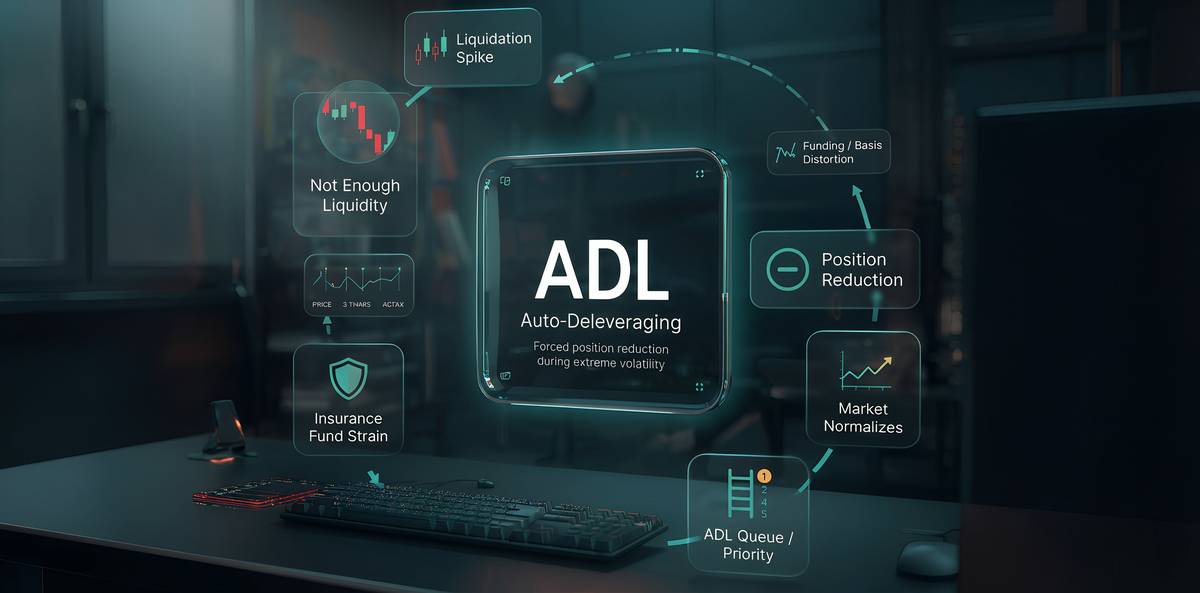
What is ADL on OKX
Auto-deleveraging on OKX derivatives as a clearing-balance mechanism
Beginner mistakes on crypto exchanges: what most often leads to losses
Six common mistakes: choosing the wrong transfer network, ignoring fees and limits, weak account security, no test withdrawal, early leverage and emotional all-in trades.

Why Price Can Fall Without Selling: How Market Mechanics Work
Market mechanics explain how quotes can decline on low trading volume: the order book, liquidity, spread, index price, derivatives, and distributed price formation in crypto markets

How to earn in the Avalanche ecosystem: DeFi protocols and AVAX staking
A practical guide to Avalanche DeFi: C-Chain, liquidity, staking, lending, bridges and risk controls
Top AirDrop hunter mistakes: why allocations get cut and accounts get banned
Anti-Sybil filters, common farmer mistakes, and practical ways to protect allocations and rewards
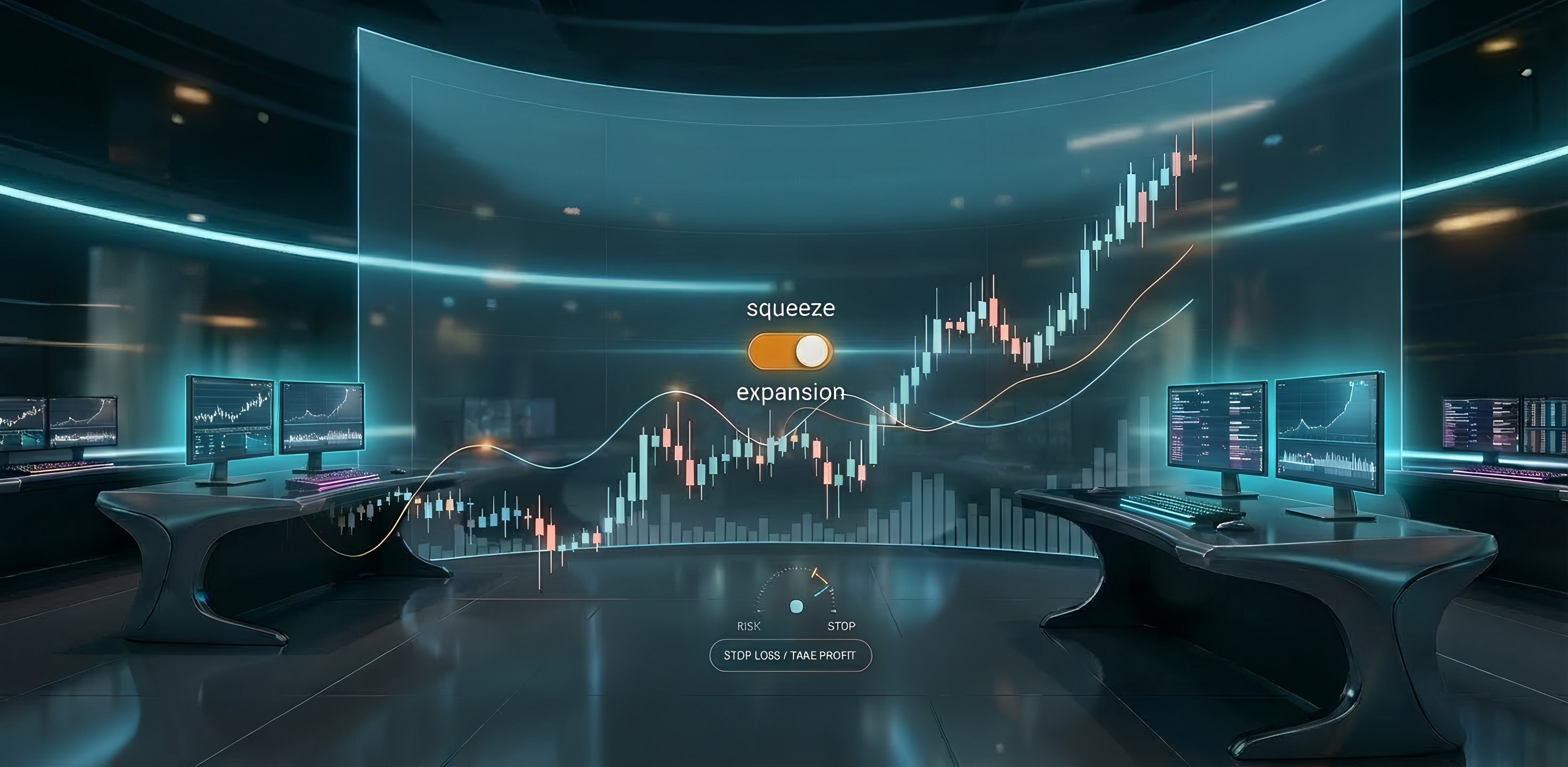
Crypto volatility: what it means and how traders can use it
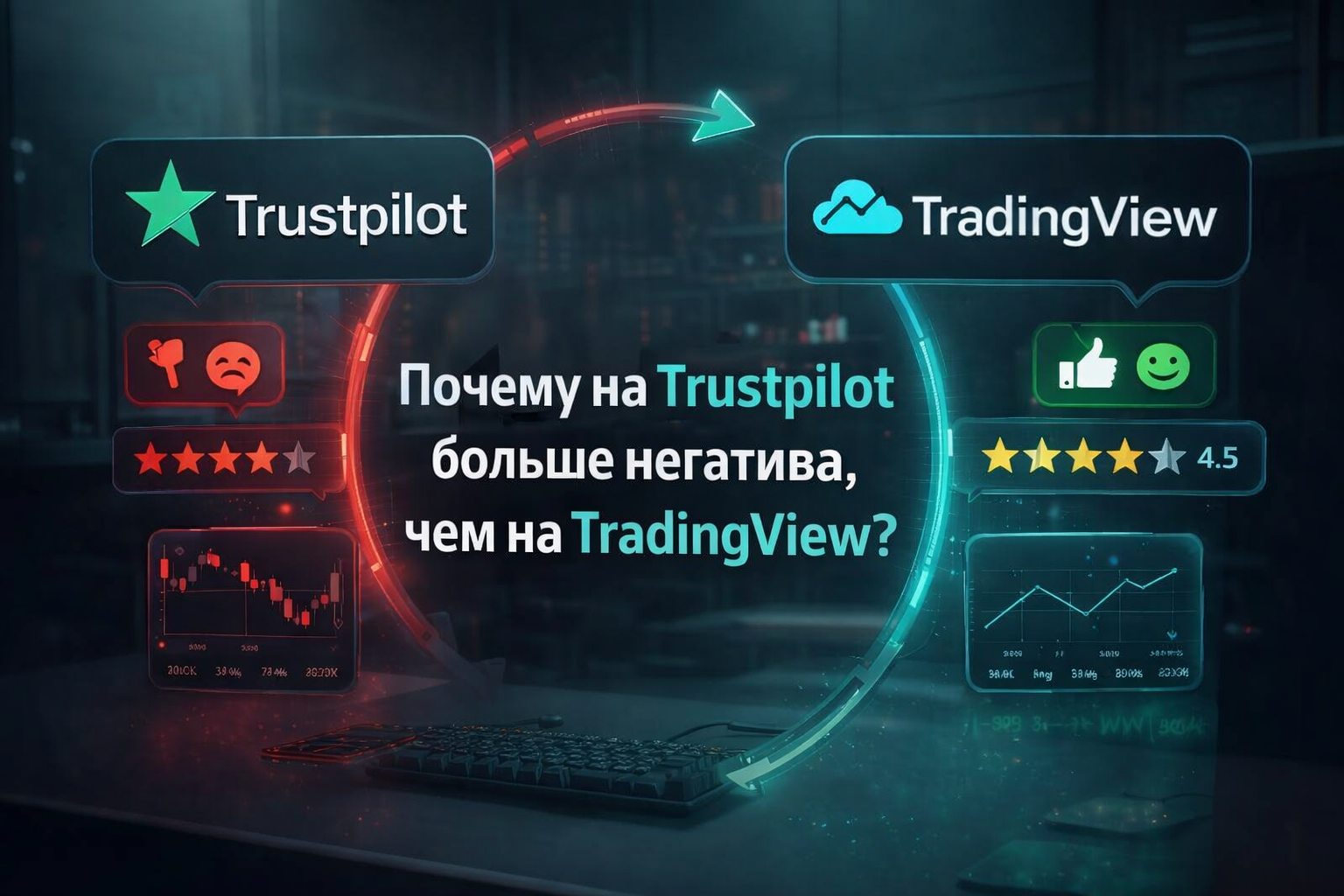
Why Trustpilot has more negative reviews than TradingView
The difference is shaped by where the user event is recorded, not by a subjective rating of the service
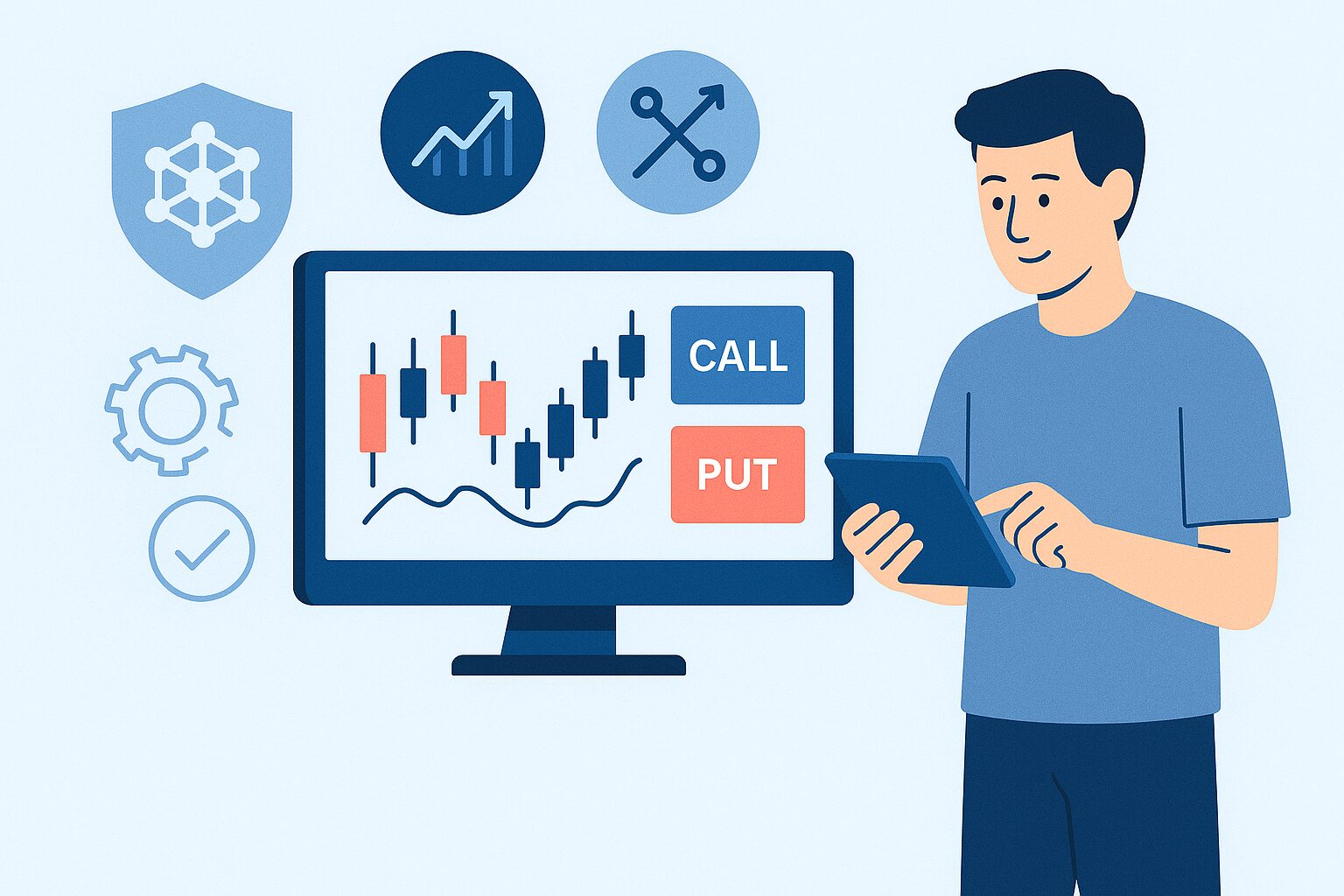
Decentralized Options Platforms (DeFi) vs CeFi Exchanges
How on-chain options protocols differ from centralized venues in custody, liquidity, pricing and risks.

How long document verification takes on a crypto exchange
Real KYC timeframes and the points where delays appear
How to start trading on a crypto exchange: a mistake-free start in 10 minutes
A beginner mini-plan: choose a platform, secure the account, make the first deposit and place the first order without leverage.

Market impulses (spikes): why sharp bursts matter more than the trend and how traders should read them
How to read price spikes through liquidity, volume, candle close, retest and execution risk instead of chasing the move.
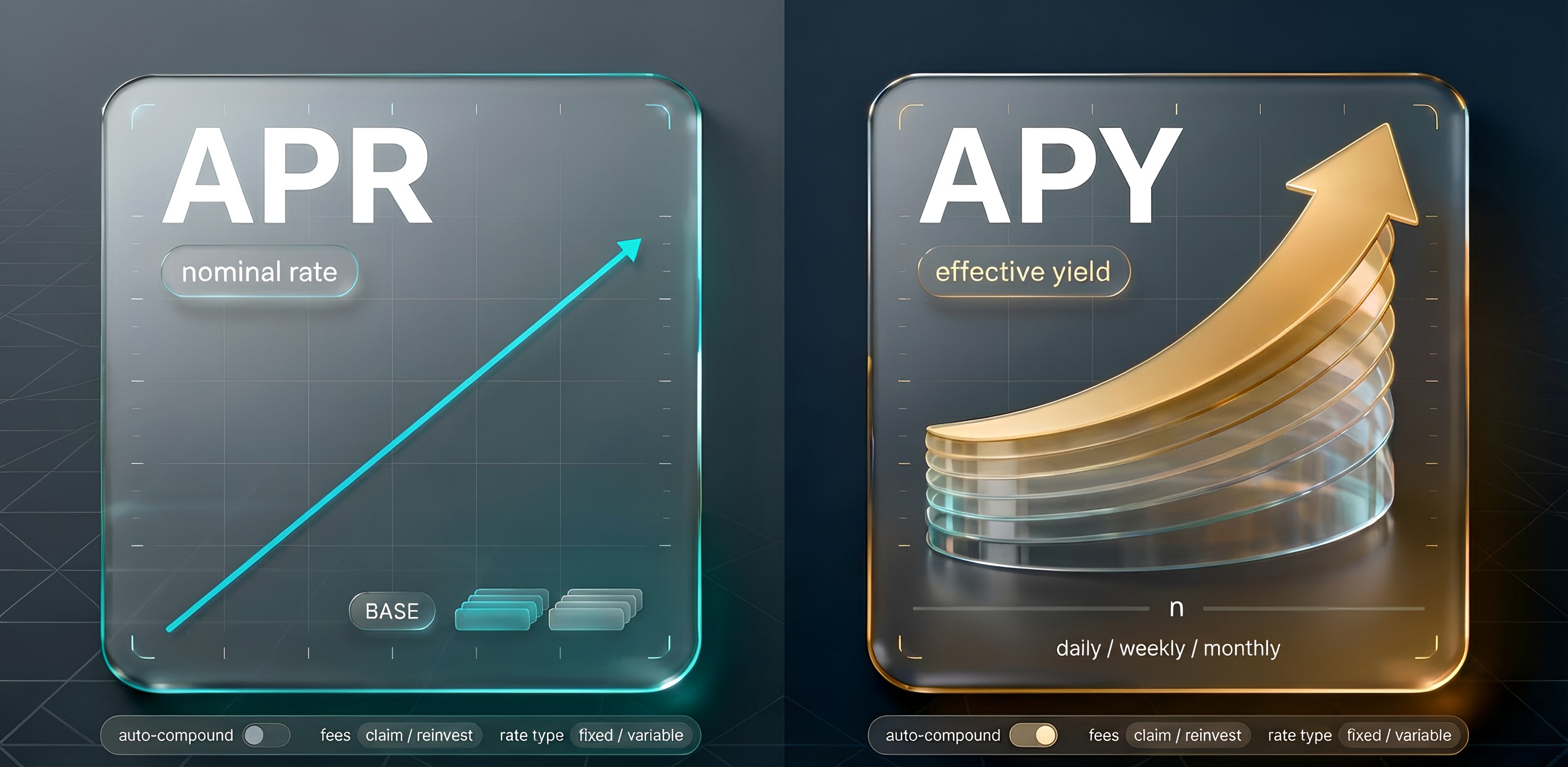
Crypto yield rates: APR vs APY
How to read nominal and effective annual yield in staking, Earn products, lending and DeFi.

Slippage by parts: what it is really made of
The market mechanics behind the actual execution price of a trade
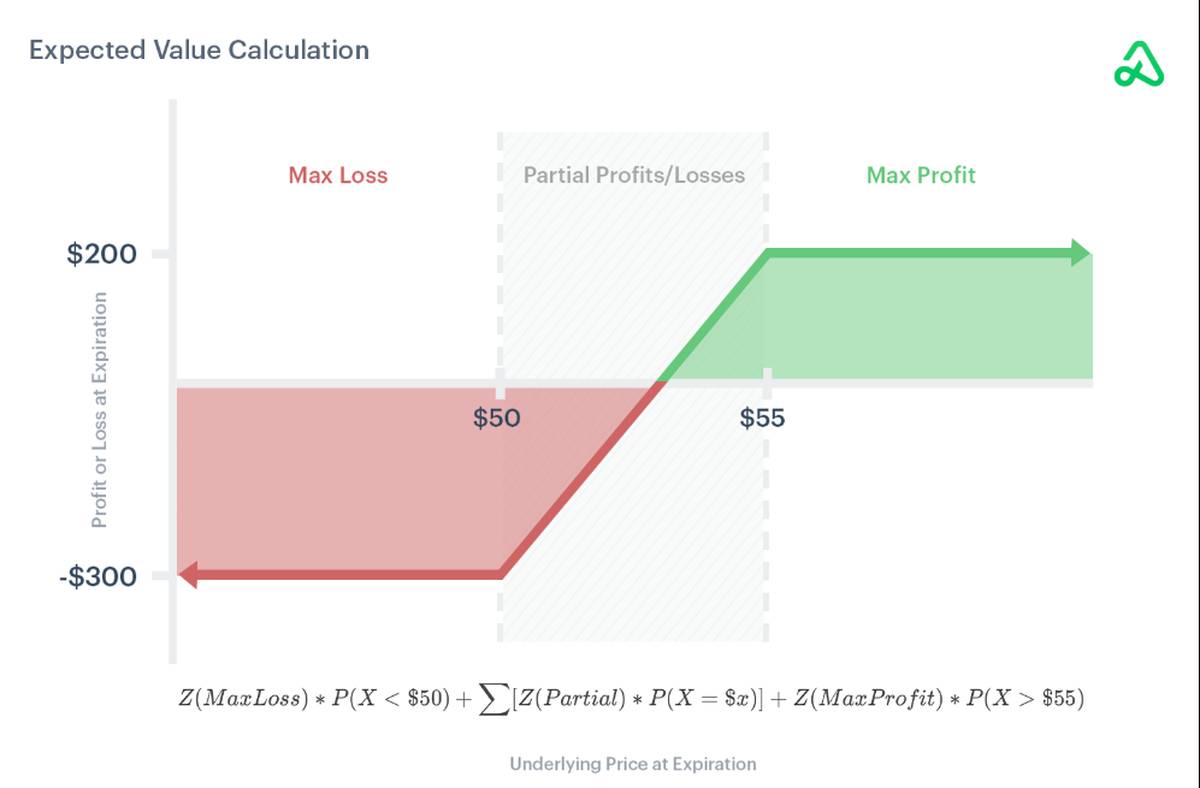
Why probabilities matter in trading, not individual trades
A practical guide to thinking in series: expectancy, drawdown and risk matter more than the result of one trade
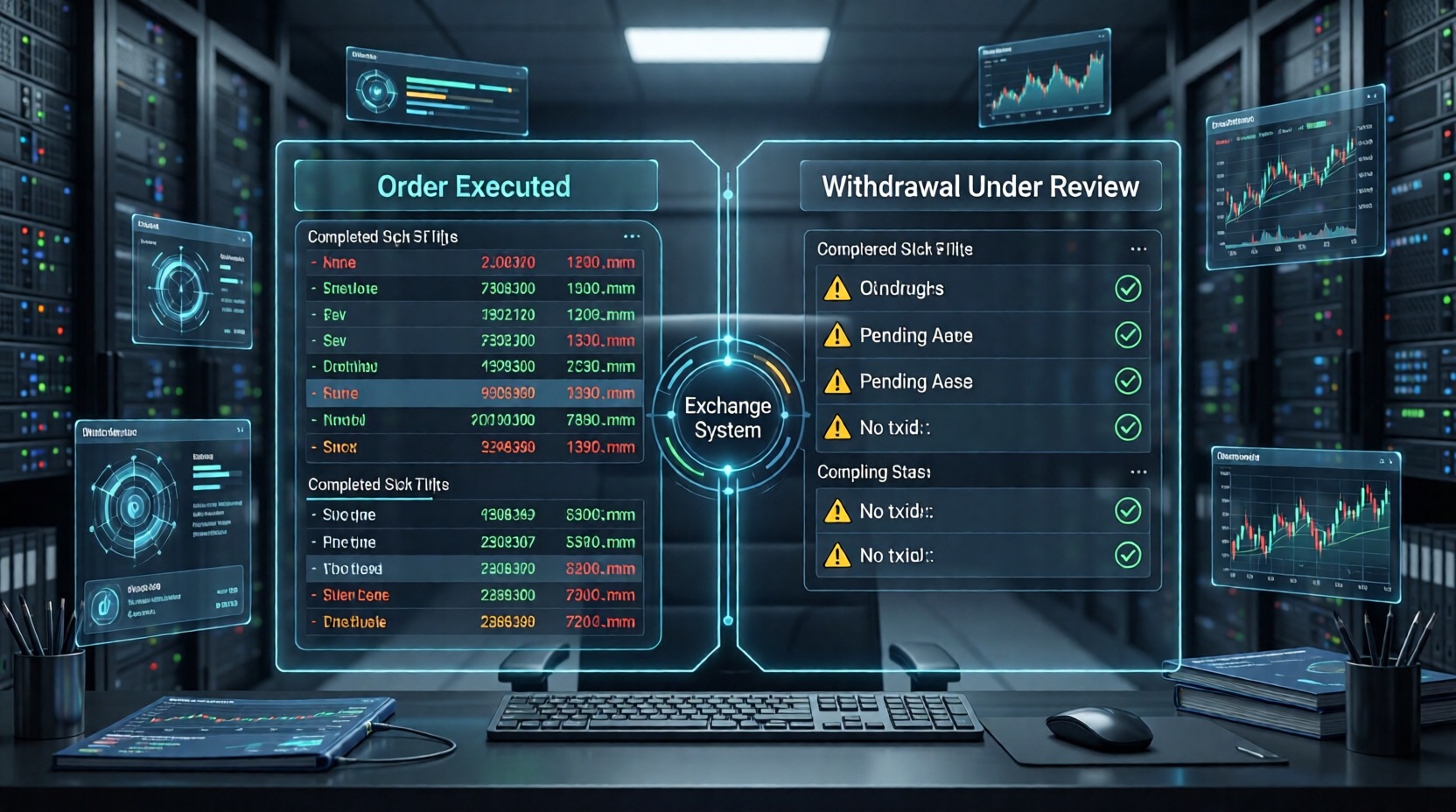
Why crypto exchange reviews are contradictory
How different system statuses for orders, withdrawals and accounts turn into opposite ratings