Options
Content focused on options as derivative instruments, covering option types, contract mechanics, risks, and use cases
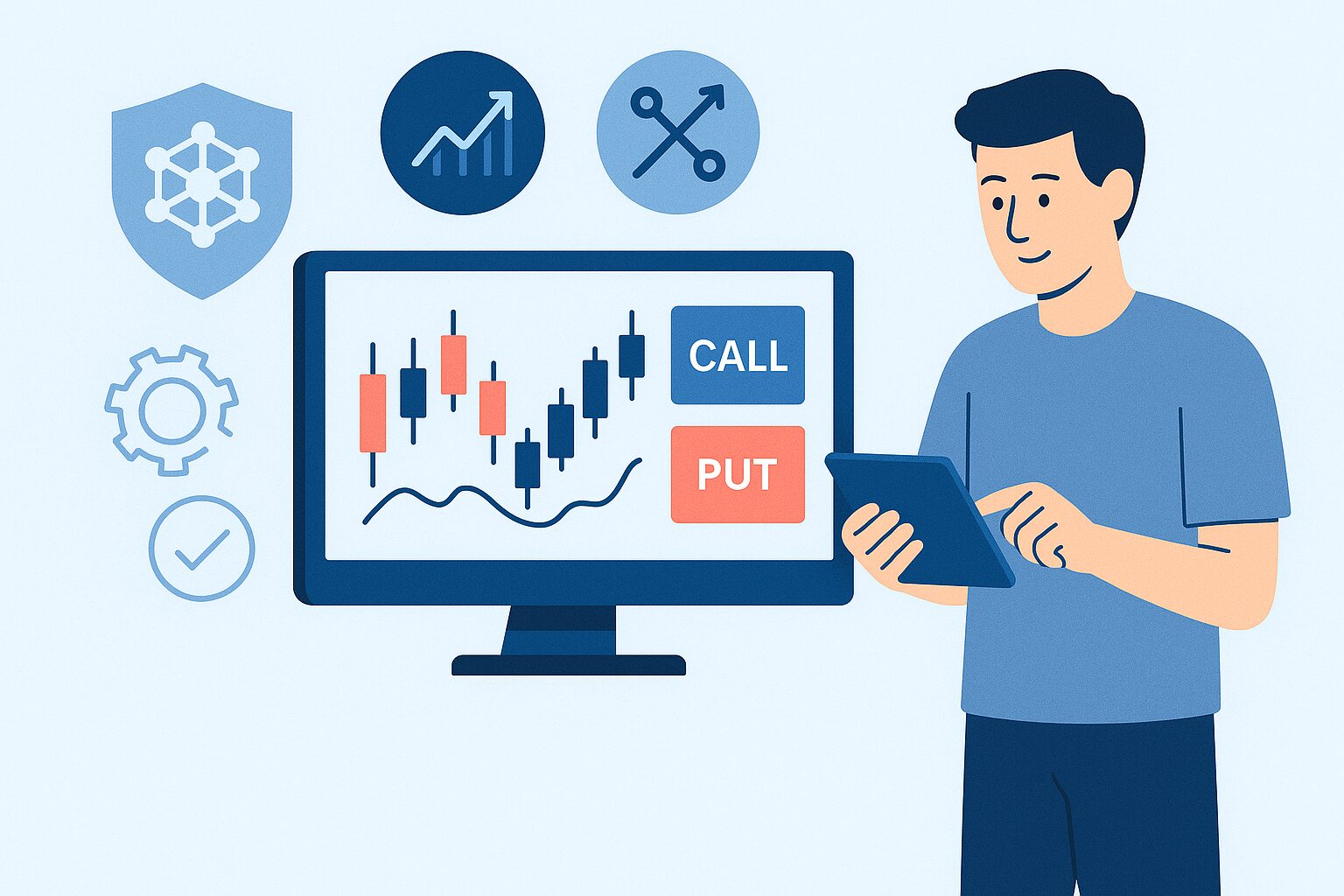
Decentralized Options Platforms (DeFi) vs CeFi Exchanges
How on-chain options protocols differ from centralized venues in custody, liquidity, pricing and risks.

DeFi Options Without KYC: How These Platforms Work and Where the Real Limits Are
A breakdown of current platforms for trading options through a Web3 wallet, their models, access limits, and key risks
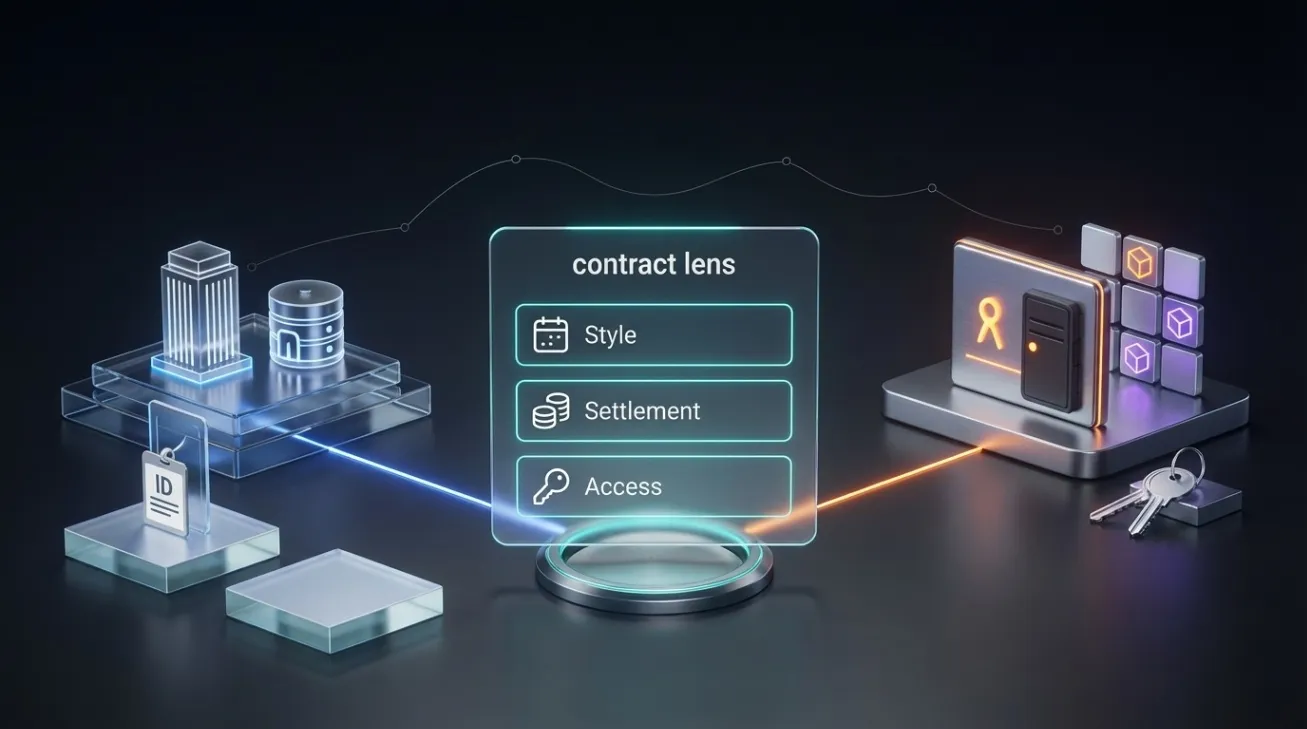
Where to Trade Options: Best Licensed Venues
An expert review of licensed venues for options trading: exchanges and platforms, access terms, fees, assets, settlement, and regulation
Options Strategies: A Complete Guide to Direction, Volatility, Income & Hedging
Practical guide to options strategies: long/put, covered calls, cash-secured puts, verticals, straddle/strangle, calendars, condors, collars, DeFi — risks, entries, exits.
Binary Options Explained: Why They Are a Scam and Safer Alternatives
Learn what binary options are, why their math guarantees long-term losses, and how scams operate. Discover safer, regulated alternatives for investing and trading.
Also in this category
Related articles you might find interesting
Open interest in crypto: how to read the market, not illusions
How open interest tracks contract count and liquidation risk when leverage is used
TradingVWAP and TWAP in trading: how to execute large orders without unnecessary slippage
VWAP and TWAP help execute large orders without moving price or revealing intent early
TradingADL (Auto-Deleveraging): how auto-deleveraging works and why a profitable position can be closed
Emergency futures risk mechanics that can automatically close a profitable position during market stress
TradingWhat this section covers
This section brings together practical materials about options: how the market works, which conditions matter, what risks are hidden in the details and how to compare products without relying on advertising claims.
- key concepts, terminology and product mechanics
- risk checks before using a platform or protocol
- practical comparisons, warning signs and decision checklists
Planning an options trade before placing the order
Identify the underlying asset, market view, time horizon, and maximum acceptable loss before selecting a call, put, strike, and expiry. Review the contract multiplier, premium, break-even point, implied volatility, liquidity, assignment terms, and settlement method, then model the payoff across several prices and dates.
Useful guides
For a deeper route through this topic, start with Where to Trade Options: Best Licensed Venues, Options Strategies: A Complete Guide to Direction, Volatility, Income & Hedging, Binary Options Explained: Why They Are a Scam and Safer Alternatives, DeFi Options Without KYC: How These Platforms Work and Where the Real Limits Are.
Frequently asked questions
What matters when comparing options contracts?
Contracts on the same underlying can differ sharply in expiry, strike, bid-ask spread, open interest, implied volatility, exercise style, and physical or cash settlement. Compare the full risk profile and sensitivity to time decay and volatility rather than choosing solely by the cheapest premium or largest possible payoff.
Can an options buyer lose more than the premium paid?
For a straightforward long call or long put, the usual maximum loss is the premium plus transaction costs. Short options and multi-leg positions can create much larger or even theoretically unlimited losses, while exercise and assignment can produce an unexpected underlying position, so the exact strategy and broker rules matter.