Crypto Cards
Content covering crypto cards for payments and everyday spending, including usage models, fees, supported assets, and limitations
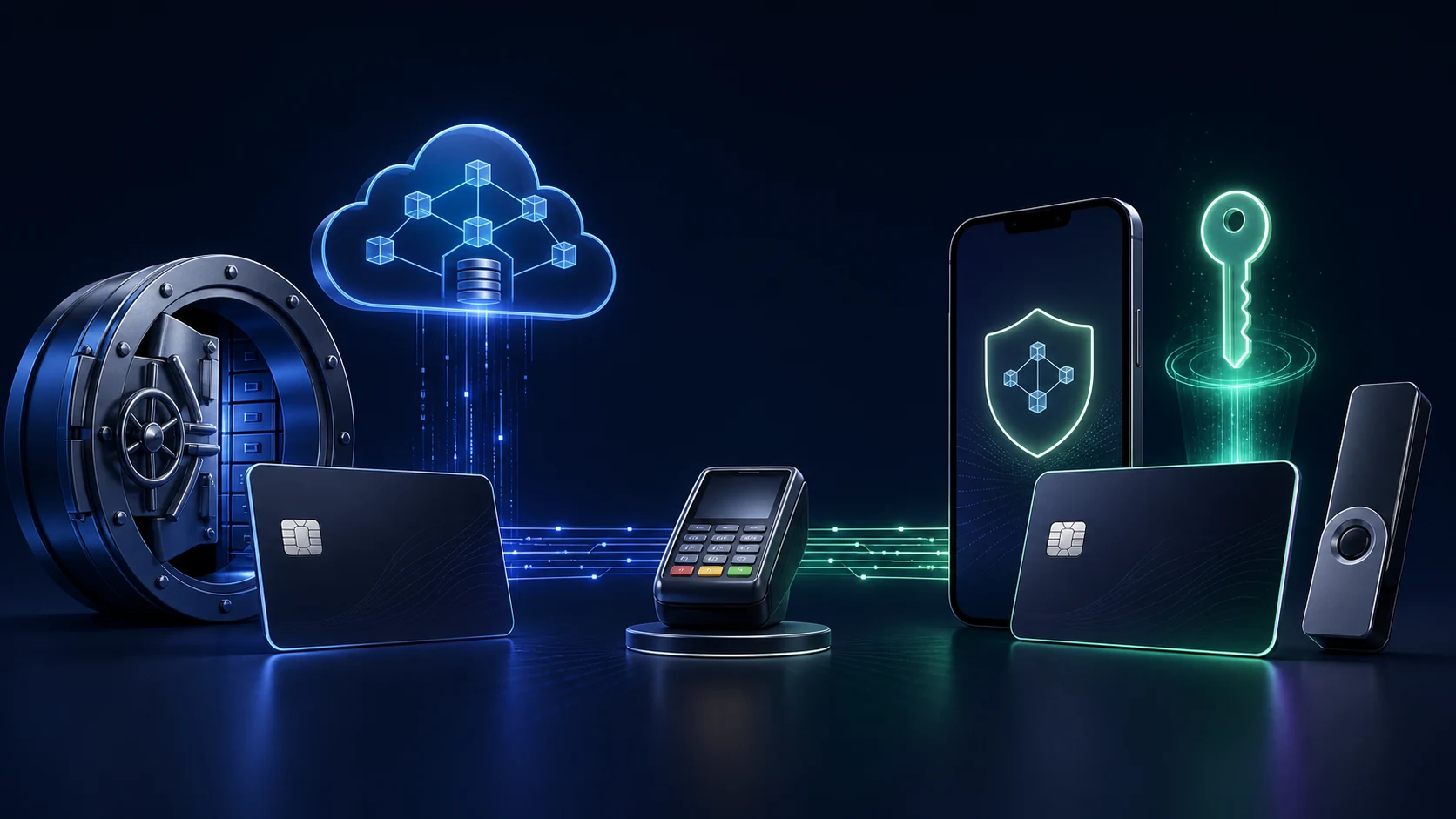
Custodial and non-custodial crypto cards: what is the difference?
We compare control of keys, custody of funds, KYC, freezes and the risks of the two crypto card models.
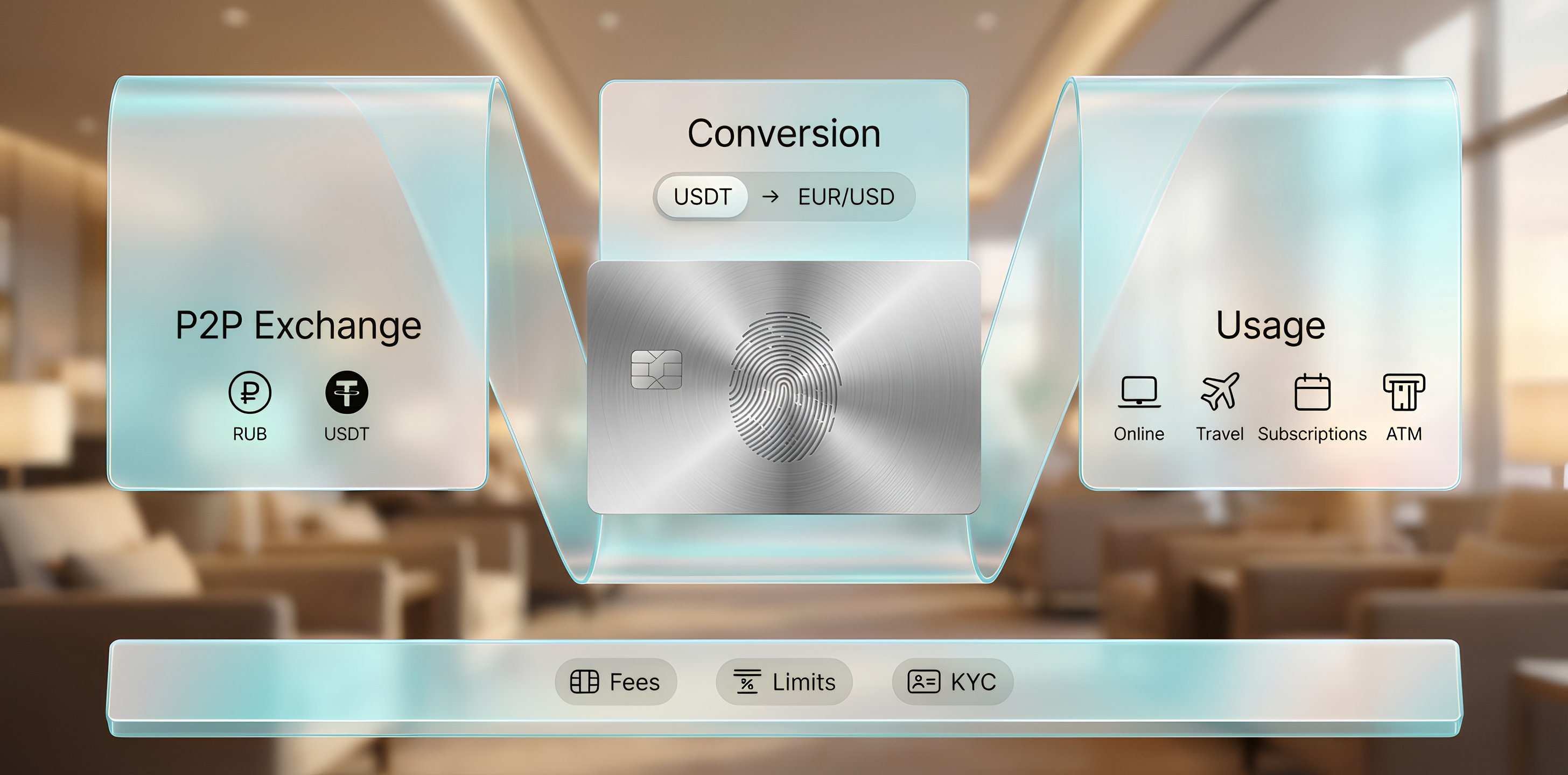
Crypto cards for Russian residents: available options and compliant workarounds
Crypto cards for Russian residents in 2026: where payments still work, how P2P fits in, fees, limits, Pay wallets and safer alternatives.
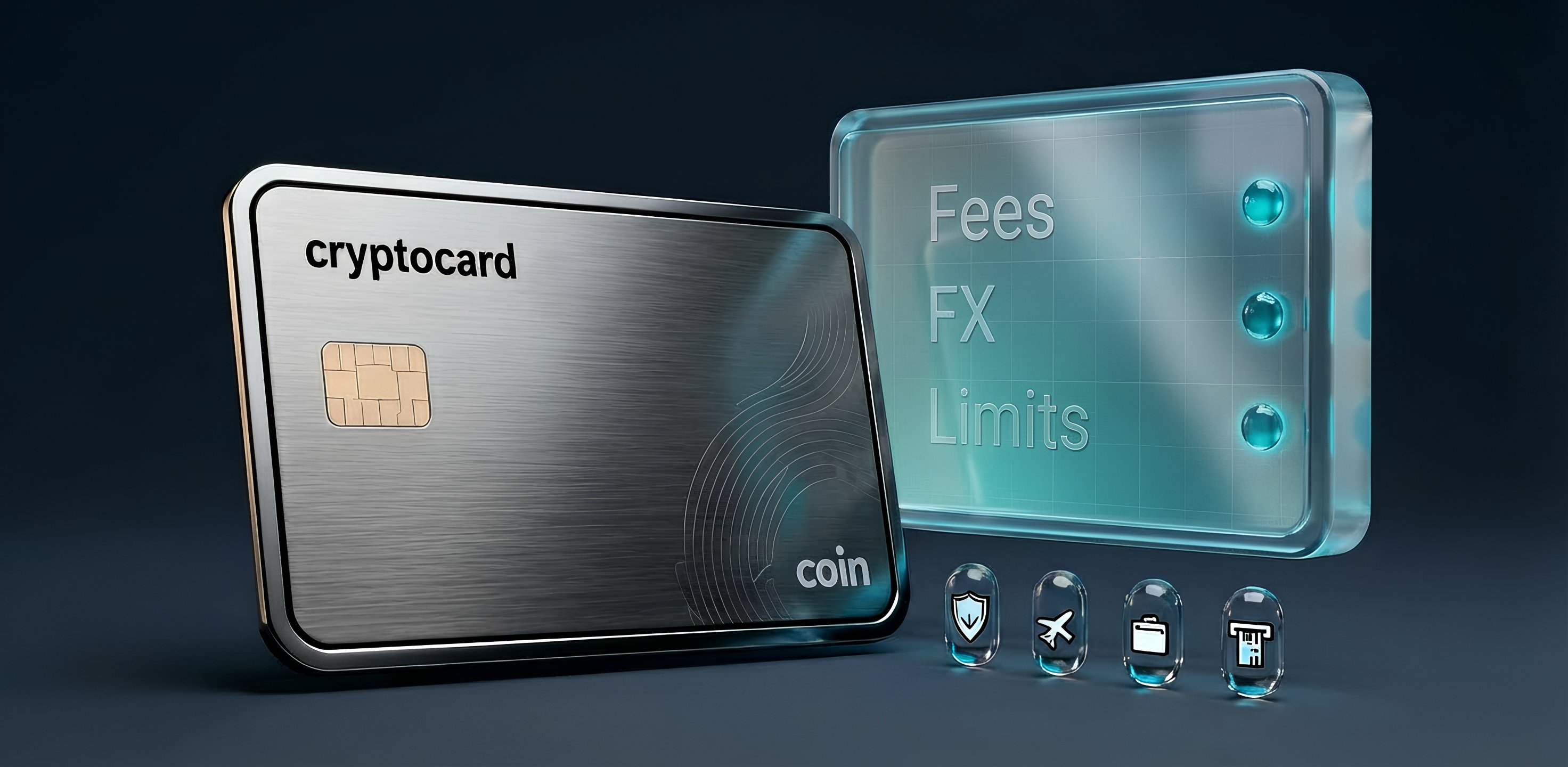
Best Crypto Cards: Comparison, Fees, and How to Choose
Crypto cards without illusions: fees, limits, SEPA/SWIFT, break-even, and a selection checklist.
What this section covers
This section brings together practical materials about crypto cards: how the market works, which conditions matter, what risks are hidden in the details and how to compare products without relying on advertising claims.
- key concepts, terminology and product mechanics
- risk checks before using a platform or protocol
- practical comparisons, warning signs and decision checklists
Using a crypto card for everyday spending
Fund the card through its linked wallet or account, then choose whether purchases should draw from a fiat balance, a stablecoin balance, or an automatically converted crypto asset. Before paying, check the conversion spread, top-up method, daily limits, supported payment network, and whether rewards are paid in a token whose value can fluctuate.
Useful guides
For a deeper route through this topic, start with Best Crypto Cards: Comparison, Fees, and How to Choose, crypto cards.
Frequently asked questions
What should I compare when choosing a crypto card?
Compare the total cost of spending, not just the advertised card fee. Issuance and monthly charges, foreign-exchange markups, ATM fees, crypto liquidation spreads, cashback caps, geographic availability, custody arrangements, and tax reporting can make two apparently similar cards behave very differently in practice.
Does a crypto card let me spend cryptocurrency directly?
Sometimes, but many cards convert crypto into fiat at the moment of purchase and settle with the merchant through Visa or Mastercard. That conversion may be a taxable disposal and can include a spread, so confirm the transaction flow and local tax treatment before using the card regularly.