Token Sales
Coverage of early-stage token sales, including launch models, token distribution, pre-listing risks, and project mechanics
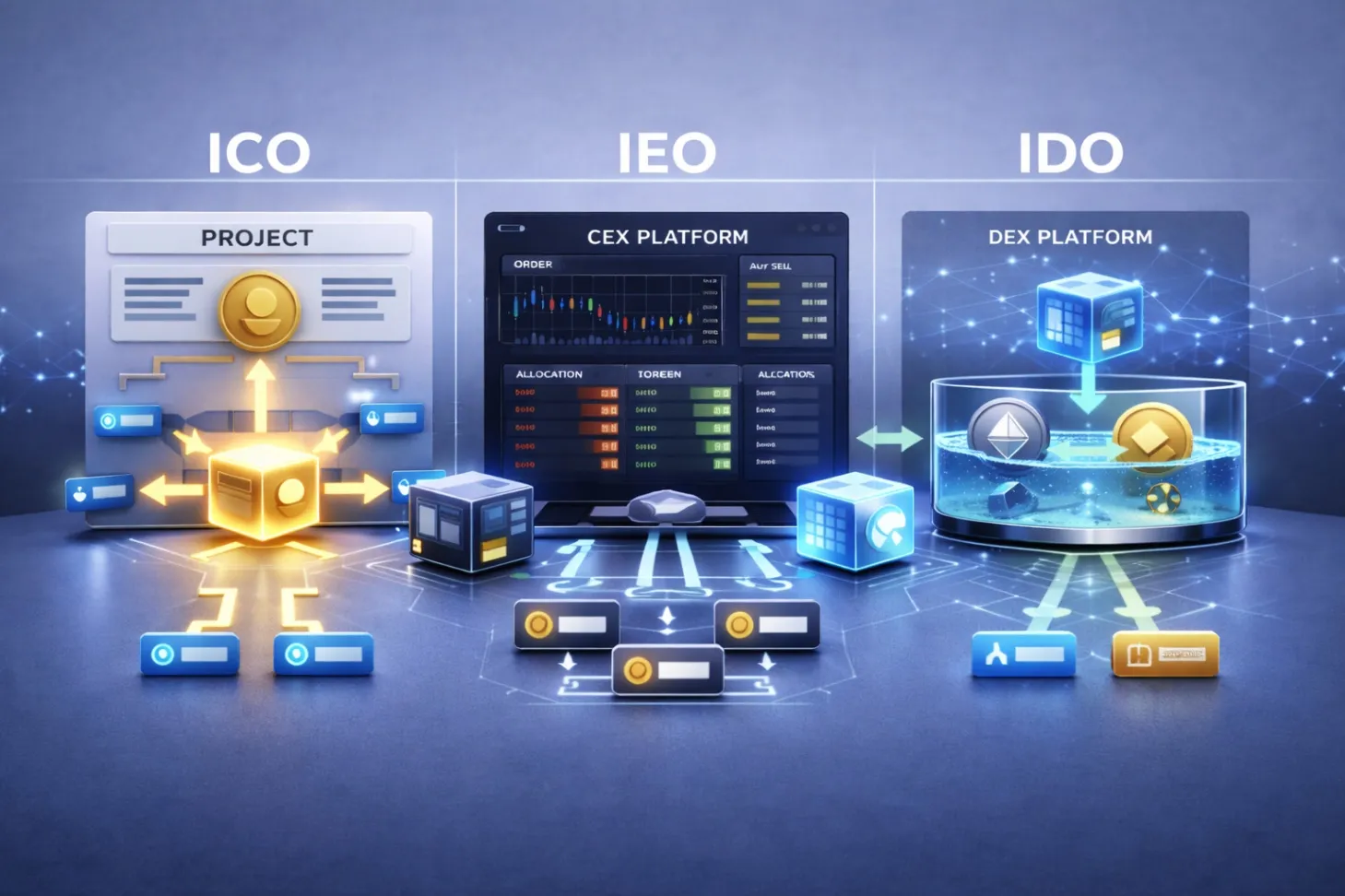
IDO, IEO and ICO in simple terms: how token sale formats differ
A short explanation of how ICO, IEO and IDO differ by transaction operator, sale venue and new token launch model
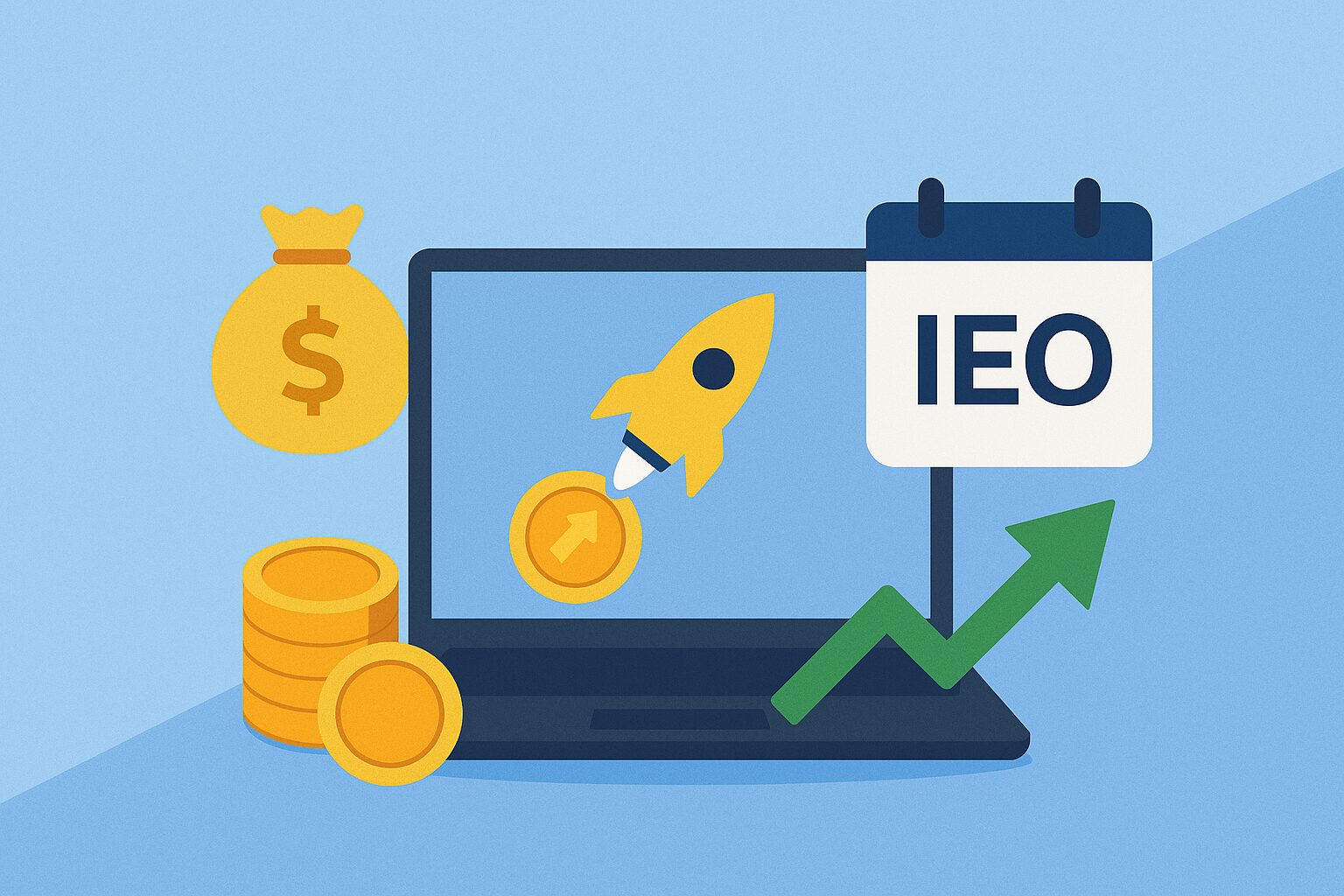
Launchpads & IEO/IDO Platforms — How to Participate, Manage Risk, and Choose the Best
Discover the top IEO and IDO launchpads ranked by transparency, liquidity, and ROI potential. Compare platforms, understand risks, and learn how to join token sales safely

Legion.cc — A Merit-Based Launchpad for Fair Token Sales
Explore Legion.cc, the on-chain launchpad with Legion Score — fairer token sales with reputation filters.
Also in this category
Related articles you might find interesting
Why Token Sales Are Unprofitable: Tokenomics, FDV, and Vesting Explained Through Real Examples
Why new tokens often fall after TGE and how to spot supply pressure in advance
TradingHow to Read Token Sale Terms and Spot the Real Risks
What token sale terms leave unsaid and where the real risks are hidden
TradingWhat this section covers
This section brings together practical materials about token sales: how the market works, which conditions matter, what risks are hidden in the details and how to compare products without relying on advertising claims.
- key concepts, terminology and product mechanics
- risk checks before using a platform or protocol
- practical comparisons, warning signs and decision checklists
Reviewing a token sale before committing funds
Confirm the official sale channel, eligible jurisdictions, payment asset, contract address, valuation, vesting schedule, and claim process from multiple project-controlled sources. Research the team and legal terms, use a dedicated wallet, set a strict allocation limit, and ignore unsolicited messages offering private access or support.
Useful guides
For a deeper route through this topic, start with token sales, How to Read Token Sale Terms and Spot the Real Risks, token sales, token sales.
Frequently asked questions
Which terms are decisive when comparing token sales?
Compare fully diluted valuation, circulating supply at launch, investor and team unlocks, use of proceeds, token utility, governance rights, sale caps, refund terms, market-maker arrangements, audits, and the path to liquidity. A low sale price is not automatically attractive when supply is large or earlier buyers received substantially better terms.
Does joining a token sale guarantee tokens will be tradable?
No. Listings may be delayed or never occur, claims can be restricted by vesting or eligibility checks, and available markets may have shallow liquidity. Even after launch, price discovery can be volatile and concentrated holders may sell, so participation should not depend on an assumed immediate exit.