Cryptocurrencies
Content focused on cryptocurrencies as an asset class, covering market structure, token types, market cycles, and price drivers

Telegram NFT marketplace ranking: where to buy gifts, usernames and TON NFTs
A practical comparison of Telegram Gift Marketplace, Fragment, Getgems, Portals, Tonnel and P2P deals for buying Telegram Gifts, usernames and TON NFTs.

Why Price Can Fall Without Selling: How Market Mechanics Work
Market mechanics explain how quotes can decline on low trading volume: the order book, liquidity, spread, index price, derivatives, and distributed price formation in crypto markets
Top AirDrop hunter mistakes: why allocations get cut and accounts get banned
Anti-Sybil filters, common farmer mistakes, and practical ways to protect allocations and rewards

Crypto volatility: what it means and how traders can use it

Why Trustpilot has more negative reviews than TradingView
The difference is shaped by where the user event is recorded, not by a subjective rating of the service

Crypto Taxes in Germany: How Private Investors Can Avoid Overpaying and Compliance Mistakes
Holding periods, tax exemptions and the key rules for crypto investors in Germany

How blockchain works: a simple explanation of the technology
A clear guide to blocks, transactions, confirmations, consensus, fees, finality, security and real blockchain use cases.

What is cryptocurrency and how it works without a central operator
Cryptocurrency as records in a distributed ledger: keys, transactions and transfer confirmation without a central operator

Why good news does not lift the price, and bad news does not make it fall
Market mechanics explain why price does not have to react to news: expectations, liquidity and order-book structure
How to read the market without indicators
Most traders lose money not because of market movement itself, but because they misread what price is doing
Why the crypto market falls differently from the stock market
We break down why cryptocurrency declines look sharper and faster than stock-market drops, and why classic equity-market logic does not work here
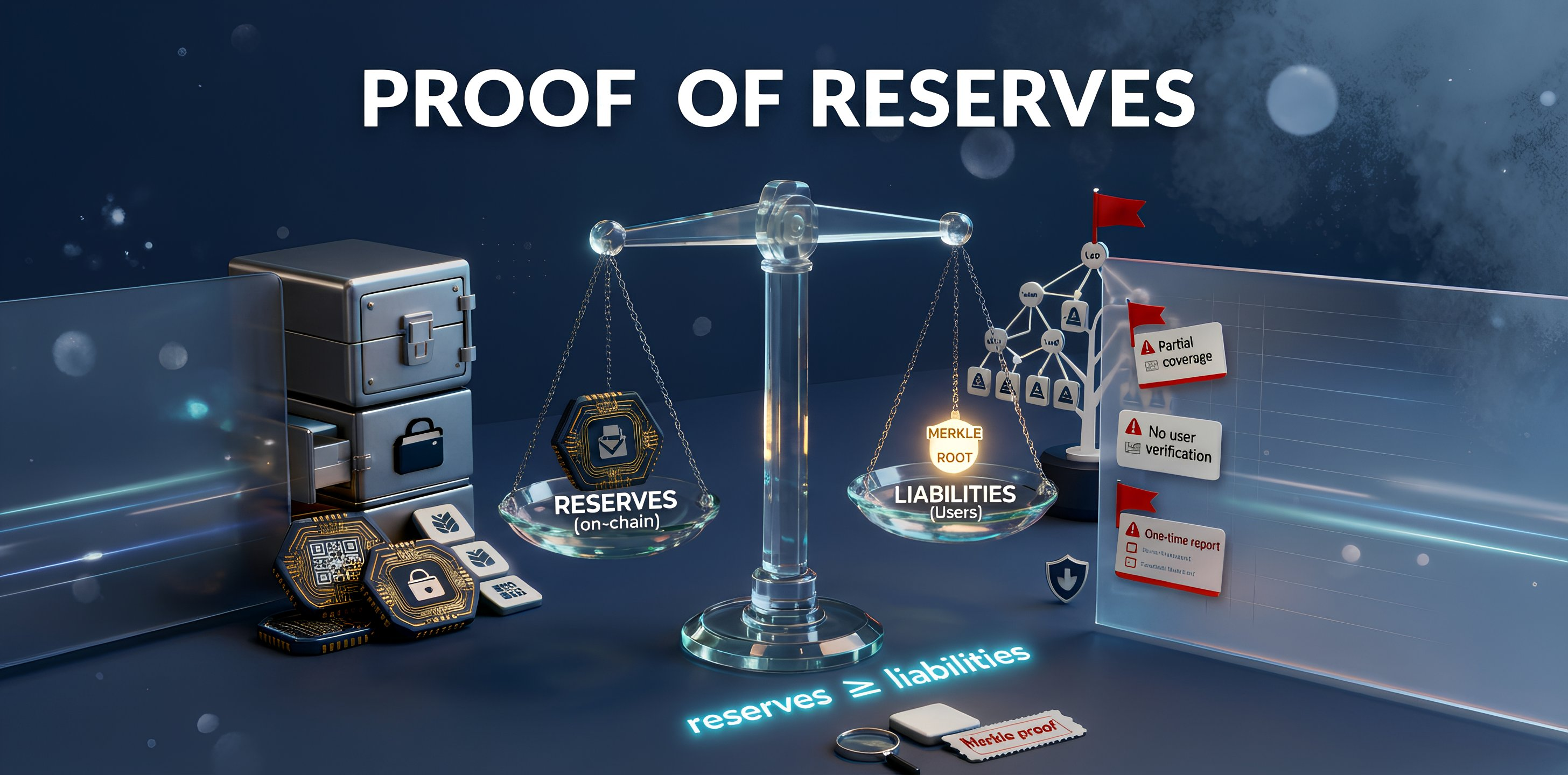
Proof of Reserves (PoR): how to read reports and verify reserves, liabilities and red flags
A 5-minute PoR check: liabilities, Merkle proof, methodology and a quick report-quality filter

What is cryptocurrency: a simple explanation for beginners
A clear guide to how digital money works, what cryptocurrency is based on, and why it became an alternative to the traditional financial system
Token vesting and unlocks: how unlocks pressure price and liquidity
How to read an unlock schedule, measure supply pressure and assess price and liquidity risk.
FDV and circulating market cap: why FDV can mislead
How to value new tokens correctly: free float, unlocks, liquidity and metrics instead of relying on FDV.
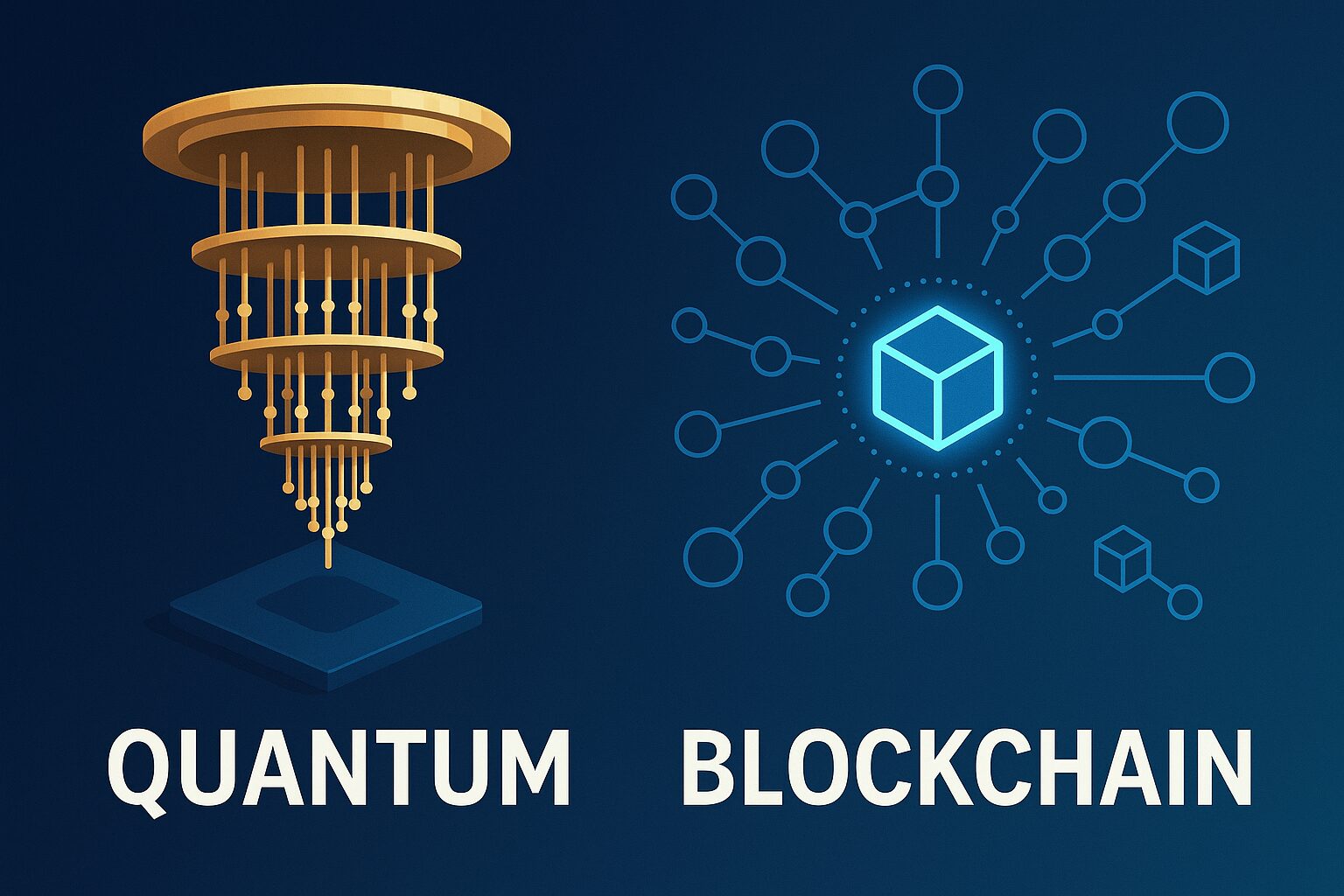
Quantum-resistant cryptocurrencies: how networks are preparing for the quantum era
Best suited for new networks ready to trade some convenience for readiness from day one.

Crypto Games on Telegram: Top Apps and Bots to Earn Cryptocurrency
Learn how Telegram crypto games work, the key mechanics, realistic earning paths, and the top bots to try. Tips on payouts, safety, TON wallets, and common pitfalls.
Hashrate Rental: How It Works & Best Services
Learn how hashrate rental works, key risks and costs, and compare trusted platforms to pick the right service for short-term tests or active strategies.
Best Cloud Mining Services: Profitable & Trusted Platforms
Compare leading cloud mining platforms: profitability, contract terms, fees, payout rules, and trust signals. Learn how cloud mining works and how to choose a safe, reliable provider.
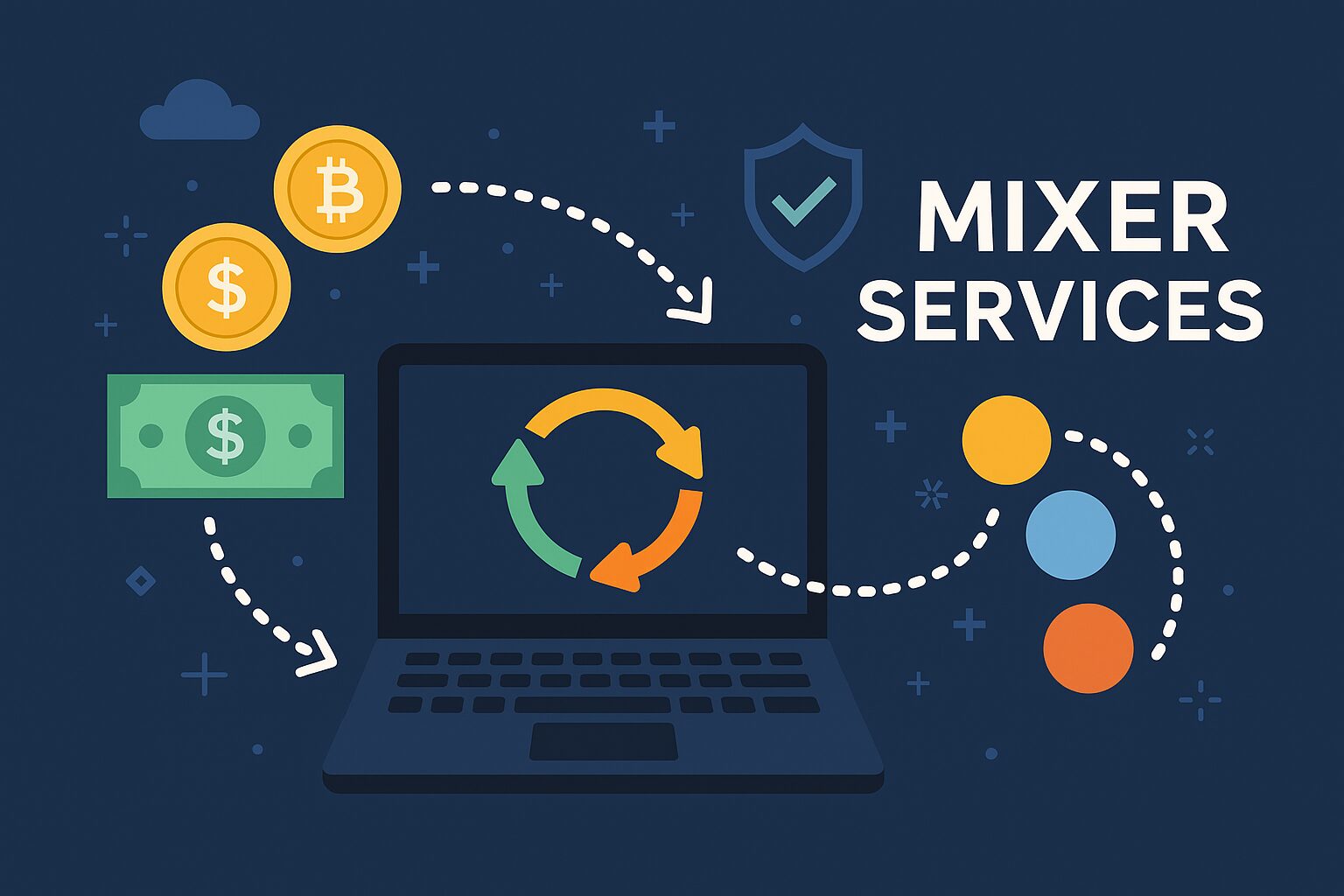
Crypto Mixers Explained: Tornado Cash, CoinJoin, and the Privacy Debate
Learn what crypto mixers are, how Tornado Cash and CoinJoin work, their legal status in the US and EU, key cases, compliance risks, and alternatives like privacy coins and ZK solutions.
What this section covers
This section brings together practical materials about cryptocurrencies: how the market works, which conditions matter, what risks are hidden in the details and how to compare products without relying on advertising claims.
- key concepts, terminology and product mechanics
- risk checks before using a platform or protocol
- practical comparisons, warning signs and decision checklists
Researching a cryptocurrency before buying it
Read the project's documentation and verify what the asset actually does, how supply enters circulation, who controls upgrades, and where liquidity comes from. Check contract addresses through official sources, use the correct blockchain, size the position conservatively, and record the purchase price and fees for tax and performance tracking.
Useful guides
For a deeper route through this topic, start with What Is Cryptocurrency and How Does It Work Without a Central Operator, How blockchain works: a simple explanation of the technology, Proof of Reserves (PoR): how to read reports and verify reserves, liabilities and red flags, Quantum-resistant cryptocurrencies: how networks are preparing for the quantum era.
Frequently asked questions
How should different cryptocurrencies be evaluated?
Compare purpose, security model, decentralisation, developer activity, token distribution, issuance schedule, governance, real usage, liquidity, and regulatory exposure. Market capitalisation alone says little about holder concentration, future dilution, technical resilience, or whether demand for the network translates into demand for its token.
Is a low coin price a sign that a cryptocurrency is cheap?
No. Unit price depends on the number of tokens in circulation, so a fraction-of-a-cent token can carry a larger valuation than a coin worth thousands. Use circulating and fully diluted market capitalisation alongside fundamentals, liquidity, and supply unlocks when judging relative value.