Trading
Content focused on trading across financial markets, covering trading approaches, risk management, order execution, and price behavior
Crypto Arbitrage, xStocks and Perp DEX: How to Find Real Spreads
A practical guide to CEX, funding and perp arbitrage, tokenized stocks, and the tools used to verify liquidity, fees and execution risk.
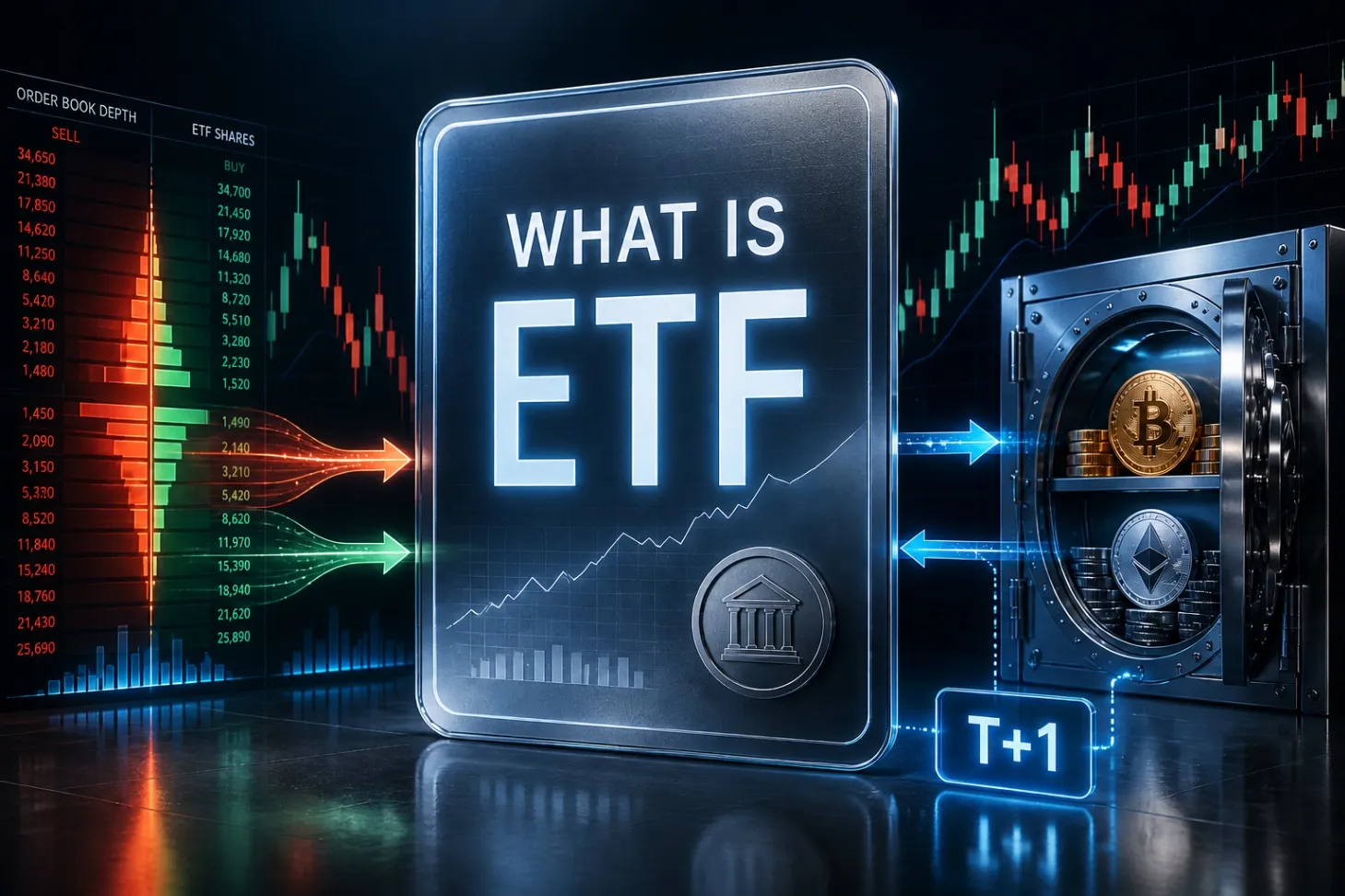
Why the price moves sharply after a crypto ETF launch
How T+1 settlement, ETF share turnover and collateral operations create price jumps

Slippage by parts: what it is really made of
The market mechanics behind the actual execution price of a trade
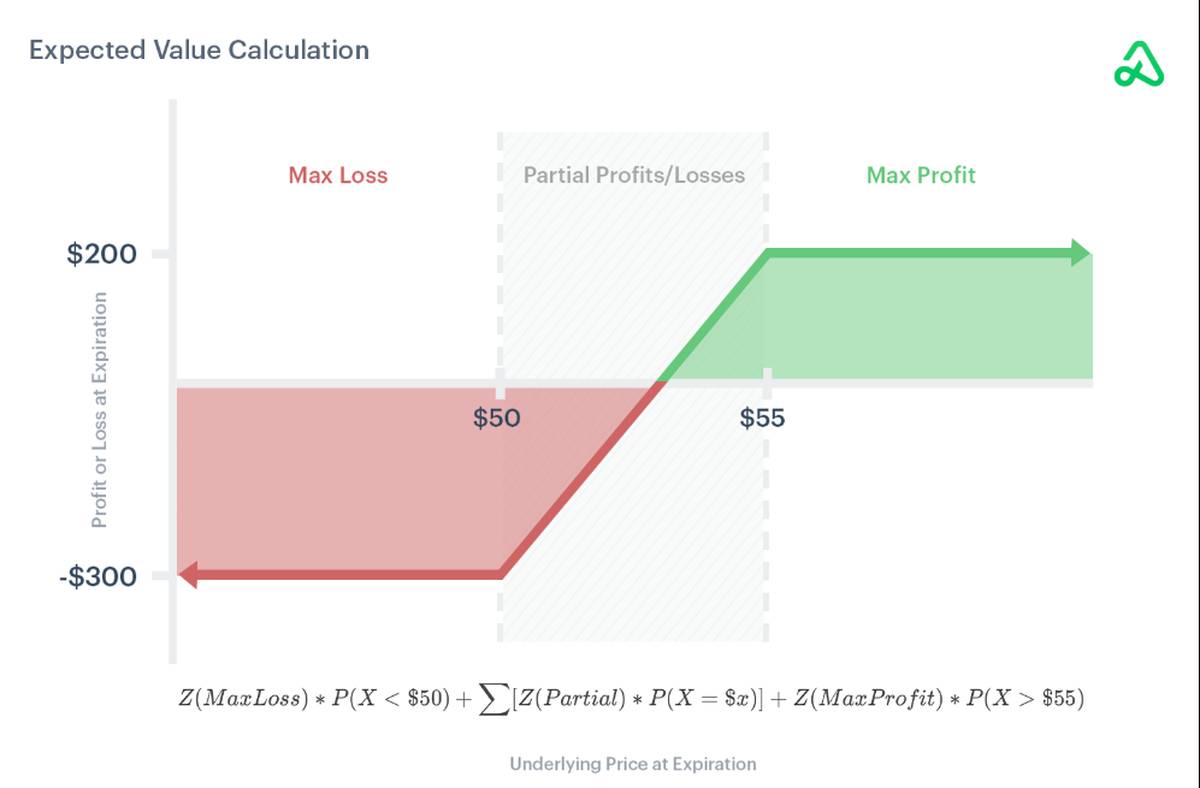
Why probabilities matter in trading, not individual trades
A practical guide to thinking in series: expectancy, drawdown and risk matter more than the result of one trade

Market makers without myths: algorithms, volume, and spread control
Why order book depth disappears when it’s needed most
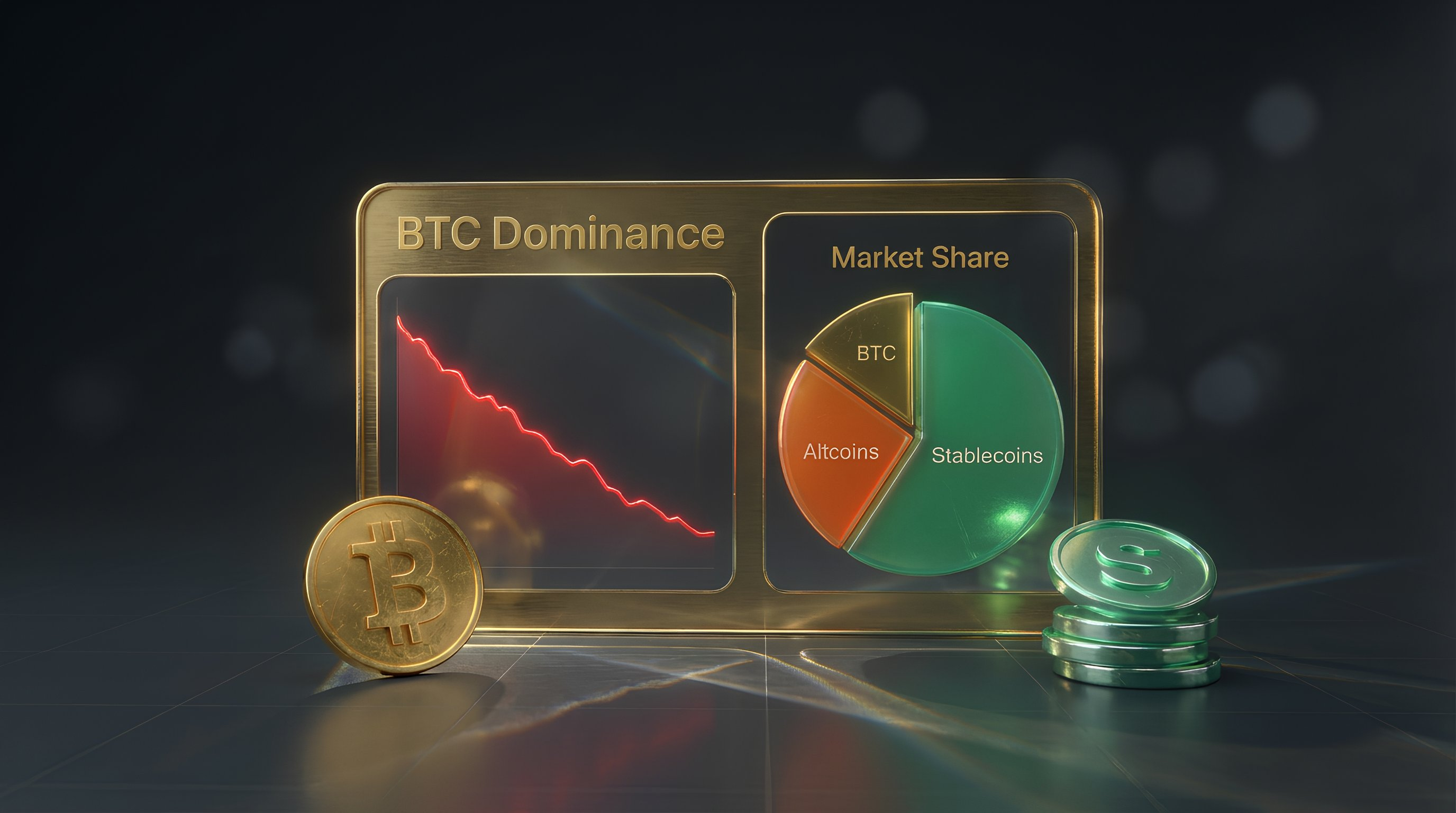
How to Check for Altseason After a BTC.D Drop
A BTC.D drop is a cue to check Total3 and ALT/BTC, not a ready-made signal of an alt rally.
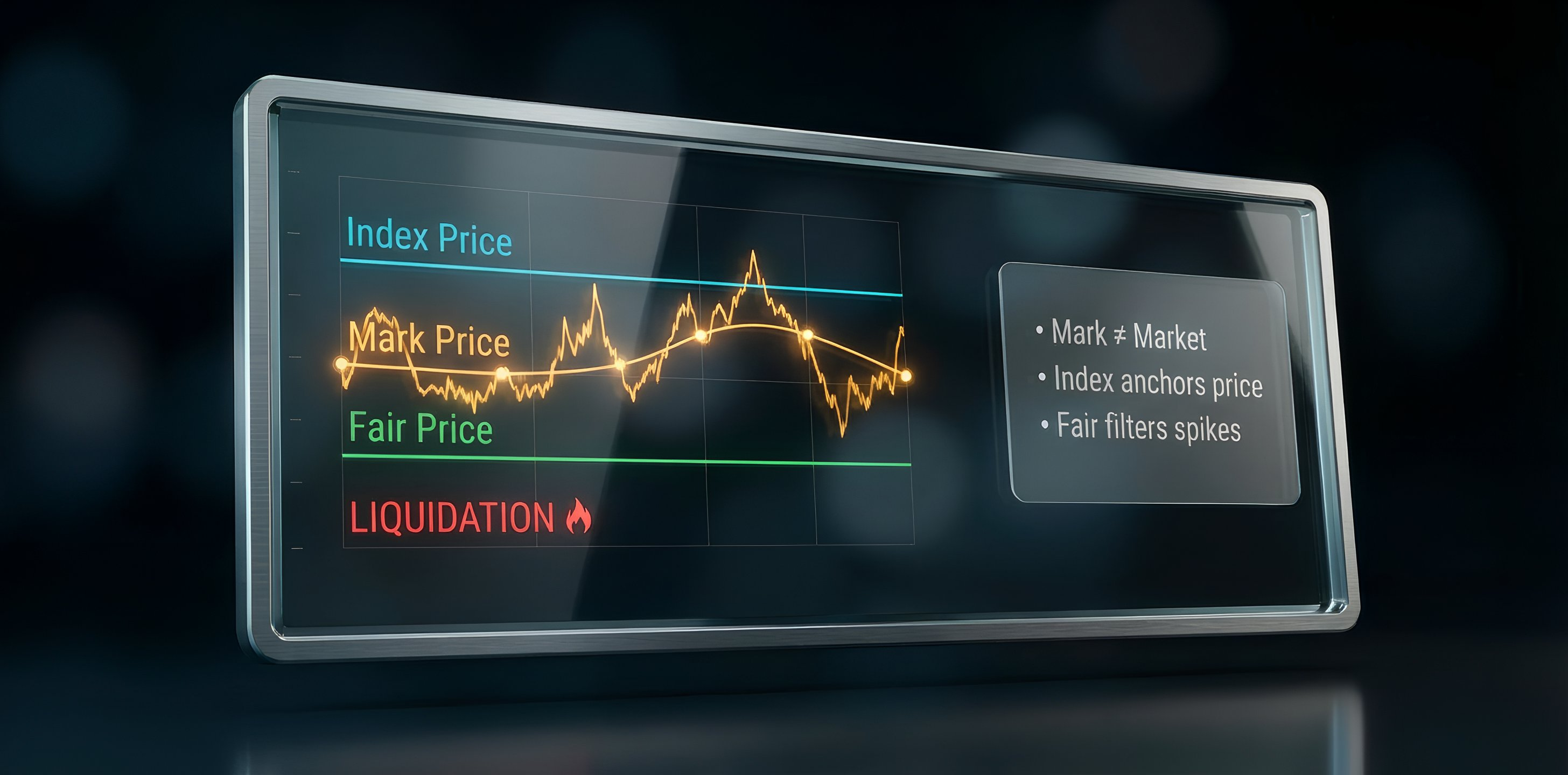
Why Liquidation Doesn’t Match the Chart Price
How reference prices replace the last trade in liquidation
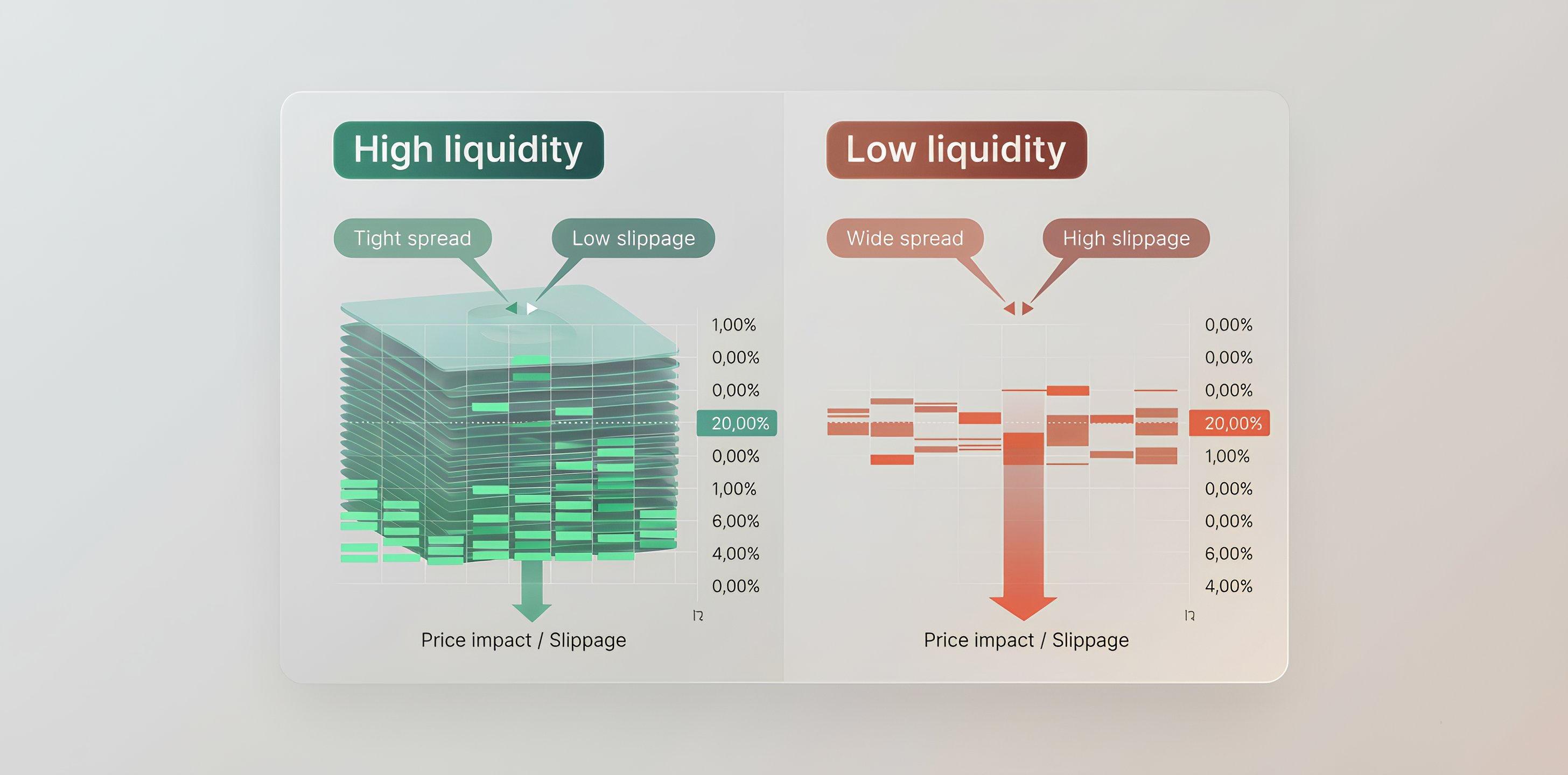
Market liquidity: what this term means
Liquidity definition, its sources, and concept limits—no practical algorithms
Futures liquidation deficit: what happens in a price gap
A shortfall in settlement appears when a liquidation executes worse than the bankruptcy price.

Why news doesn’t break the nearest order book levels
Price stays in a range if the first market orders fit into the depth at the best bid/ask
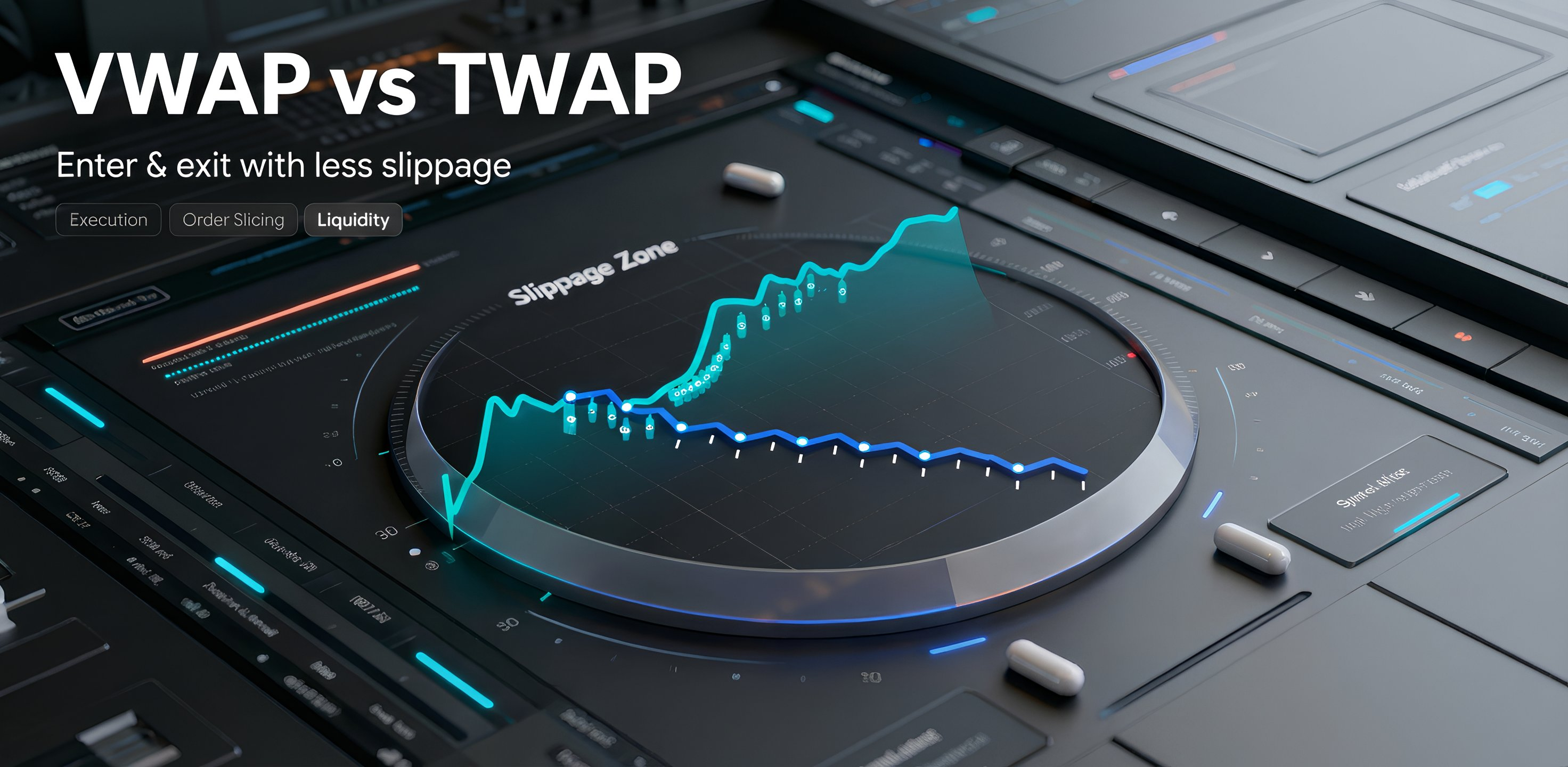
How to set up VWAP and TWAP so slices don’t go deeper into the order book
Quick pre-run check: set slice size and a limit so the order doesn’t move deeper into the order book
How to set up VWAP and TWAP so the order does not move deeper into the order book
VWAP/TWAP order book setup: slice size, interval, and limit price without excessive depth pressure
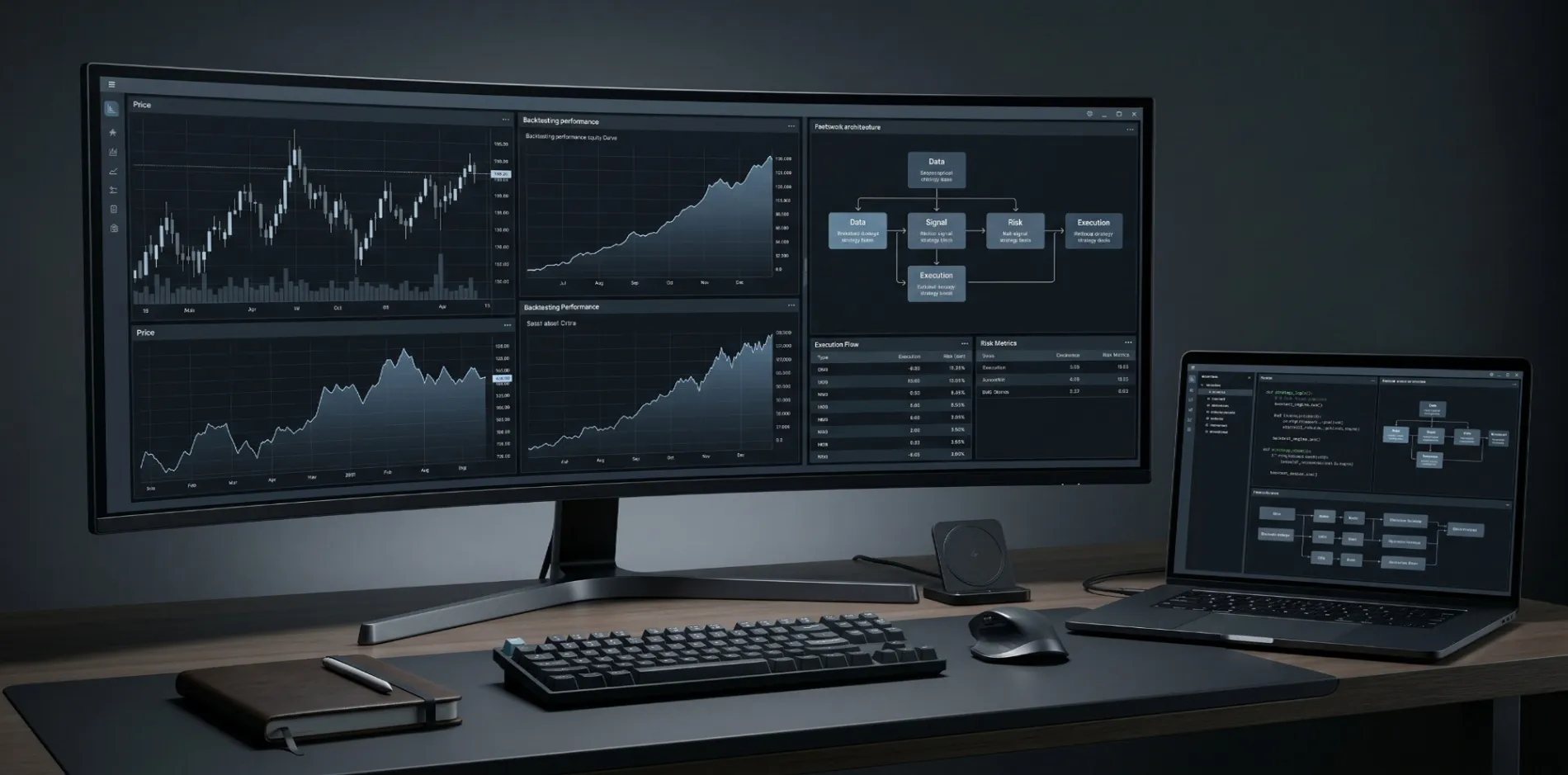
Frameworks for Algorithmic Trading: Where to Start When Building a First Strategy
A practical guide to choosing a framework and launching a first algorithmic trading strategy
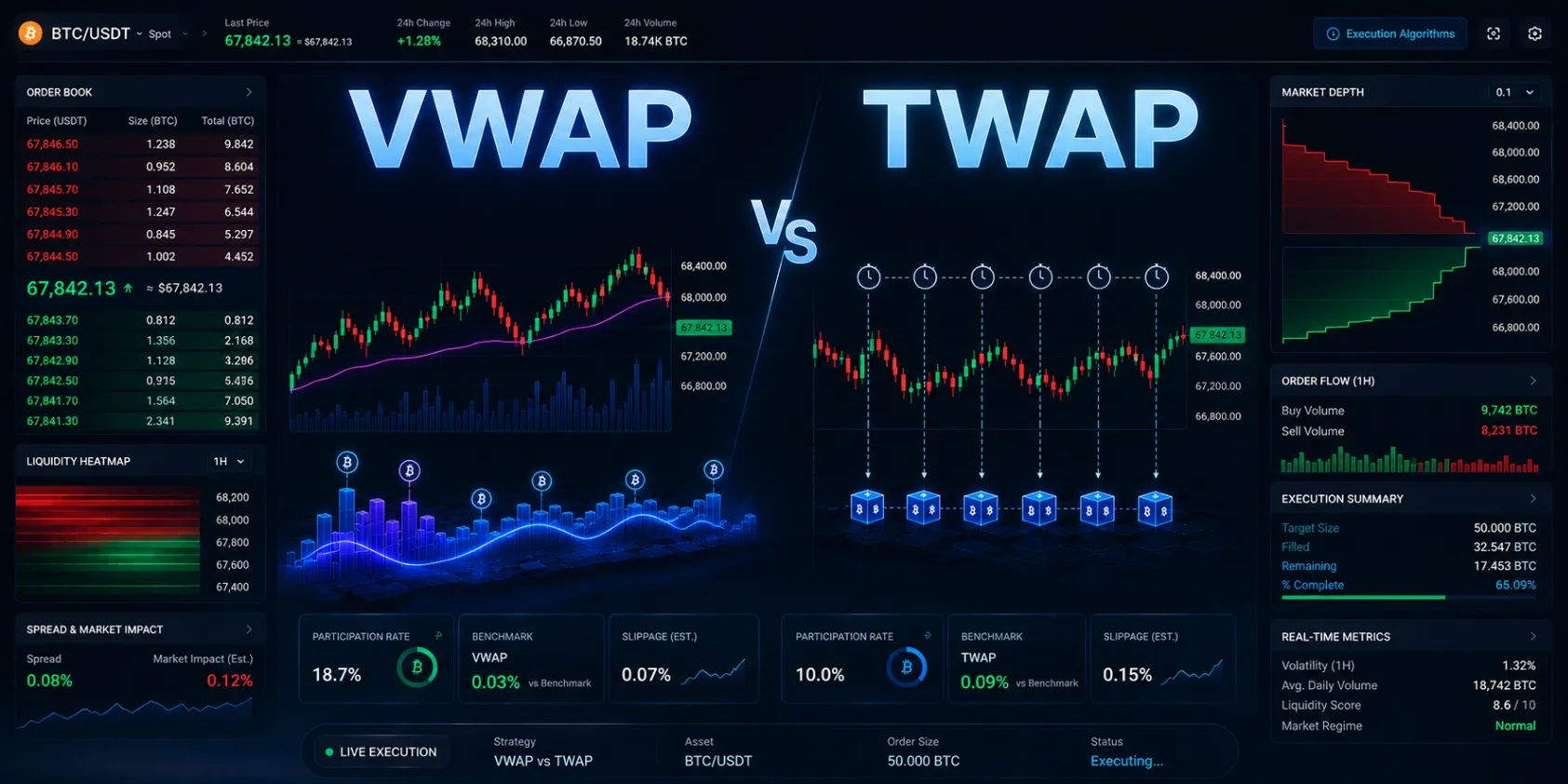
VWAP and TWAP in trading: how to execute large orders without unnecessary slippage
VWAP and TWAP help execute large orders without moving price or revealing intent early

Open interest in crypto: how to read the market, not illusions
How open interest tracks contract count and liquidation risk when leverage is used
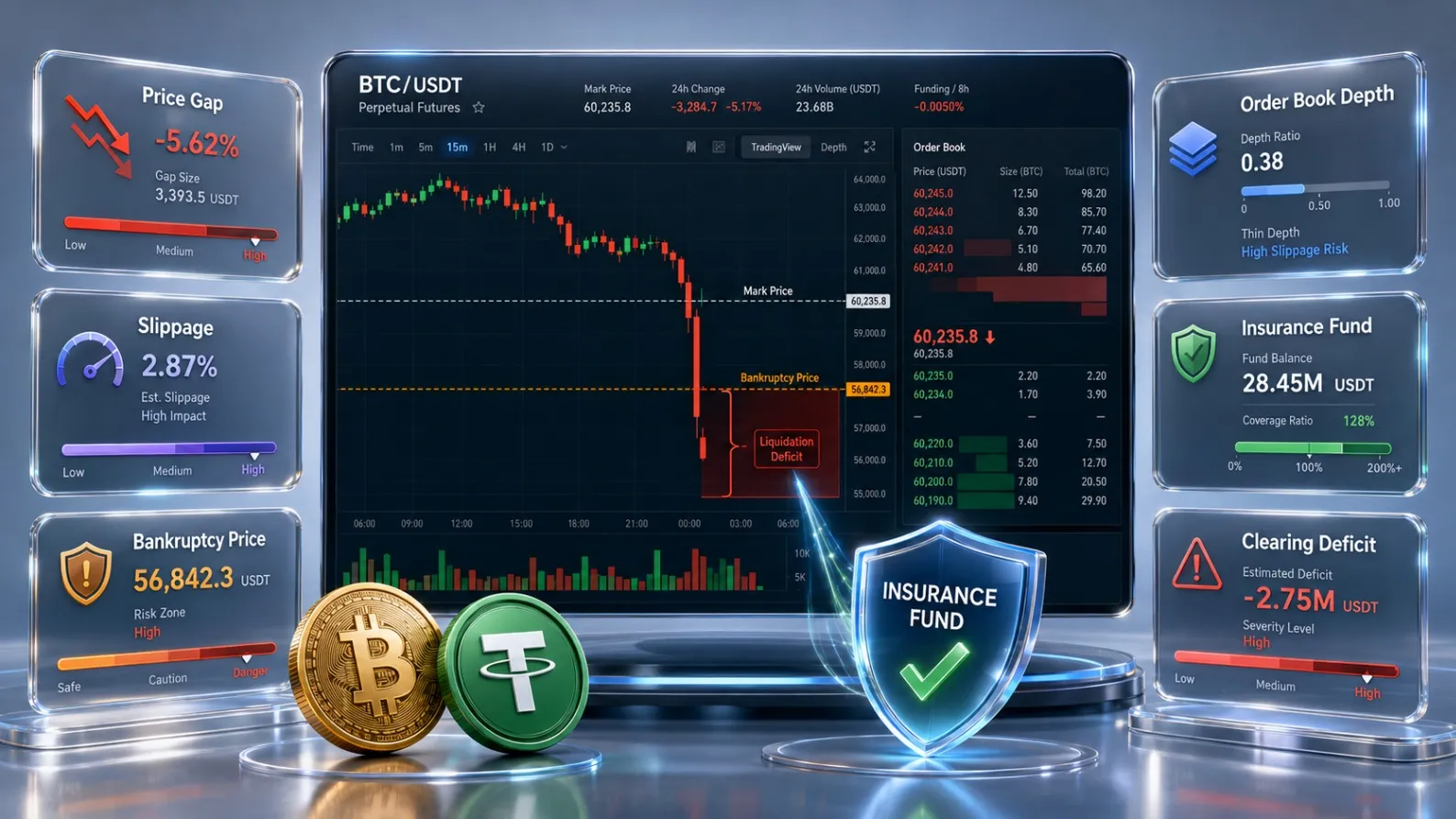
Liquidation deficit in futures: why execution moves below the bankruptcy price
A negative balance appears when liquidation executes below the bankruptcy price because of gaps and slippage

Quant Trader: Who They Are, What They Do, and How to Become One
A complete breakdown of a profession that combines mathematics, programming, and algorithmic trading
Why liquidation does not match the chart price
How a calculated risk price replaces the last trade in the liquidation trigger
Why a drop in BTC dominance does not confirm altseason on its own
BTC share can fall through stablecoins, narrow growth, or Bitcoin weakness, not broad altcoin demand
Market liquidity: what this term means
Explaining liquidity through spread, slippage, order books, and DeFi pools
Also in this category
Related articles you might find interesting
What this section covers
This section brings together practical materials about trading: how the market works, which conditions matter, what risks are hidden in the details and how to compare products without relying on advertising claims.
- key concepts, terminology and product mechanics
- risk checks before using a platform or protocol
- practical comparisons, warning signs and decision checklists
Building a repeatable trading process
Define the market, setup, entry condition, invalidation level, position size, and exit rules before risking capital. Use limit, stop, and market orders deliberately, include fees and slippage in every calculation, keep a trading journal, and review a meaningful sample of results before increasing size.
Useful guides
For a deeper route through this topic, start with How to start trading on a crypto exchange: a mistake-free start in 10 minutes, Slippage by parts: what it is really made of, Why stop-loss orders execute worse than expected, BTC dominance: how to read Bitcoin dominance without false signals.
Frequently asked questions
How should trading platforms and markets be compared?
Assess regulation, custody, liquidity, spread, commissions, execution speed, slippage, order types, market data, uptime, leverage rules, and withdrawal reliability. The best venue depends on the instruments and holding period involved: deep spot liquidity, reliable derivatives risk controls, and low-frequency investing each place different demands on a platform.
What matters more in trading: win rate or risk management?
Neither win rate nor any single statistic is enough. Long-run results depend on expectancy: average gains, average losses, win frequency, costs, and position sizing together; a strategy can be profitable with many small losses, while a high win rate can hide occasional losses large enough to erase months of gains.