Forex
Content covering the Forex market, currency pairs, macroeconomic drivers, liquidity, and currency market mechanics

Market impulses (spikes): why sharp bursts matter more than the trend and how traders should read them
How to read price spikes through liquidity, volume, candle close, retest and execution risk instead of chasing the move.

Forex copy trading: how to choose traders consciously and control risk
A practical guide to copy trading in the Forex market, focused on risk and trader selection
TradingView Review: Charts, Indicators, Alerts, and Pricing
Discover TradingView, the leading platform for charts, indicators, Pine Script, and trading alerts. Learn about its features, pricing plans, discounts, pros & cons, and how it helps traders analyze markets.
High-Frequency Trading (HFT): Mechanics, Strategies, Risks and Lessons for Retail Investors
Discover what high-frequency trading (HFT) is, how algorithms execute thousands of trades in microseconds, the main strategies, risks, and what lessons retail investors can adopt from the methodology.

Automated Forex Strategies: Types, Setup, Risk & Testing
Beginner-friendly guide to automated Forex strategies—rule-based EAs, ML, breakout and mean-reversion. Quick start, backtesting, risk management, and platform comparison.
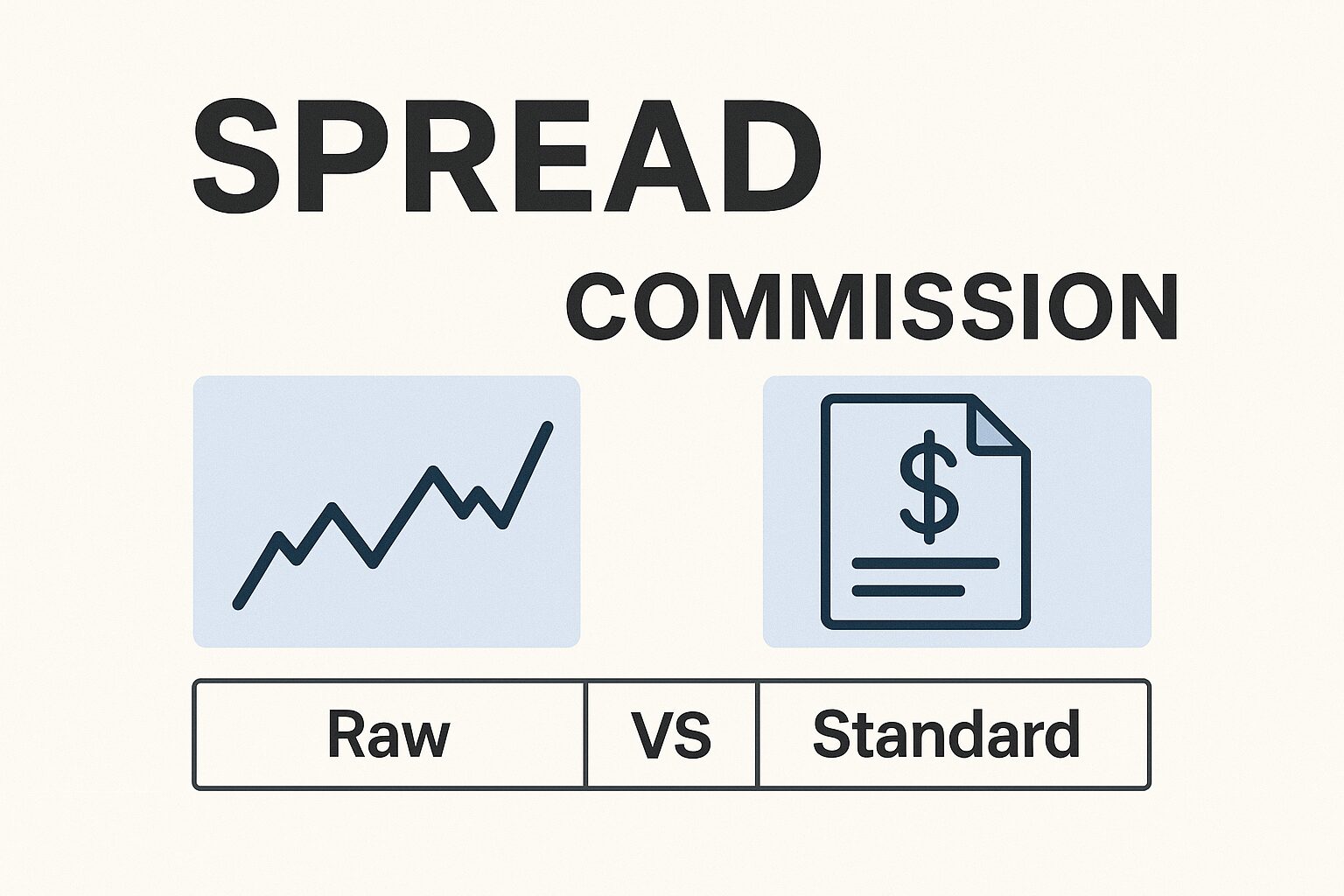
Forex Accounts: Standard vs Raw/ECN — Full Cost Comparison
Discover the true cost of Forex trading: compare Standard and Raw/ECN accounts side by side. Learn how spreads, commissions and “all-in” fees affect your strategy, with formulas, examples and a clear checklist.
Forex Swap Explained: Formula, Examples and Triple Swap
Learn what a Forex swap is, how it’s calculated, and how triple swaps work. Clear formulas, examples of positive and negative swaps, comparison with spread, commission and margin, plus practical tips for traders.
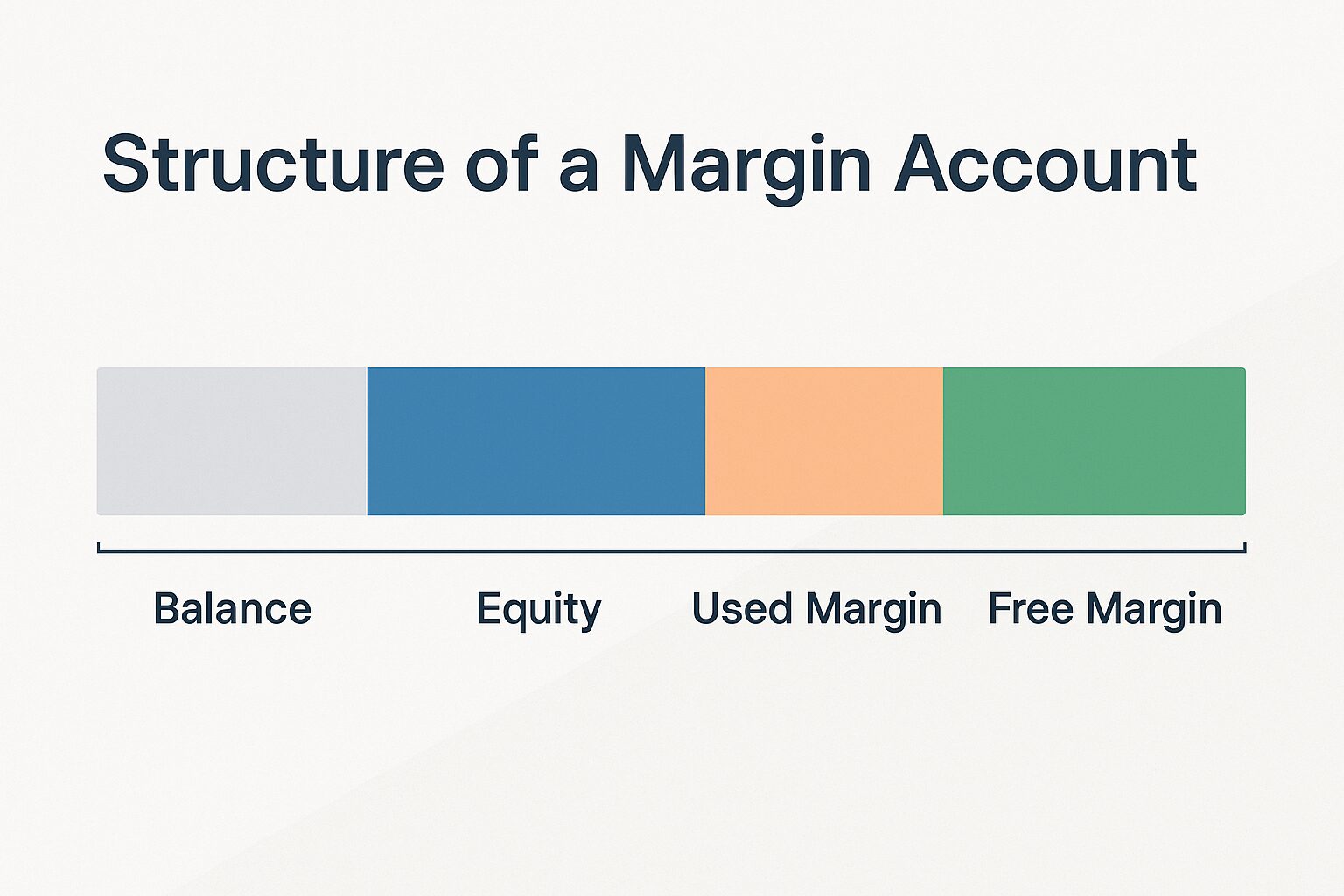
Leverage and Risk Management in Forex Trading
Learn how Forex leverage works, how to calculate margin, avoid margin calls, and apply risk management to protect your capital.
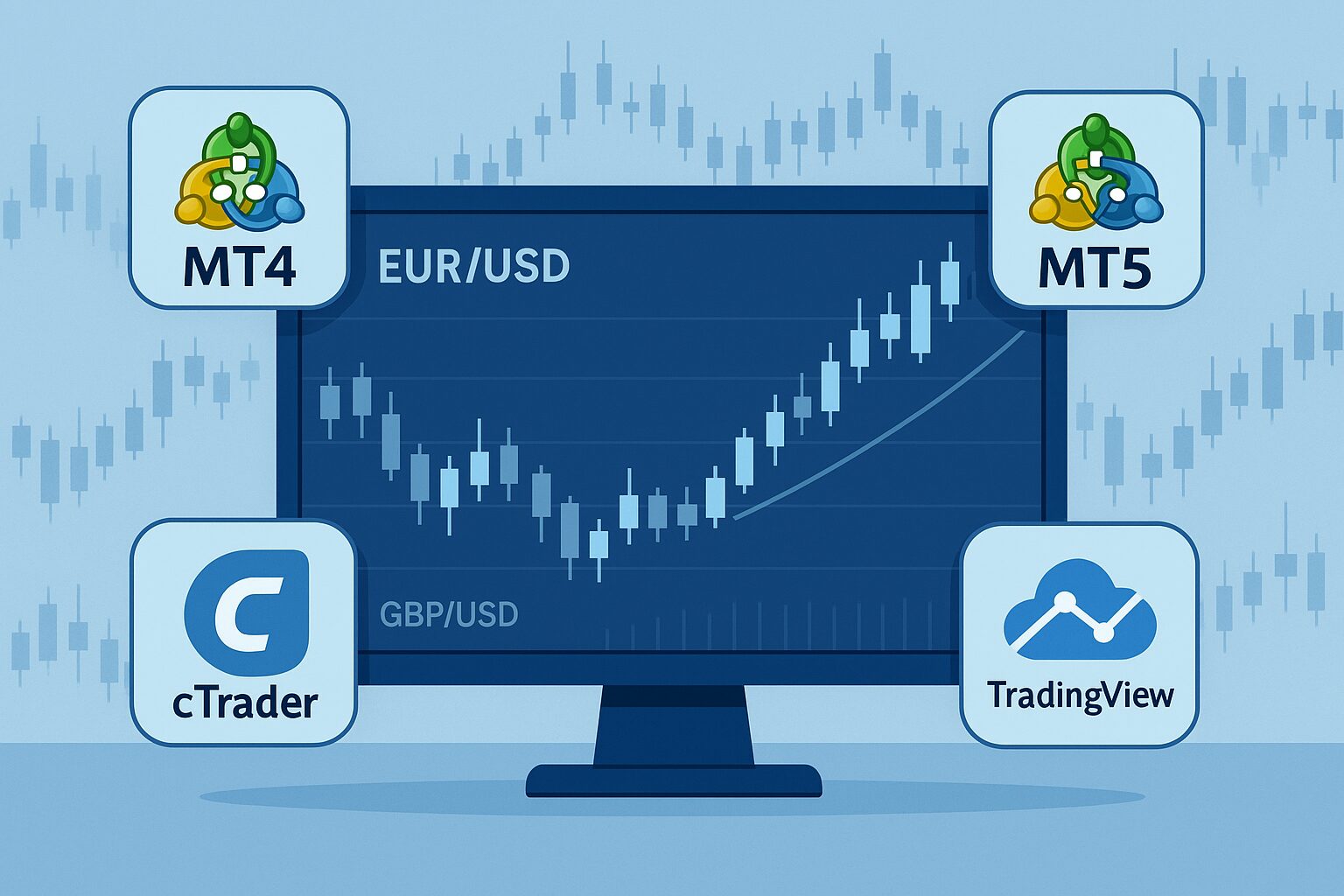
Best Forex Trading Platforms: MT4, MT5, cTrader, TradingView
Explore the top Forex platforms MT4, MT5, cTrader and TradingView. Learn which suits scalping, swing, algo or manual trading, compare pros and cons, and see real trader ratings.
Backtesting Forex Strategies in MT4, MT5 and cTrader
Learn how to backtest Forex strategies in MT4, MT5 and cTrader: tick accuracy, modeling modes, Walk-Forward analysis, Monte Carlo validation, execution modeling, portfolio testing, and key metrics for robust results.

Expert Advisors (EAs) and Algorithms: When Automation Makes Sense in Forex
Discover what Expert Advisors (EAs) and algorithmic trading on Forex are, explore types of robots (trend, scalpers, grids, martingale, news, arbitrage, AI/ML), their advantages and limitations, and learn practical tips for testing and risk control.
Islamic Forex Accounts (Swap-Free) — Sharia-Compliant Trading Without Swaps
A complete guide to Islamic Forex accounts (swap-free). Learn how swap-free accounts work, what holding fees mean, and compare global brokers by spreads, platforms, and regulation.

Forex Account Types: Standard, ECN and Islamic (Swap-Free)
Discover the key differences between Standard, ECN/raw spread, and Islamic swap-free forex accounts. Learn which type fits scalping, swing, or long-term trading, and how to calculate full trading costs (TCO).
Price Action Trading on Forex: Patterns, Scenarios and Strategies
A complete guide to Price Action trading on Forex: how to read candlestick patterns, build support/resistance zones, use Inside Bar, Fakey and Engulfing setups, manage risk and apply multi-timeframe confluence.
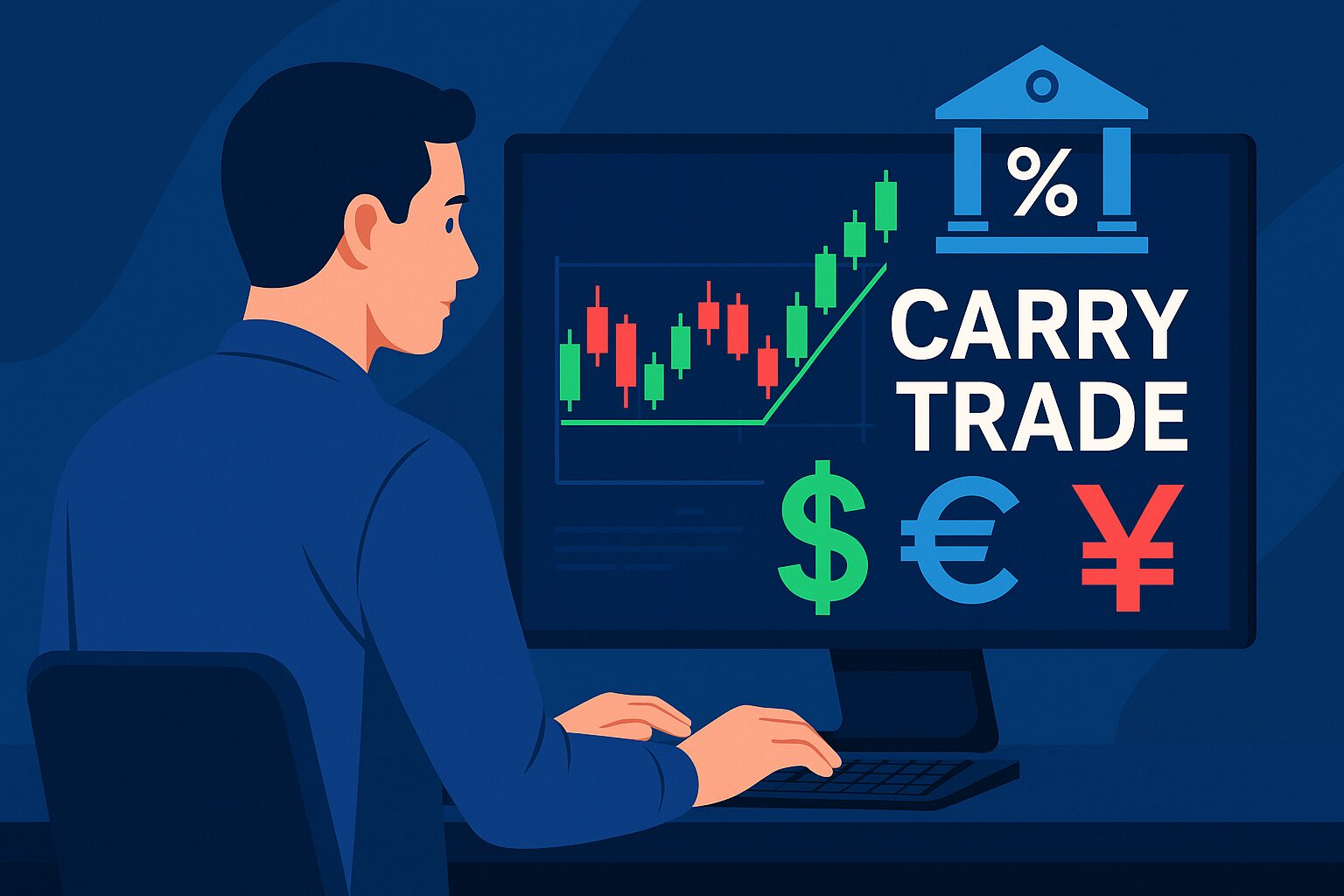
Carry Trade in Forex: Strategy, Risks, and Examples
Learn how the carry trade strategy works on Forex: earning from interest rate differentials and swaps, key risks including funding risk, and practical steps with USD/JPY examples.
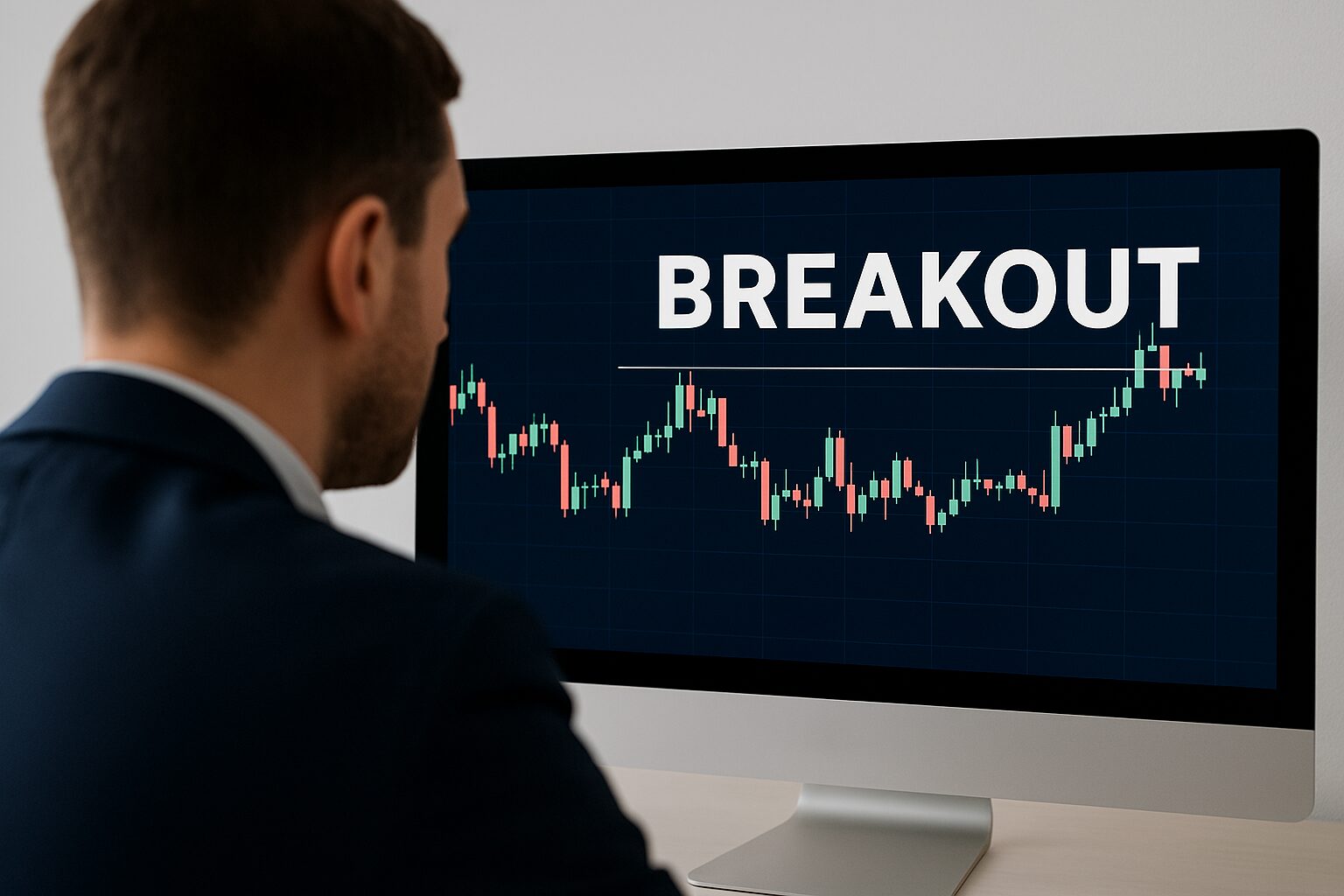
Breakout and False Breakout in Forex: Strategy, ATR Filter, and Retest Rules
Learn how to trade Forex breakouts and avoid false signals: build boxes, apply the ATR filter, use retests, and manage risk for sustainable results.
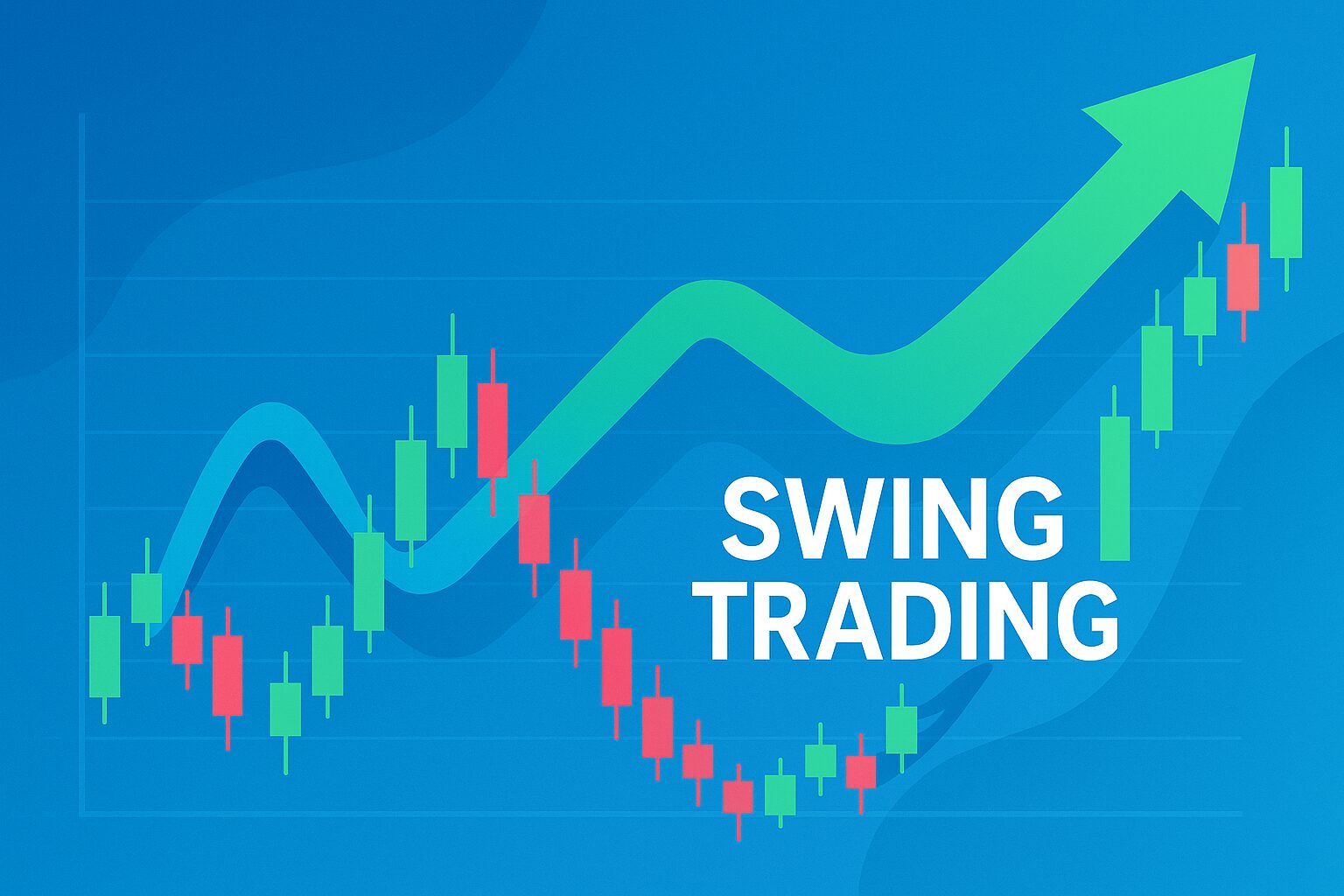
Swing Trading in Forex: Strategy, Setups and Risk Control
Discover swing trading on Forex: how to capture multi-day price swings, key setups (retests, SFP, flags, MA pullbacks), risk control rules, metrics and step-by-step playbooks.
Forex Scalping: Complete Guide for Retail Traders
Forex scalping is ultra-short trading with dozens of fast deals per day. Learn when scalping works for retail traders, what conditions are required, typical mistakes, broker models, and how to measure your true costs.

Day Trading on Forex — Timeframes, Entry and Exit Rules
Learn Forex day trading step by step: how to choose timeframes, set entry and exit rules, apply indicators, filter news, and manage risk with practical playbooks and trading journal templates.

Forex Trading Sessions: Asia, Europe, and US Explained
Learn how Forex trading sessions work: Asia, Europe, and the US. Discover overlaps, volatility patterns, and the best time windows for scalping, day trading, and swing strategies.
What this section covers
This section brings together practical materials about Forex: how the market works, which conditions matter, what risks are hidden in the details and how to compare products without relying on advertising claims.
- key concepts, terminology and product mechanics
- risk checks before using a platform or protocol
- practical comparisons, warning signs and decision checklists
Approaching the forex market with a defined risk plan
Choose a regulated broker available in your jurisdiction, learn how currency pairs, pips, lots, margin, swaps, and order types work, and test the platform in a demo account. Before each live trade, define the entry, invalidation point, position size, maximum loss, and exposure to scheduled economic announcements.
Useful guides
For a deeper route through this topic, start with Forex copy trading: how to choose traders consciously and control risk, Forex Made Simple: How the Currency Market Works, Forex Trading Costs: Spread, Swap, and Broker Commissions Explained, Top 10 International Forex Brokers with the Highest Trustpilot Ratings.
Frequently asked questions
What should traders compare between forex brokers?
Compare regulatory entity, client-money protections, average spreads during relevant sessions, commissions, overnight financing, execution model, slippage, margin-closeout rules, platform reliability, and withdrawal procedures. Advertised minimum spreads are less useful than the all-in cost and execution quality for the pairs and hours you trade.
Why does leverage make forex trading especially risky?
Leverage lets a small deposit control a much larger currency position, so modest exchange-rate moves can create rapid gains or losses. Stops may fill beyond their requested price in fast markets, and margin rules can force positions closed, making conservative sizing more important than the maximum leverage offered.