GameFi
Content focused on GameFi projects, in-game economies, and tokenized interaction models built on blockchain infrastructure
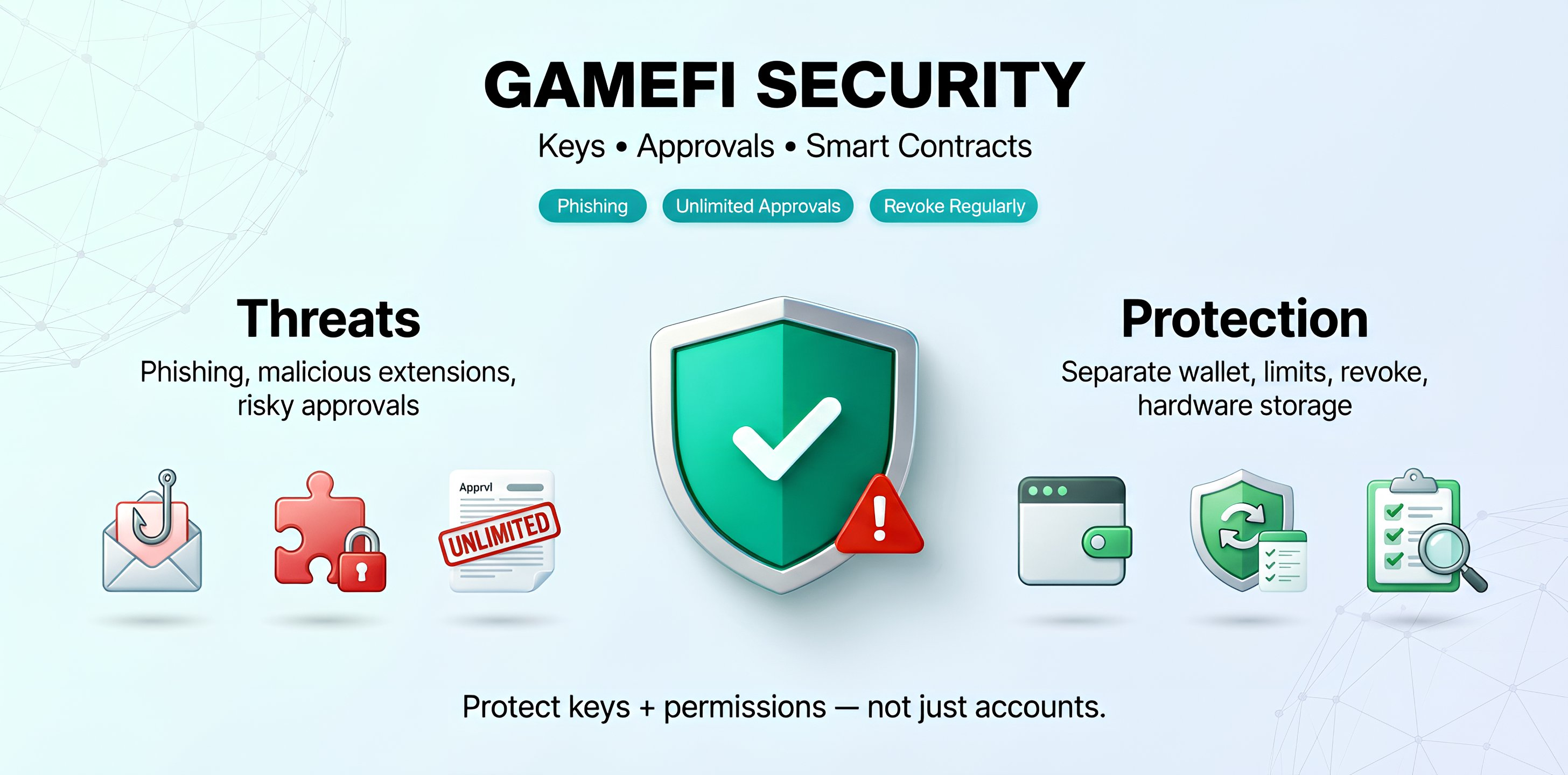
GameFi Security: Main Threats and Practical Protection
GameFi involves real money: wallet, signatures, and permissions (approve/revoke). Below is a threat map and a short, no-fluff protection plan.
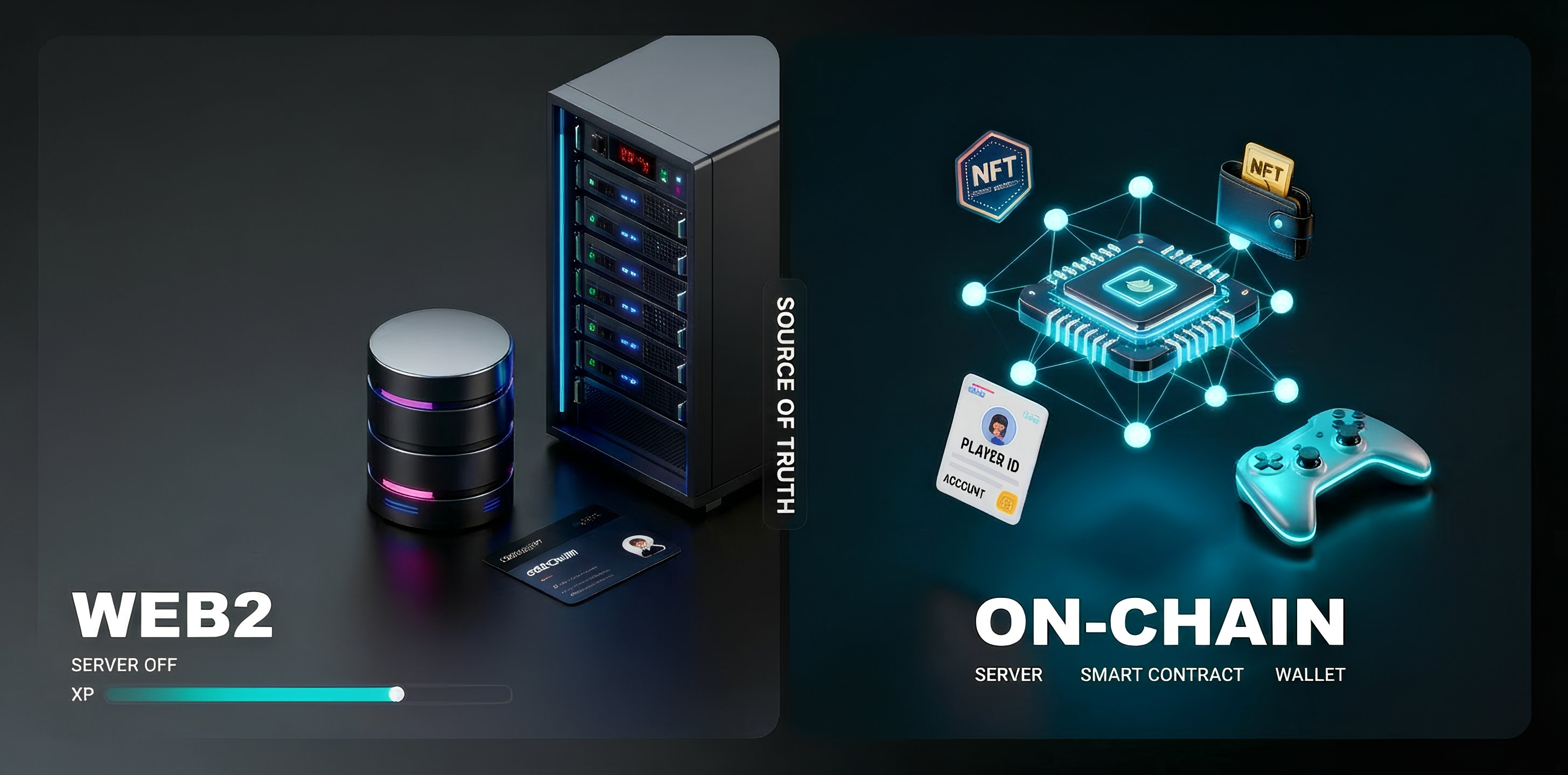
On-chain vs Web2 games: where assets, progress, and rules live
The core difference is where the “source of truth” lives: on studio servers or in smart contracts. That determines what remains for players if the project shuts down.
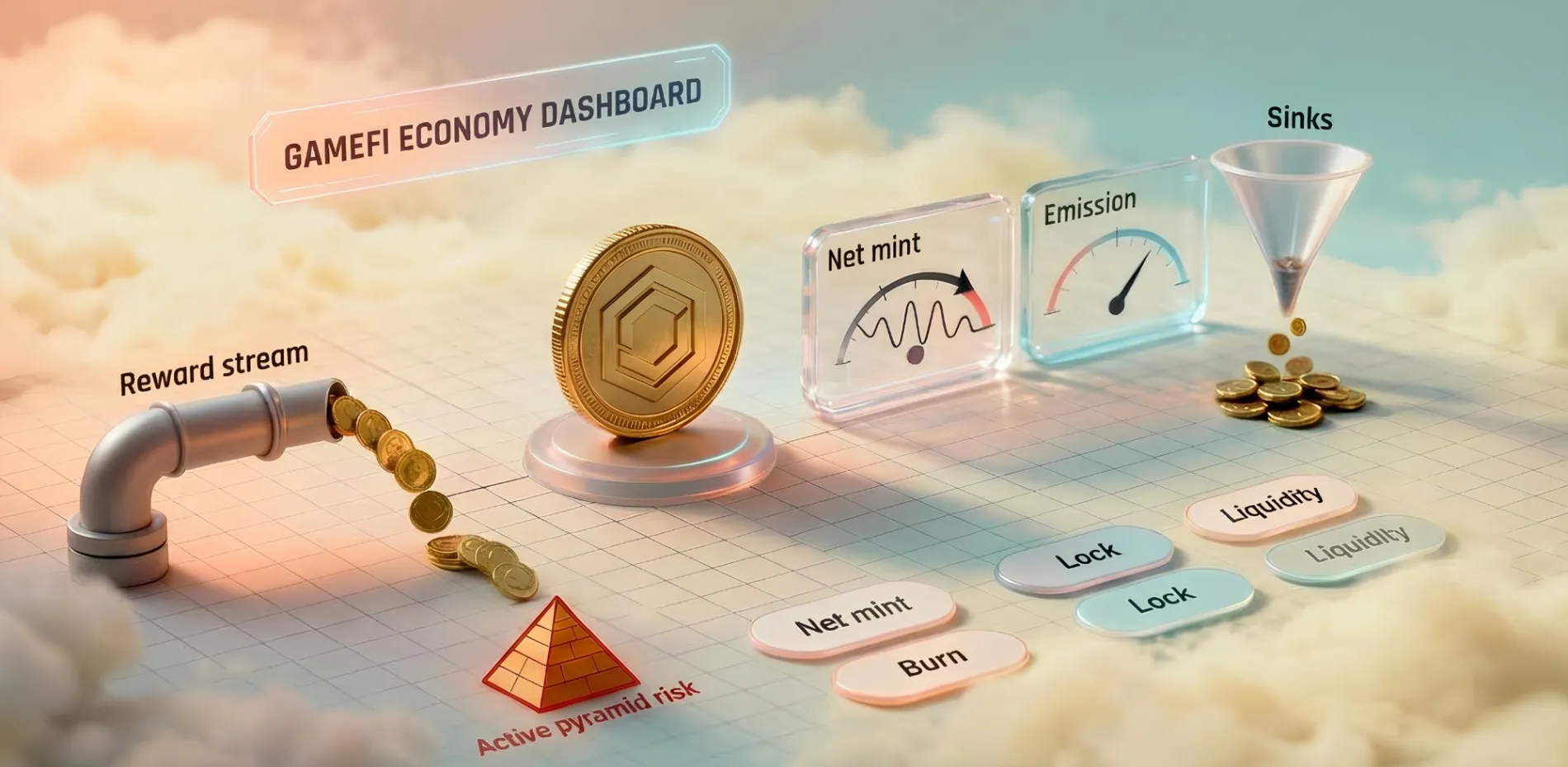
How to evaluate a GameFi economy: token inflation, reward emissions, and sink mechanics
A practical breakdown of GameFi tokenomics: how the economy behaves during growth, downturns, and “cooldowns.”
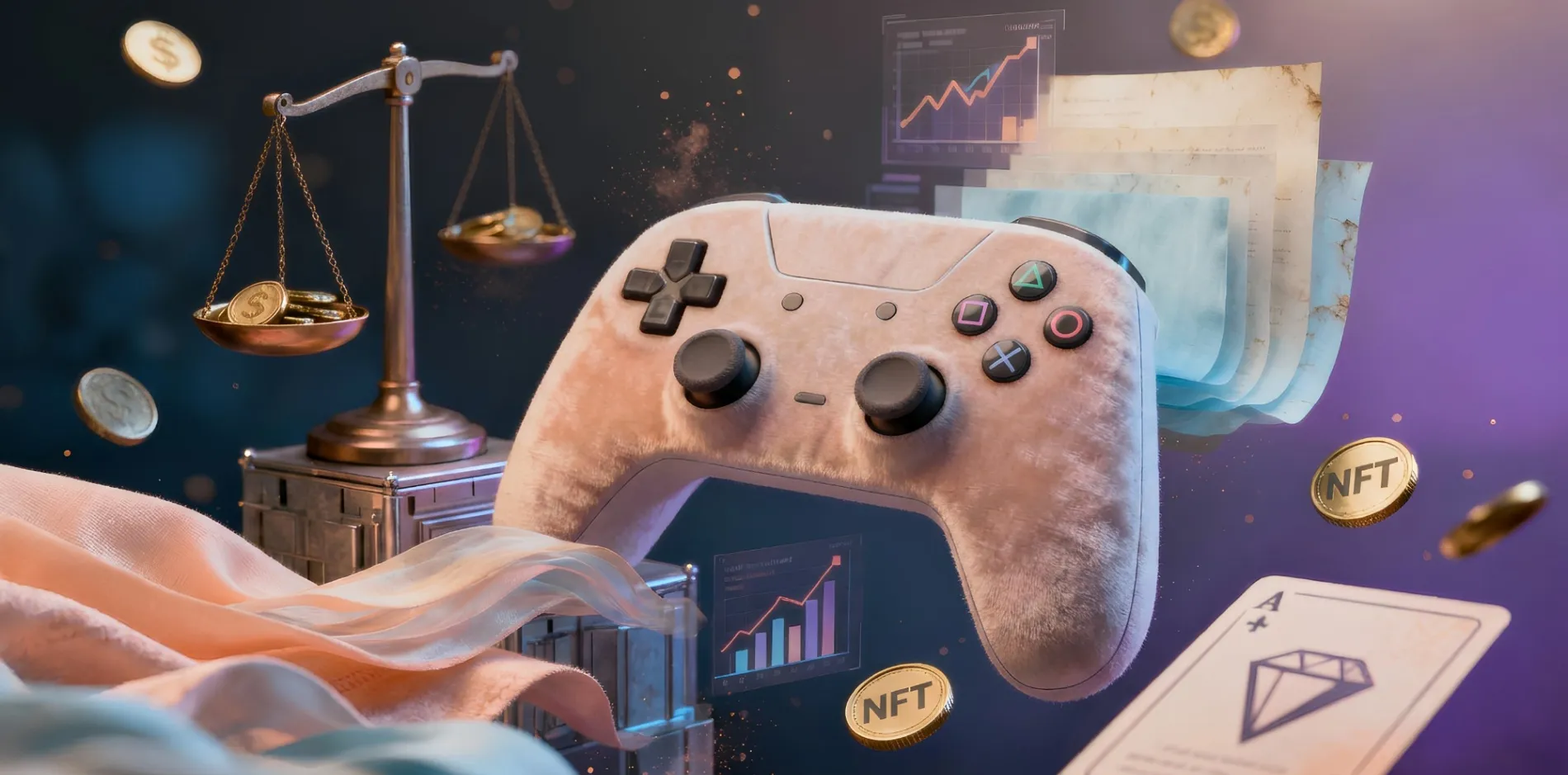
How GameFi works: P2E/P&E, tokens and NFTs—where money is made and lost
How GameFi works: P2E/P&E models, token and NFT roles, income sources, and the main traps for beginners
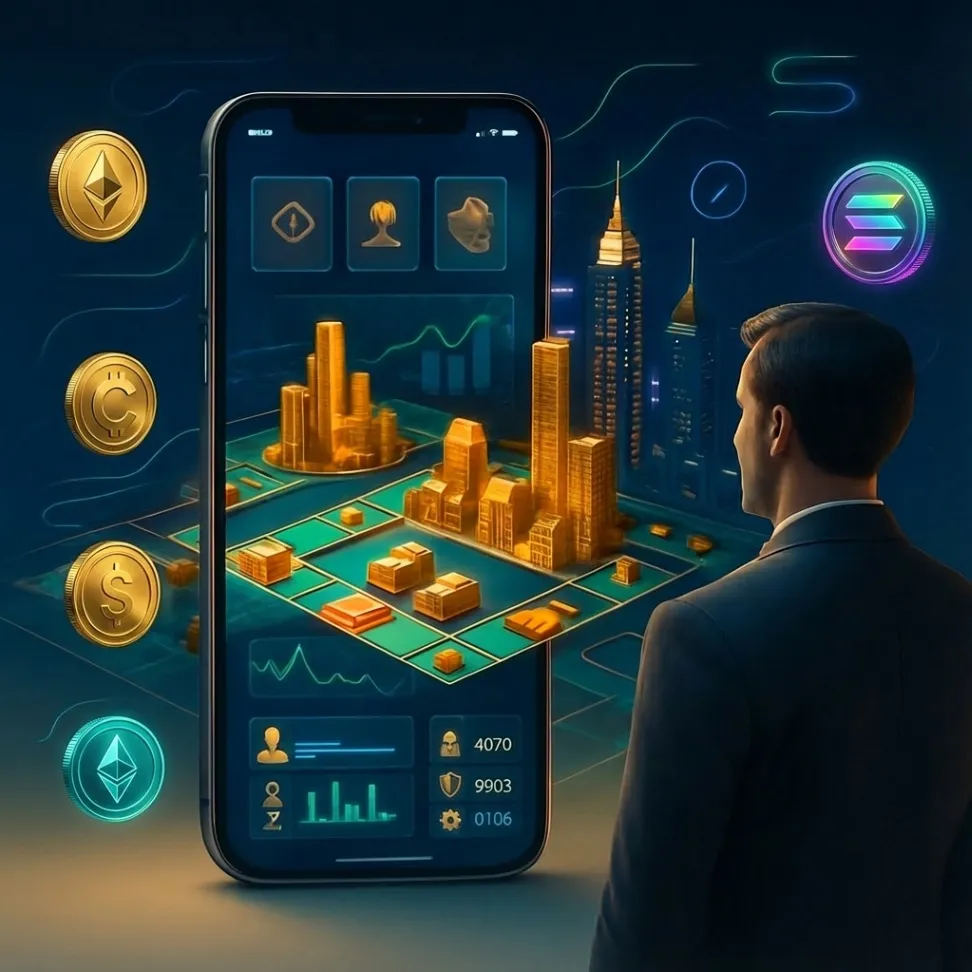
Trump Billionaires Club: mobile game with TRUMP rewards
An overview of Trump Billionaires Club: gameplay loop, TRUMP token role, and key risks.
What this section covers
This section brings together practical materials about GameFi: how the market works, which conditions matter, what risks are hidden in the details and how to compare products without relying on advertising claims.
- key concepts, terminology and product mechanics
- risk checks before using a platform or protocol
- practical comparisons, warning signs and decision checklists
Joining a GameFi economy without overcommitting
Play the game first to understand whether its core experience stands on its own, then study the wallets, networks, tokens, NFTs, and permissions it requires. Use a separate wallet, verify official contracts and marketplaces, budget for transaction fees, and treat purchased assets as entertainment spending unless a sustainable economic case is clear.
Useful guides
For a deeper route through this topic, start with How GameFi works: P2E/P&E, tokens and NFTs—where money is made and lost, GameFi Security: Main Threats and Practical Protection, How to evaluate a GameFi economy: token inflation, reward emissions, and sink mechanics.
Frequently asked questions
How do I compare GameFi projects and their token economies?
Look at player retention, gameplay quality, developer delivery, asset utility, token sinks, reward emissions, treasury funding, marketplace liquidity, ownership rights, and dependence on new participants. High earning rates can collapse when rewards outpace genuine demand or when unlocks concentrate sell pressure among early holders.
Do I truly own items represented by GameFi NFTs?
You generally control the token in your wallet, but its artwork, intellectual-property rights, in-game utility, and continued functionality depend on the licence, contracts, servers, and developer support. Read the terms carefully because ownership of an NFT does not automatically grant ownership of the game or its underlying media.