Crypto Wallets
Content about crypto wallets for storing and managing digital assets, covering wallet types, security models, and usage scenarios

How not to lose your seed phrase: a practical guide to secure storage
How to store a seed phrase and backups so you do not lose access to cryptocurrency even years later
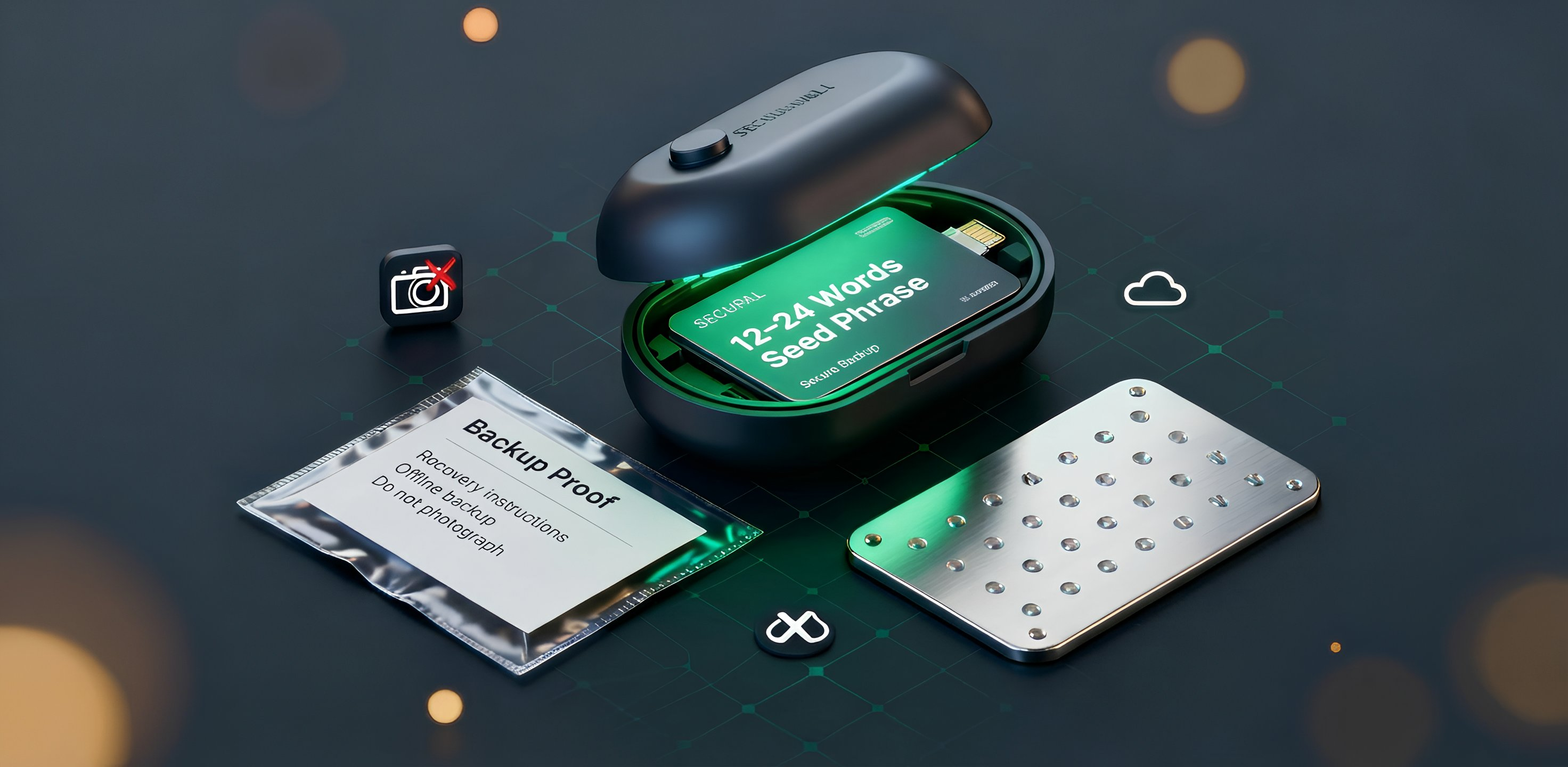
Seed Phrase in Crypto: Protection, Storage, and Recovery
What a crypto seed phrase is, how it protects access, and how to store it safely — from paper and metal backups to Shamir’s Secret Sharing and encrypted microSD.
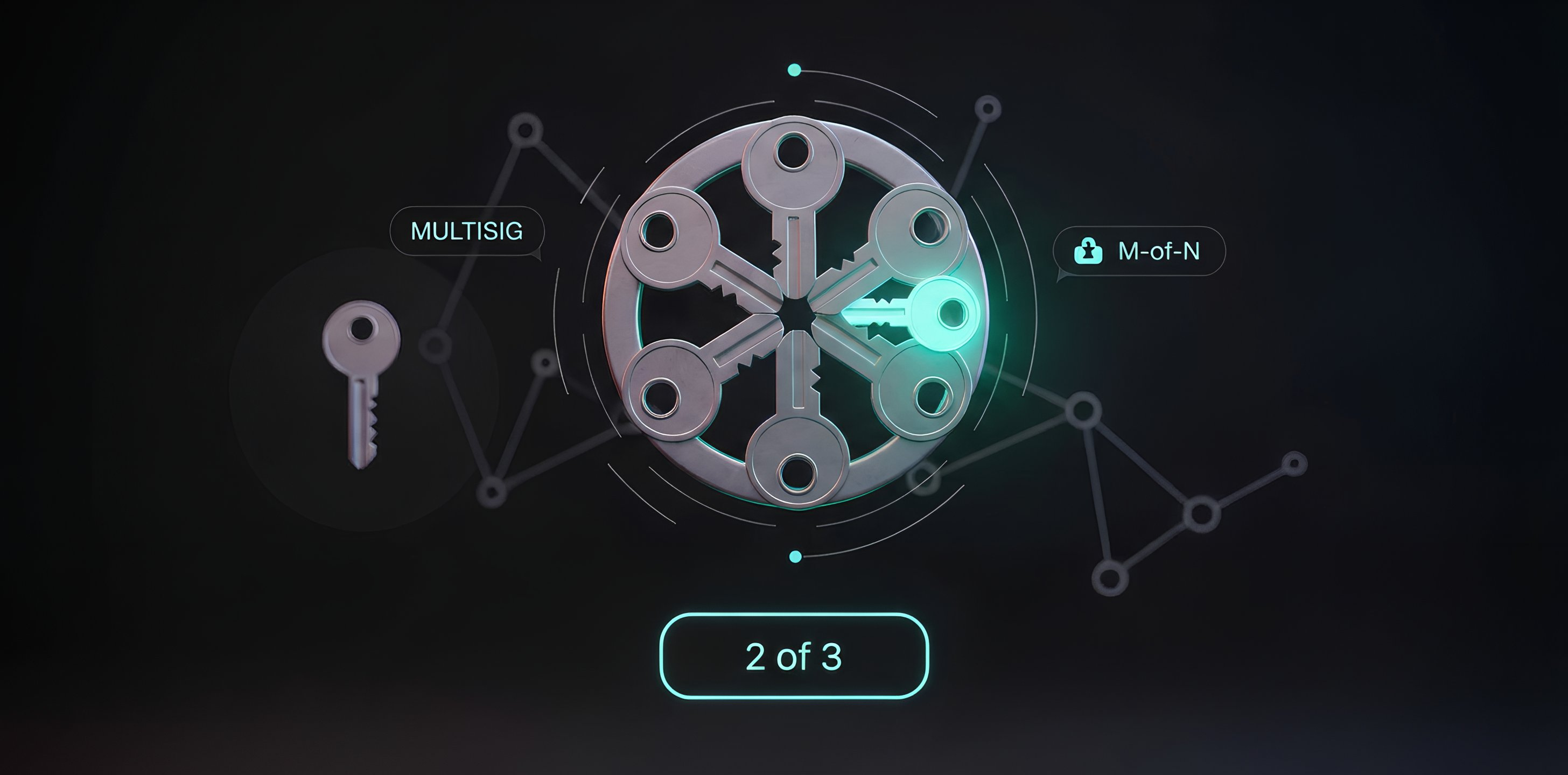
Multisig Crypto Wallets: How They Work and Common Solutions
How multi-signature wallets work, how they differ from single-key wallets, and what operational risks to account for across Bitcoin, EVM, Solana, TRON, and BNB Smart Chain.
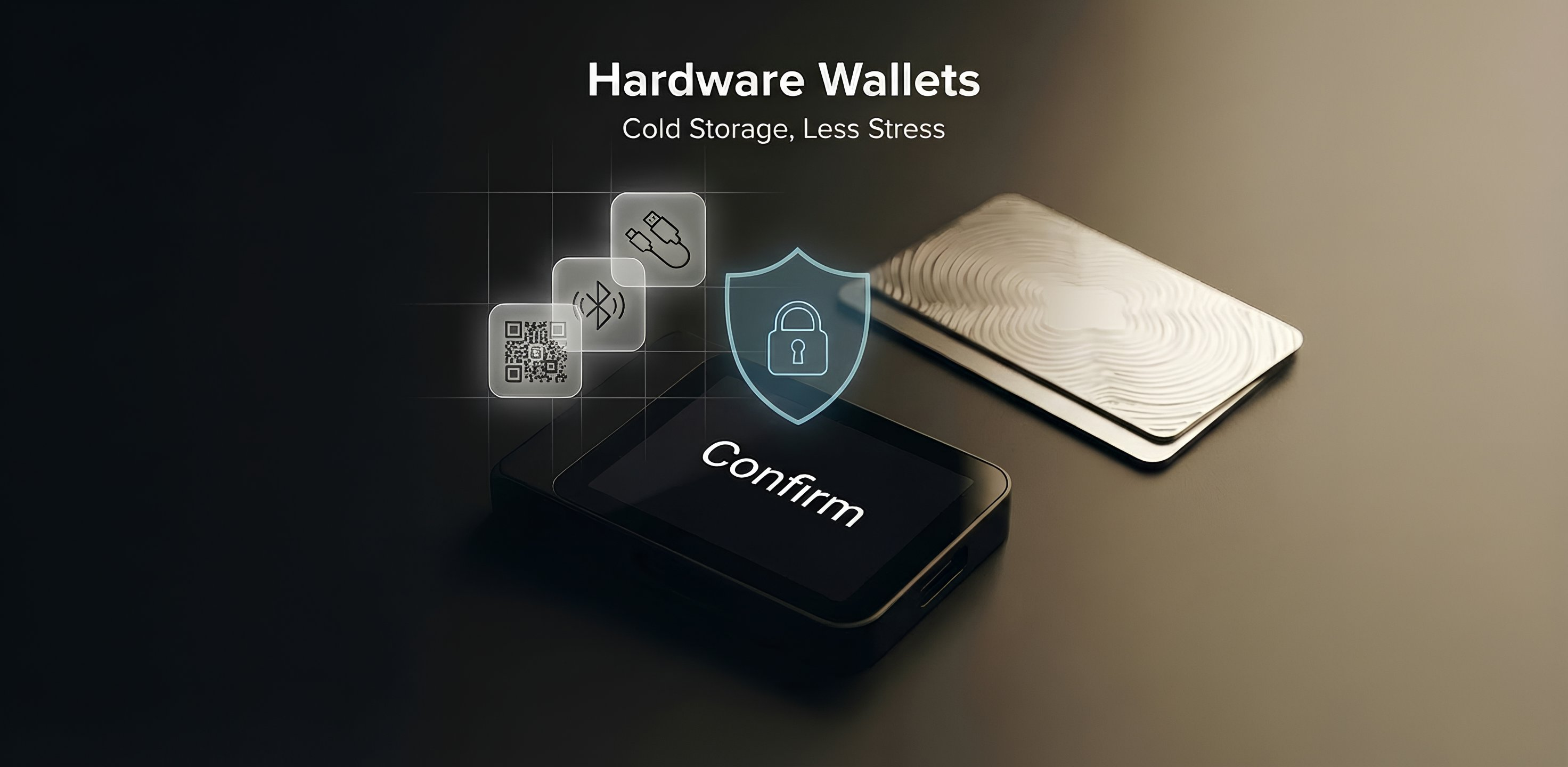
Best Hardware Crypto Wallets: Full Review and Comparison
A review of hardware wallets: Ledger, Trezor, Coldcard, Keystone, BitBox, and NGRAVE. Comparison table, pros and cons, plus tips on backups and multisig.
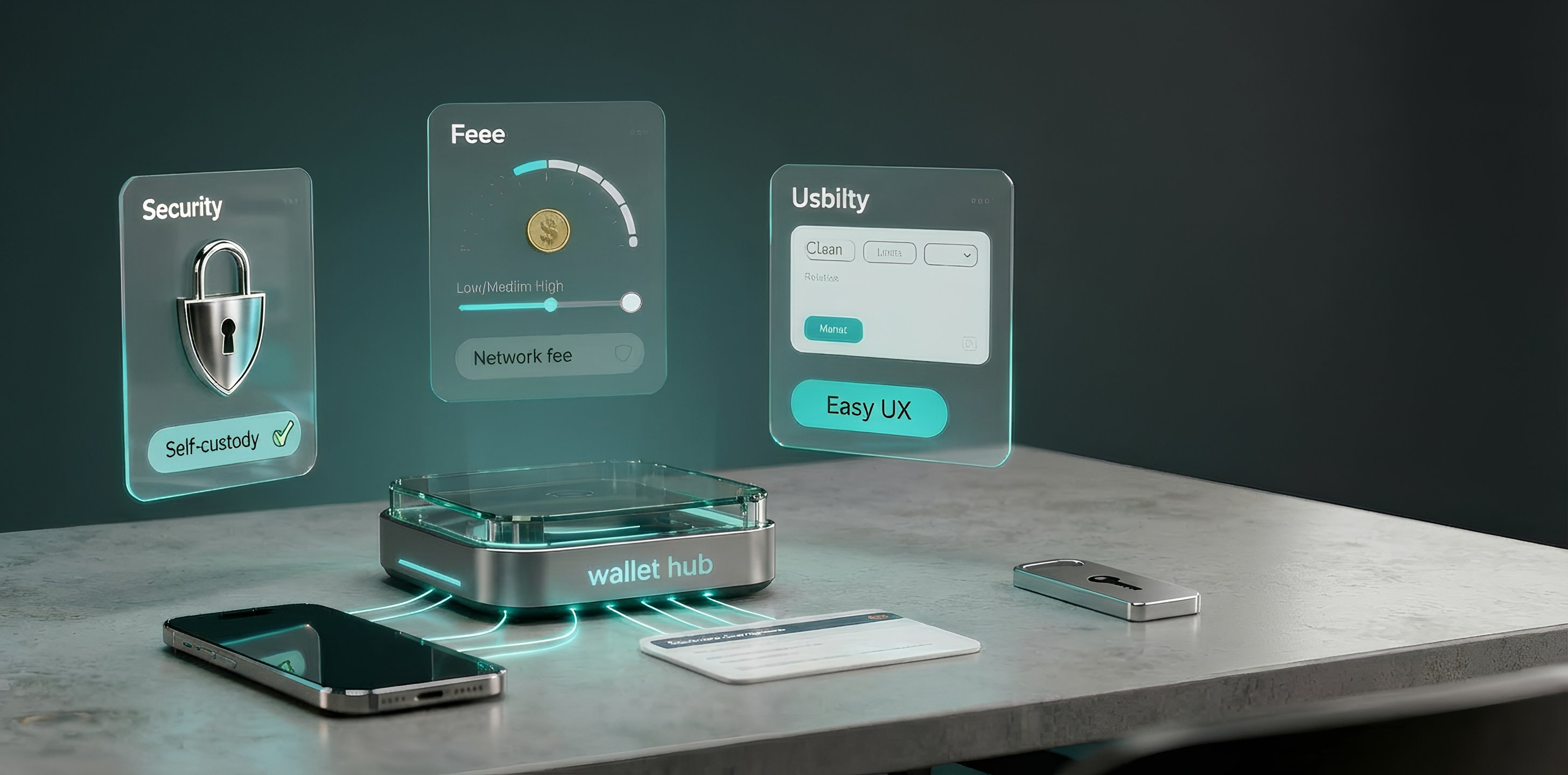
Best Crypto Wallets: Security, Fees, and Usability
A detailed comparison of popular crypto wallets: MetaMask, Trust Wallet, Coinbase Wallet, Rabby, Phantom, Exodus, Atomic Wallet, Guarda, and OKX Wallet.
Also in this category
Related articles you might find interesting
What this section covers
This section brings together practical materials about crypto wallets: how the market works, which conditions matter, what risks are hidden in the details and how to compare products without relying on advertising claims.
- key concepts, terminology and product mechanics
- risk checks before using a platform or protocol
- practical comparisons, warning signs and decision checklists
Setting up a crypto wallet without compromising your keys
Download wallet software only from the verified publisher, create a fresh wallet, and record the recovery phrase offline where no camera or cloud service can capture it. Receive a small test amount first, confirm the address and network on both sides, and use a hardware wallet or multisignature setup for balances that would be painful to lose.
Useful guides
For a deeper route through this topic, start with Best Crypto Wallets: Security, Fees, and Usability, How not to lose your seed phrase: a practical guide to secure storage, Approval phishing: why your wallet can be drained without a signature.
Frequently asked questions
Which features matter most when comparing crypto wallets?
Decide first whether you need self-custody or a custodial recovery service, then compare asset and network support, hardware-wallet compatibility, fee controls, open-source code, backup options, transaction simulation, and phishing protection. Convenience features are useful only if the wallet's security model and recovery process match your abilities.
What happens if I lose access to my crypto wallet?
A valid recovery phrase or approved recovery method can usually restore a self-custody wallet on compatible software. Without it, neither the wallet developer nor the blockchain can reset your keys, which is why backups should be tested, private, durable, and stored separately from the device.