DeFi
Content covering decentralized finance, including DeFi protocols, smart contracts, liquidity pools, risks, and economic models
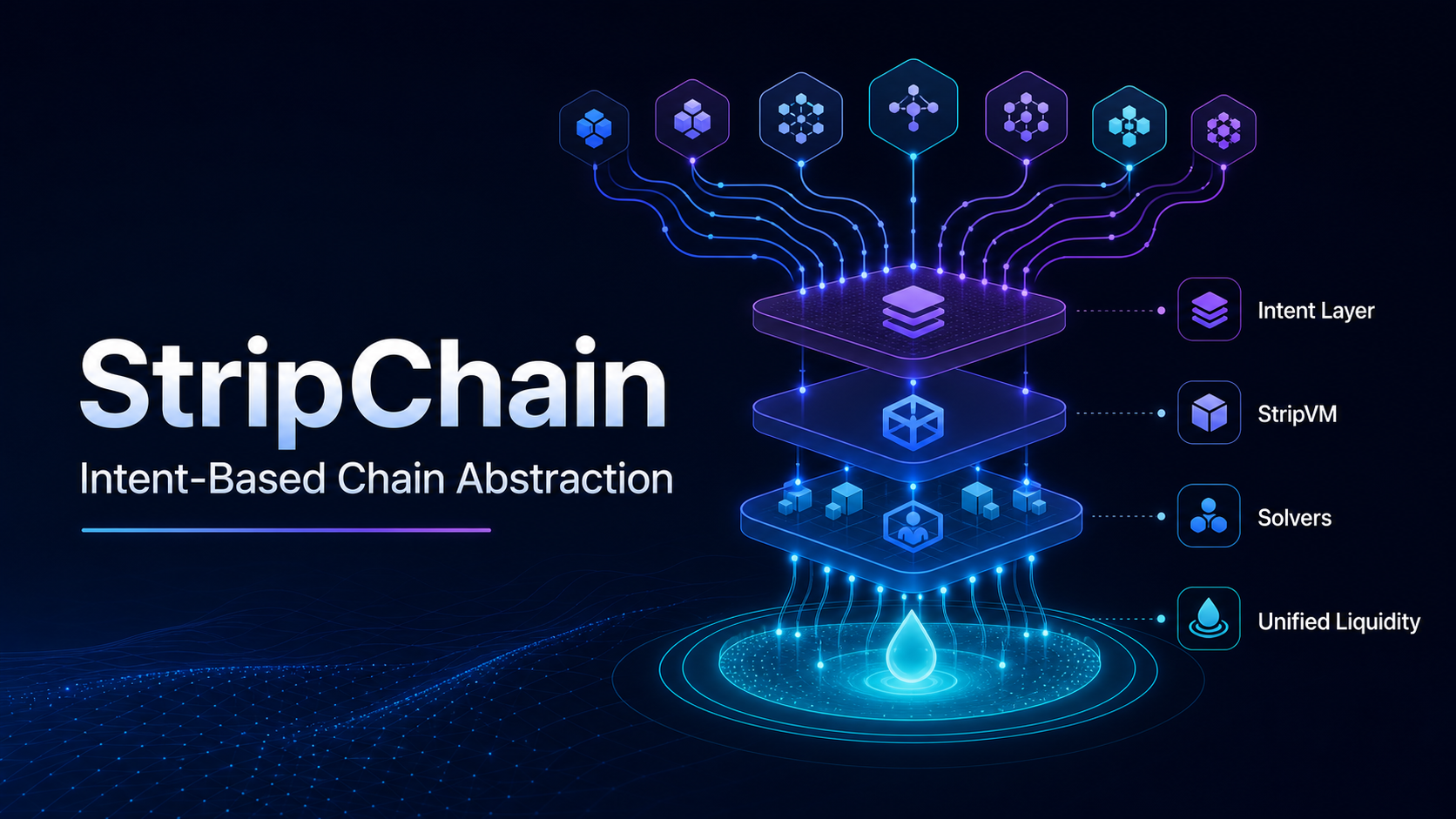
StripChain: Chain Abstraction for Omnichain Applications
StripChain is an intent-based interoperability protocol built around StripVM, StripIntents, StripSolvers and a unified liquidity layer for omnichain applications.

How to earn in the Avalanche ecosystem: DeFi protocols and AVAX staking
A practical guide to Avalanche DeFi: C-Chain, liquidity, staking, lending, bridges and risk controls
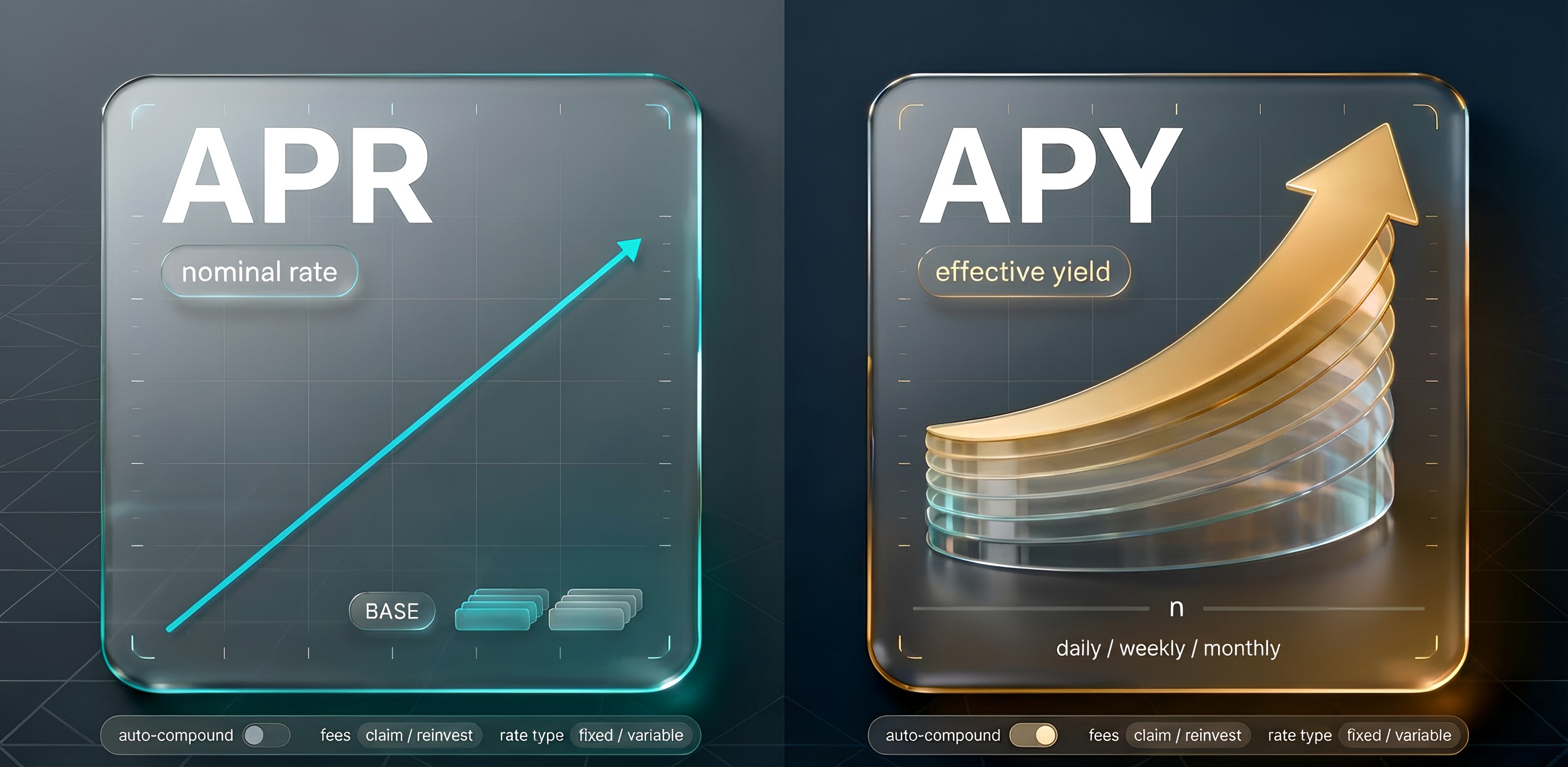
Crypto yield rates: APR vs APY
How to read nominal and effective annual yield in staking, Earn products, lending and DeFi.
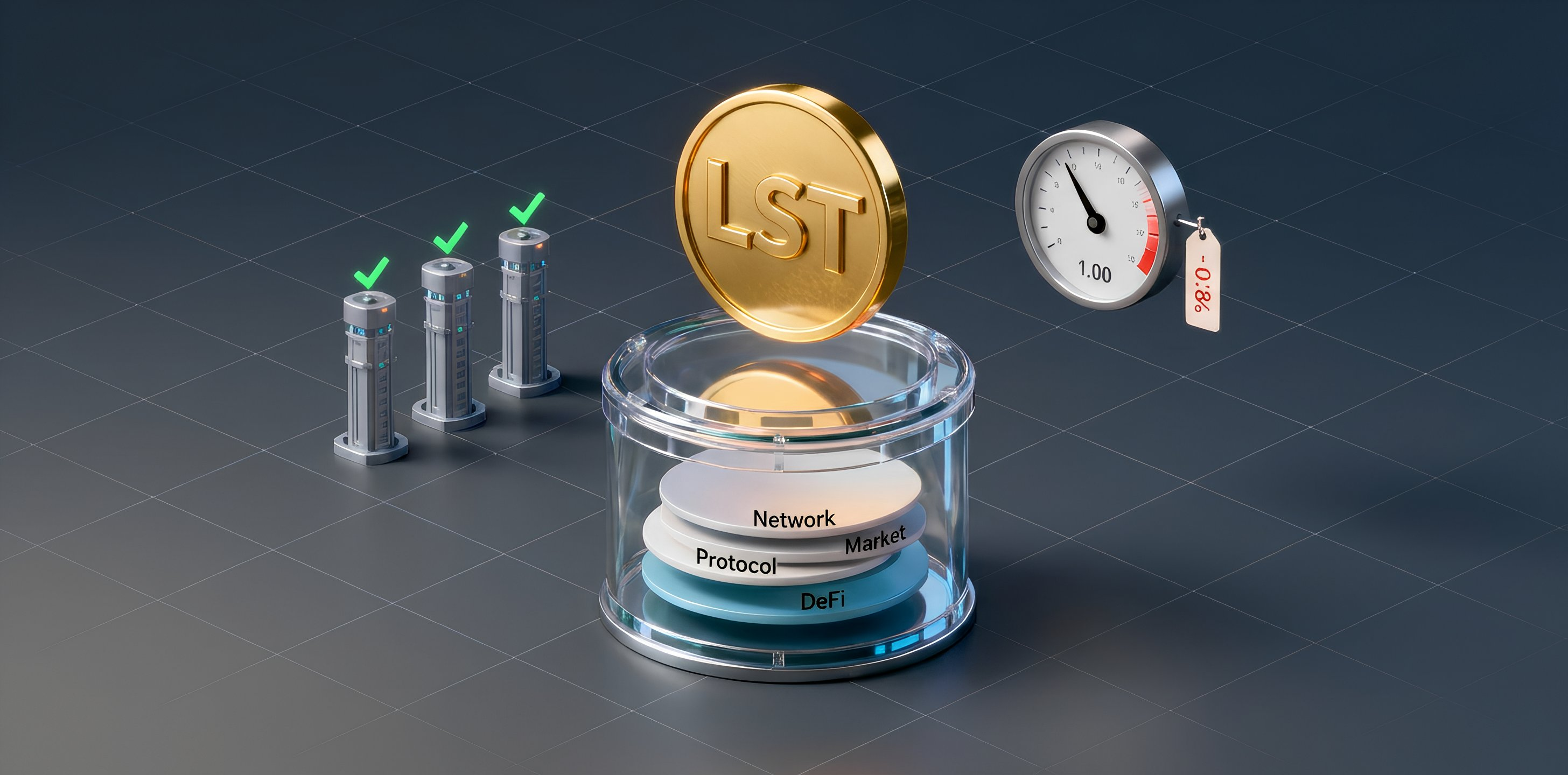
Liquid staking (LST): how it works, yield and depeg risks
LST makes staking liquid: instead of a locked deposit, you receive a token. We break down where yield comes from, why depeg happens and what extra risks the protocol and the market add.
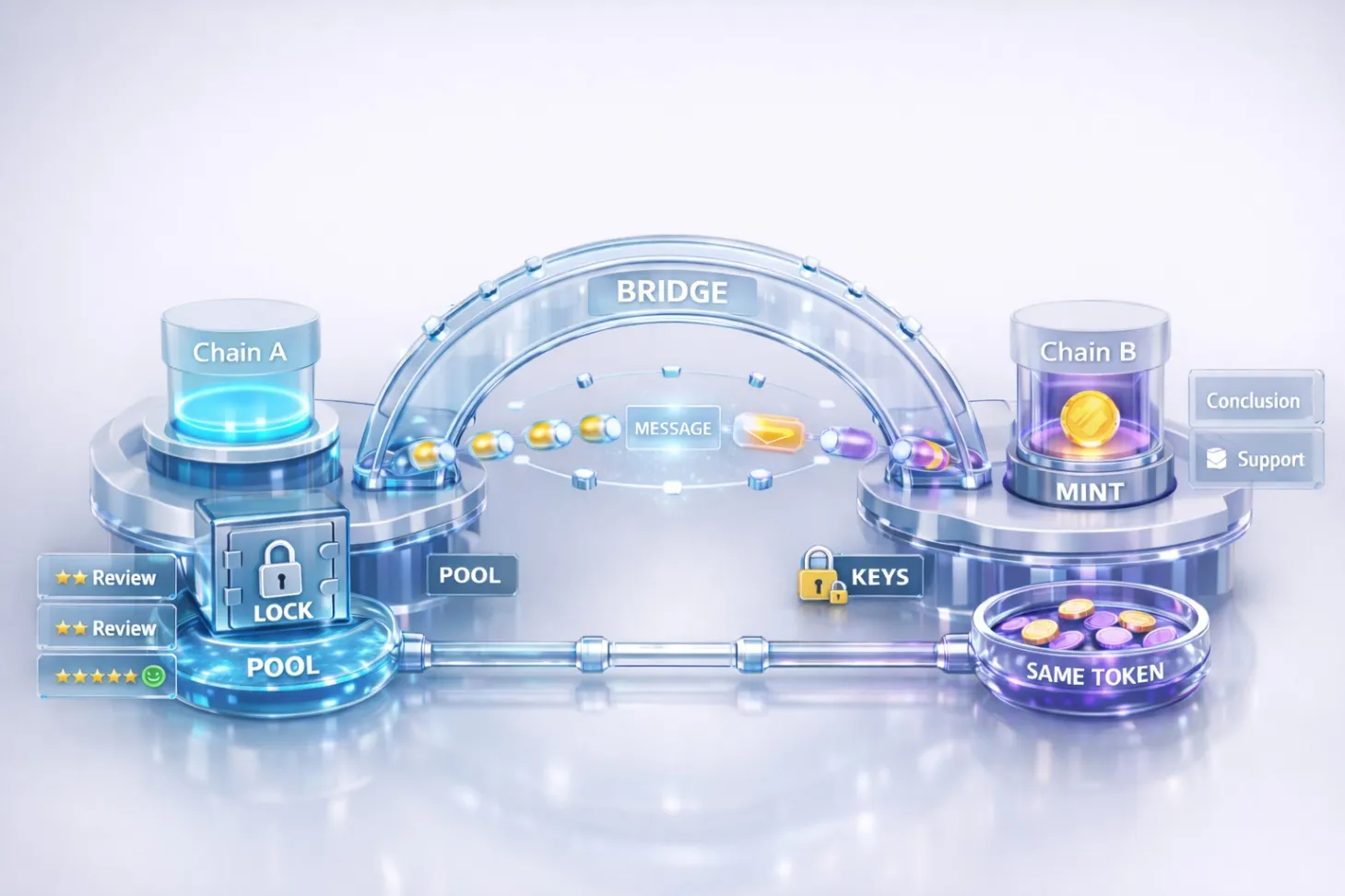
Crypto bridges: how bridges work and which ones are safest
A practical guide to how crypto bridges are built, what risks they create and which bridge designs deserve trust

When Not to Use DeFi: Key Risks and Limitations
Where decentralization increases freedom, and where errors, volatility and bugs turn into irreversible losses

Top DeFi Protocols for Lending & Borrowing: Yield, LTV, Liquidations and Strategies
One inflated LTV or poorly chosen protocol can turn a profitable DeFi loan into forced liquidation
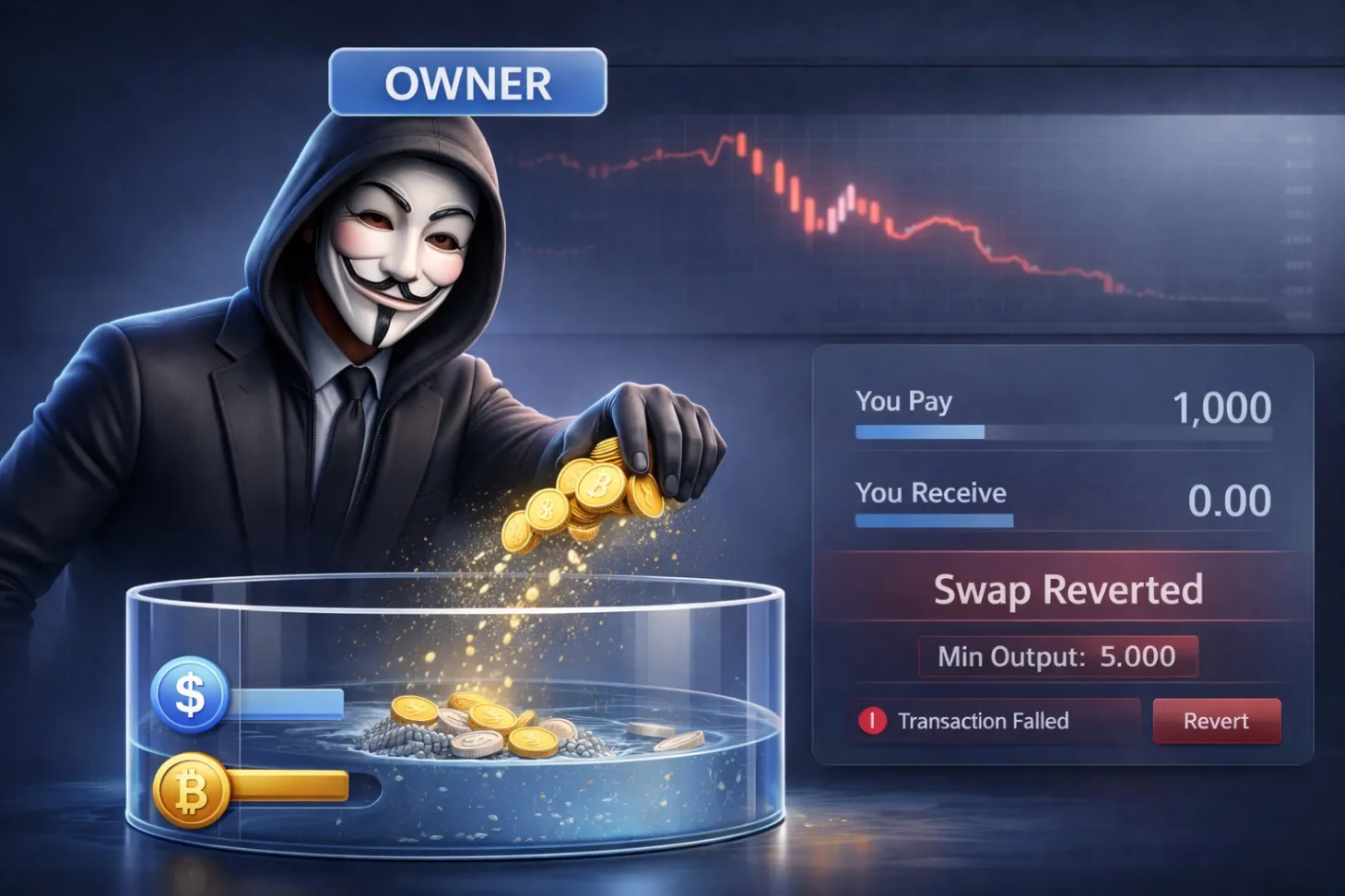
Why a token becomes unsellable after liquidity is removed from the pool
Why a token can become unsellable after liquidity is removed from a trading pool

What Restaking Is and How It Works in the Ethereum Ecosystem
EigenLayer: What Restaking Is and How It Works in the Ethereum Ecosystem
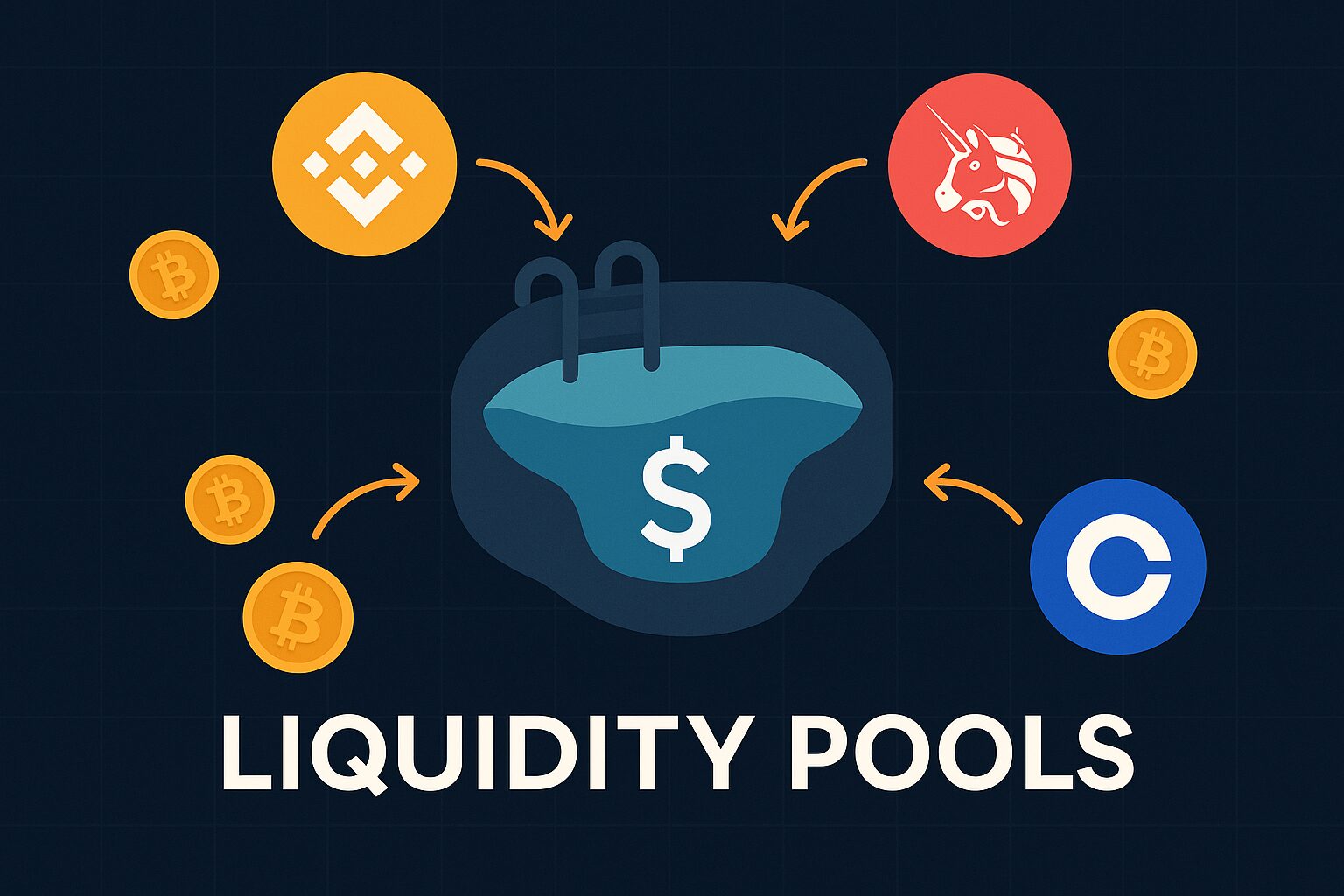
StableSwap Pools on Curve: How They Work and Where the Yield Comes From
The StableSwap algorithm on Curve, efficient stablecoin swaps, LP yield, and the key risks of DeFi pools.
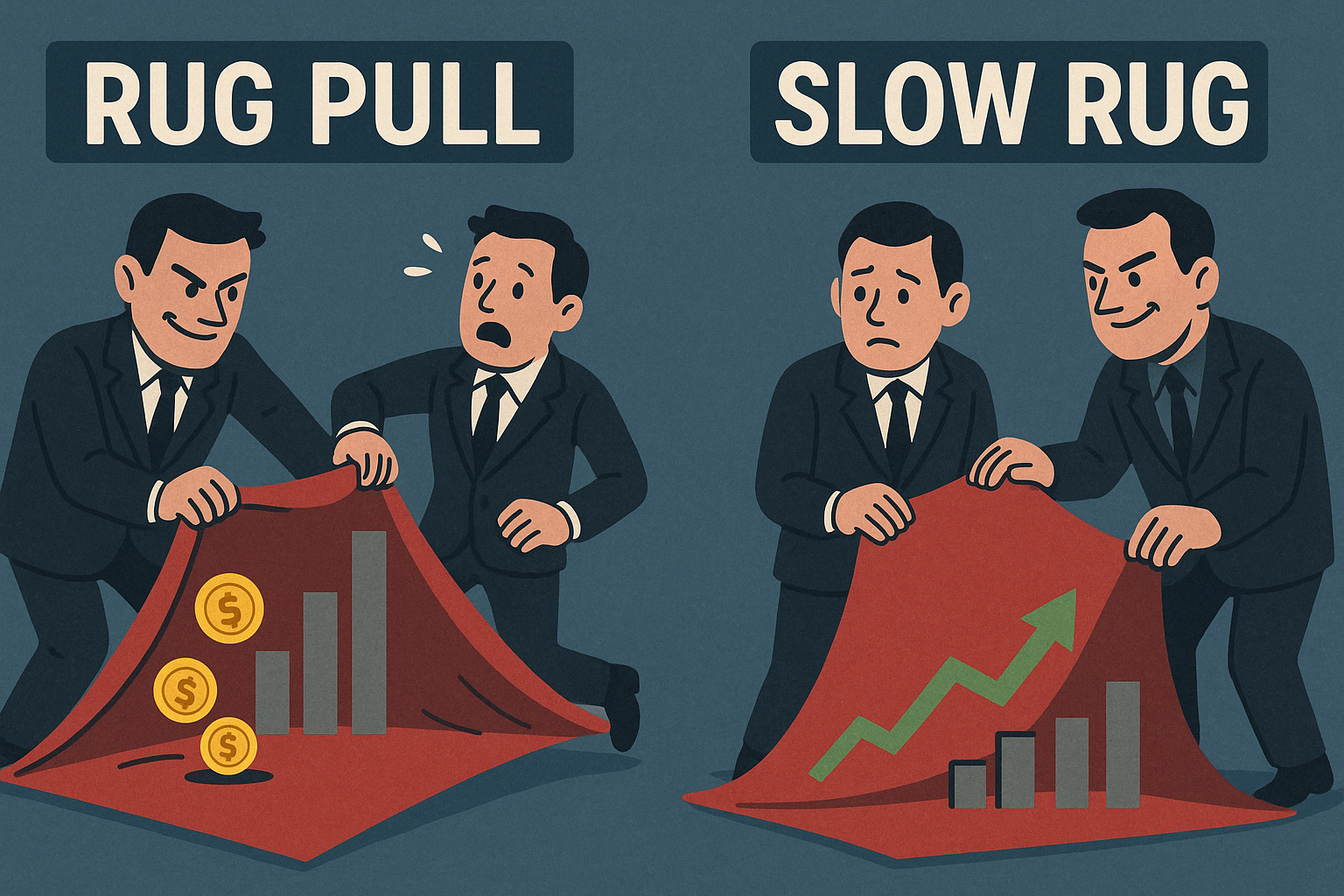
Rug Pull and Slow Rug: how projects quietly drain investors
Early scam signals, on-chain checks and a practical action plan when liquidity starts to disappear
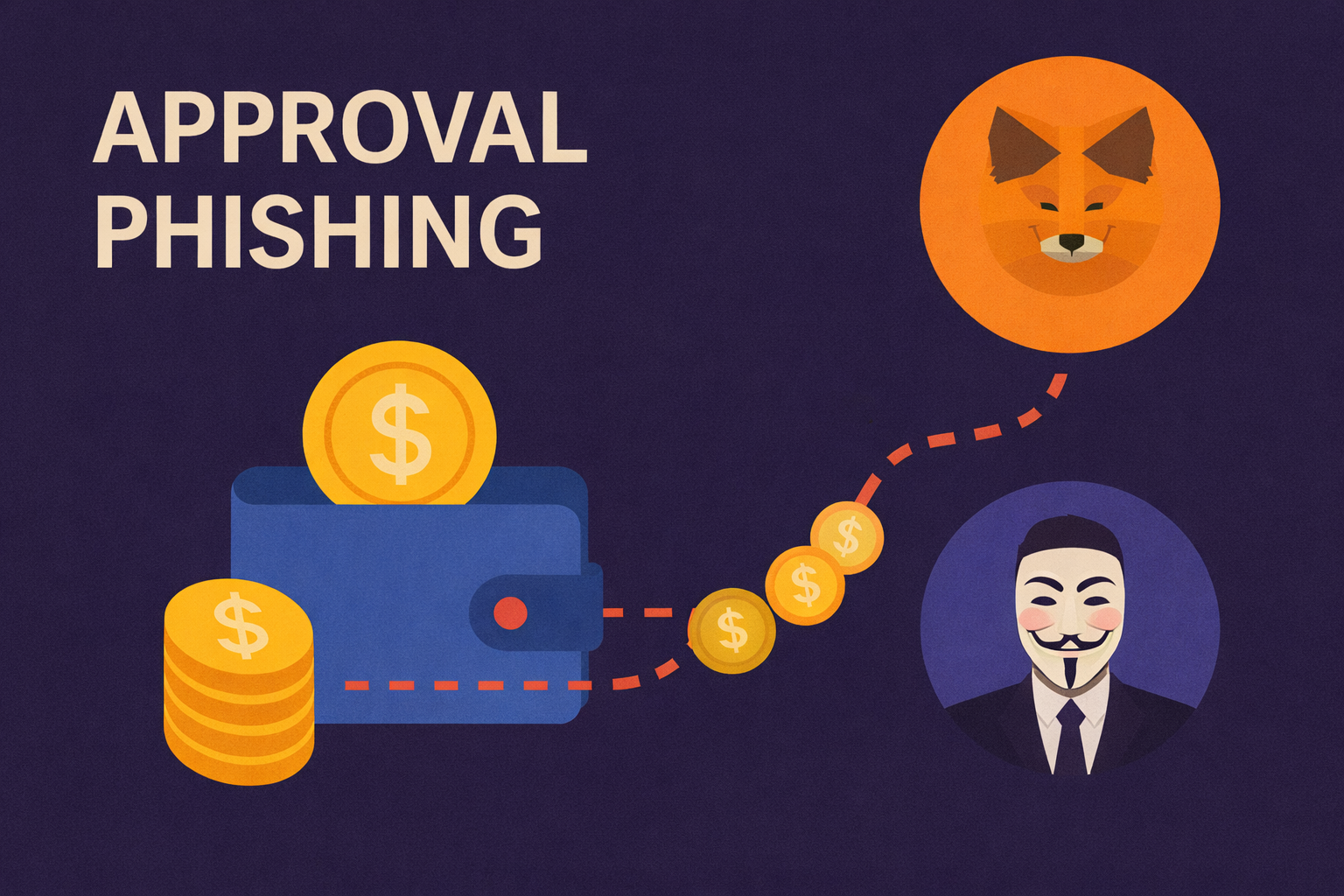
Approval phishing: why your wallet can be drained without a signature
How one click on Allow can become full access to your assets

How to check cryptocurrency liquidity before a trade: trader checklist
Check executability before entering: spread, depth and price impact — and plan your exit in advance
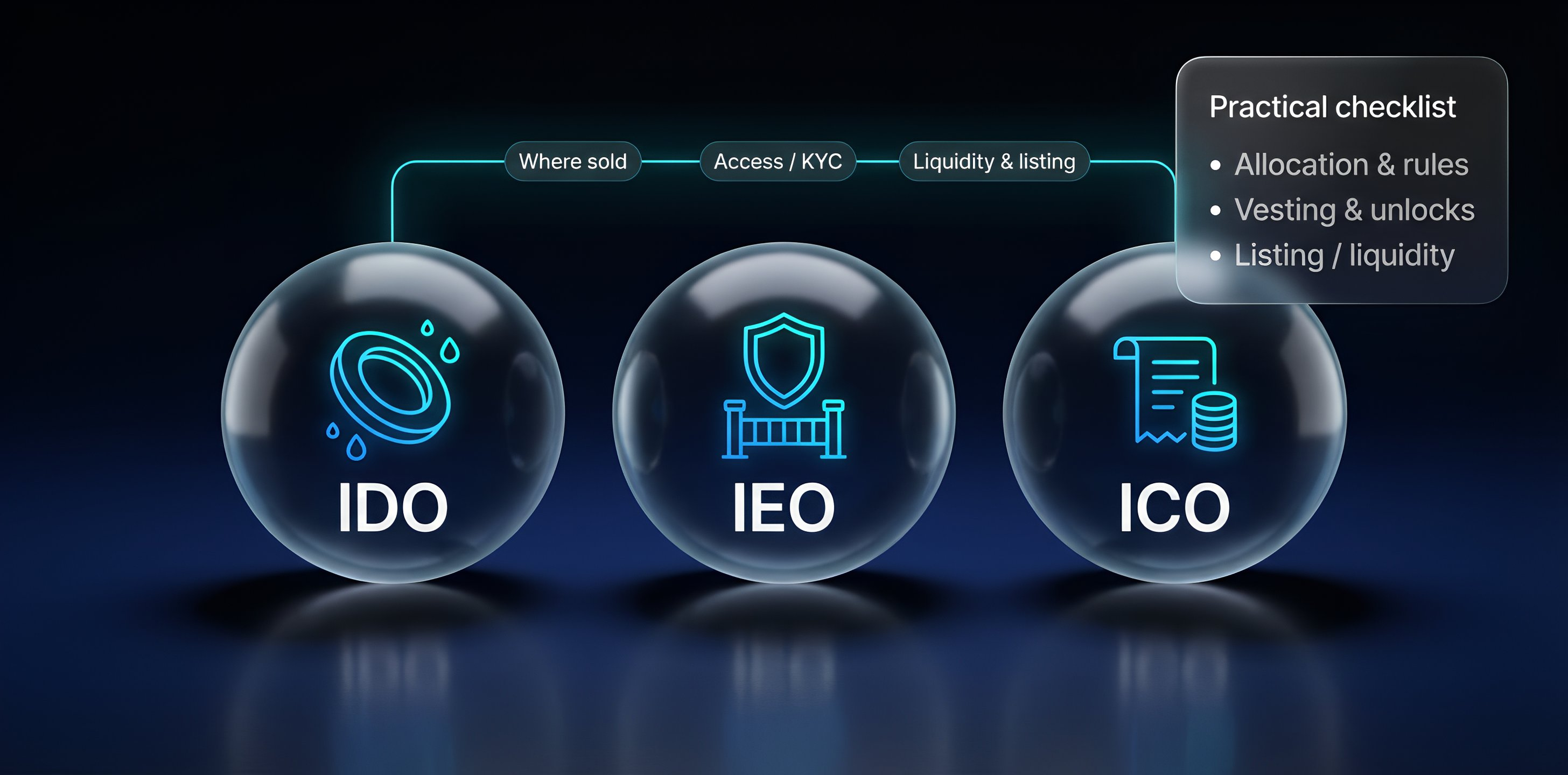
IDO, IEO and ICO: the practical difference and what investors should choose
A comparison of token sale formats: participation rules, KYC, allocation, listing, liquidity, risks and strategy choice
Chia farming: how to start a hard drive farm without going into the red
A practical look at Chia farming: from choosing disks to calculating payback and risks
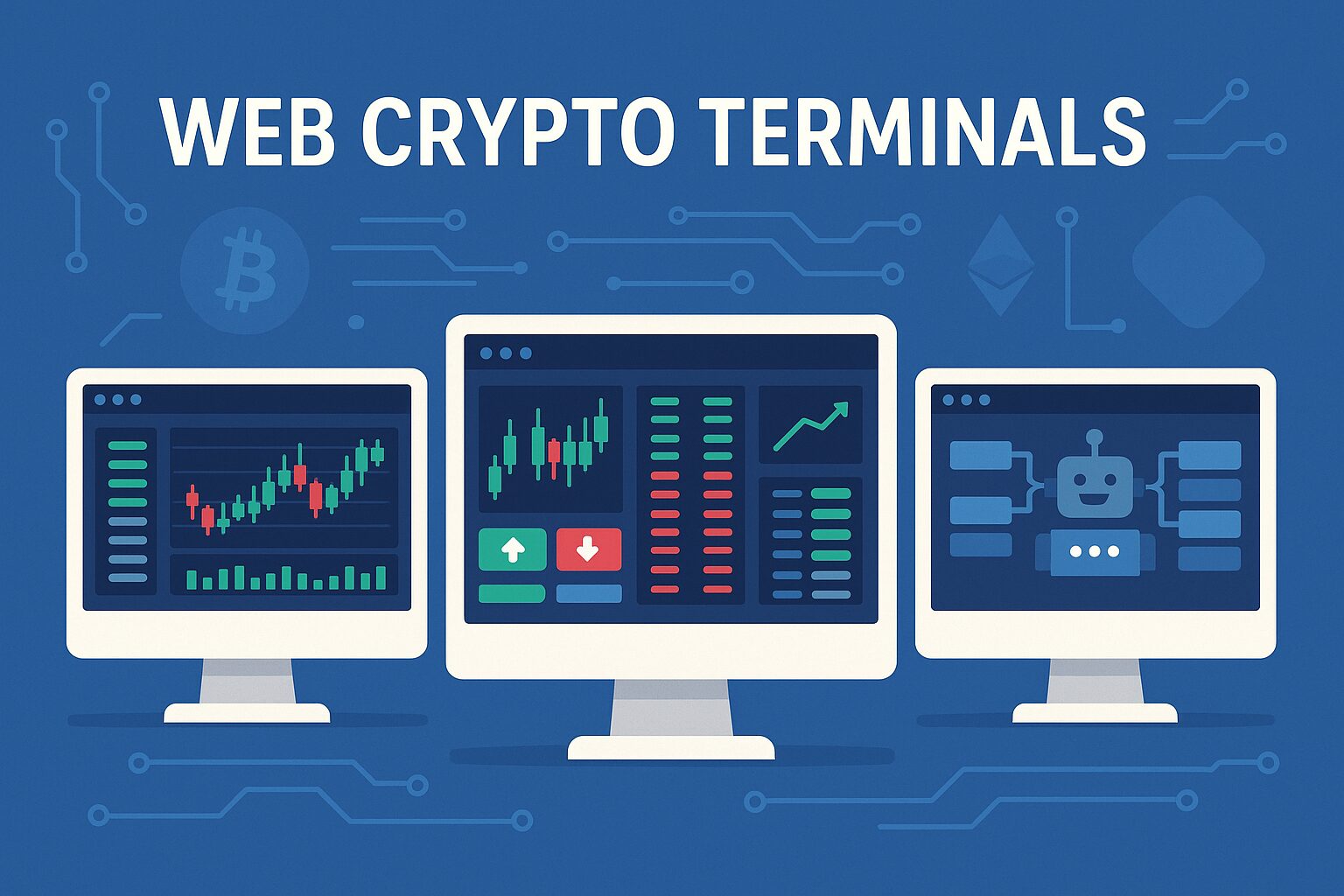
Predict.fun Points Farming: How the Order Book Works, Rules, and Risk Control
A practical guide to farming points via limit orders, snapshots, and disciplined risk control.
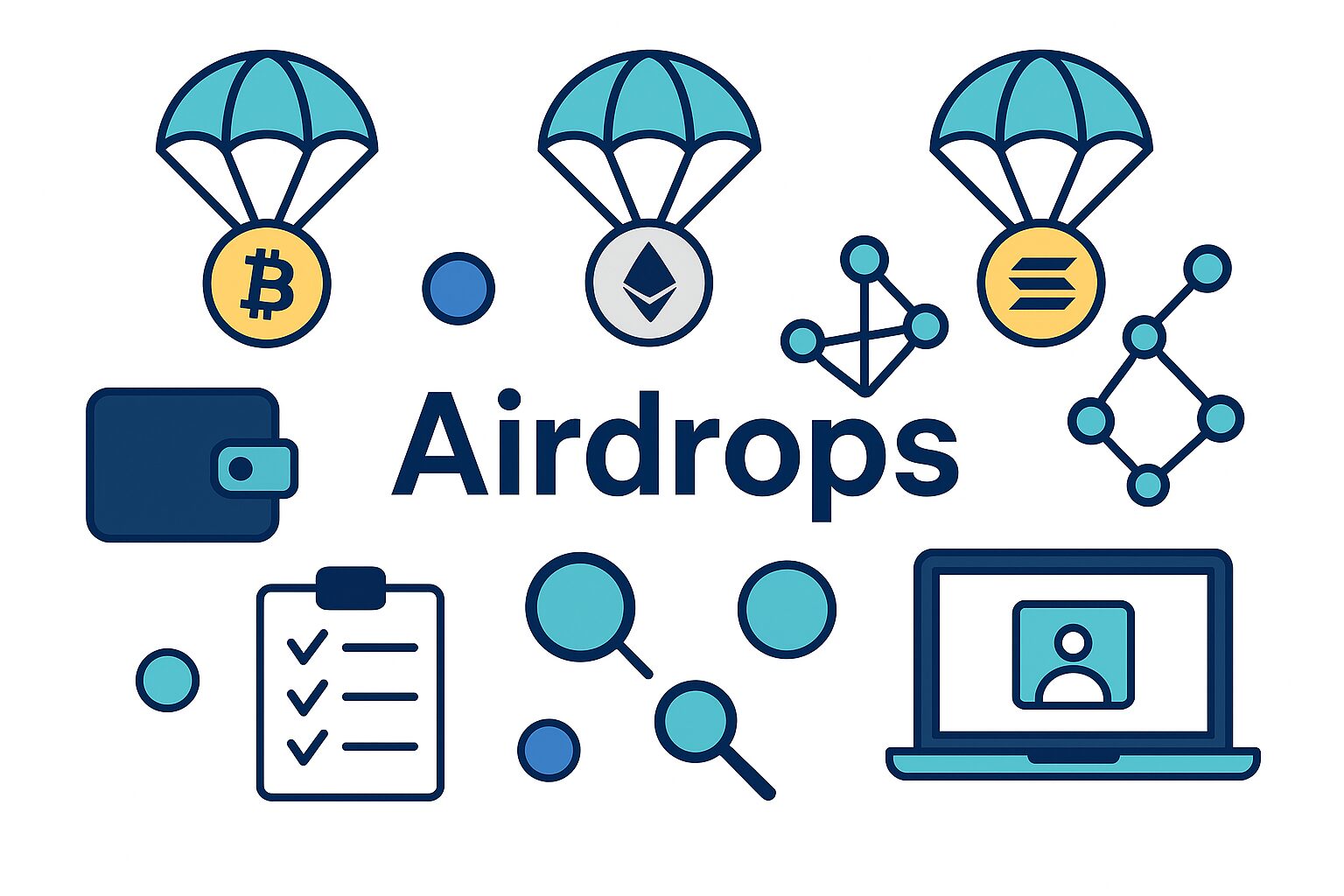
Airdrop Farming: OPSEC, Anti-Sybil, and the Real-User Playbook
Learn to farm airdrops safely and credibly: wallet architecture, anti-detect browsers, residential/mobile proxies, realistic on-chain behavior, and common anti-Sybil pitfalls.

Blockstranding on Solana — Real-Time On-Chain MMO & $STRAND Airdrop
Explore Blockstranding, a real-time on-chain MMORPG on Solana powered by MagicBlock. Season 2 is live—farm SP + Yaps for the $STRAND airdrop ahead of TGE.
Telegram Sniping Bots: Top Solutions and Front-Running Trading Mechanics
Compare top Telegram sniping bots for token launches — features, networks and safety tips. Learn how they work and when to use Alpha One, Unibot, Maestro.

AxiomTrade Review: Offshore, Unlicensed Broker with High Withdrawal Risk
Deep AxiomTrade review: offshore registration in Dominica, no license, $250 min deposit, up to 1:500 leverage, web terminal only (no MT4/MT5), widespread withdrawal issues and chargeback tips.
Also in this category
Related articles you might find interesting
Telegram NFT marketplace ranking: where to buy gifts, usernames and TON NFTs
A practical comparison of Telegram Gift Marketplace, Fragment, Getgems, Portals, Tonnel and P2P deals for buying Telegram Gifts, usernames and TON NFTs.
CryptocurrenciesYield-bearing stablecoins: RWA, DeFi, and delta-neutral — yield and risks
A yield-bearing stable isn’t “$1 + interest” — it’s a strategy. We break down APY sources, exit liquidity, and a quick checklist to get back to $1.
StablecoinsWhat this section covers
This section brings together practical materials about DeFi: how the market works, which conditions matter, what risks are hidden in the details and how to compare products without relying on advertising claims.
- key concepts, terminology and product mechanics
- risk checks before using a platform or protocol
- practical comparisons, warning signs and decision checklists
Entering DeFi protocols with controlled exposure
Connect a dedicated self-custody wallet, confirm the protocol's official URL and contract addresses, and approve only the token amount needed for the transaction. Begin with a small position, retain the network's native token for gas, monitor collateral and liquidity conditions, and revoke permissions that are no longer required.
Useful guides
For a deeper route through this topic, start with When Not to Use DeFi: Key Risks and Limitations, How to check cryptocurrency liquidity before a trade: trader checklist, Crypto bridges: how bridges work and which ones are safest, Approval phishing: why your wallet can be drained without a signature.
Frequently asked questions
What separates one DeFi protocol from another?
Examine smart-contract audits, administrator powers, oracle design, liquidation mechanics, liquidity depth, revenue sources, incentive emissions, governance concentration, and the history of exploits or emergency interventions. Quoted yield is meaningful only after accounting for token dilution, impermanent loss, borrowing costs, and contract risk.
Can audited DeFi protocols still lose user funds?
Yes. An audit reduces certain coding risks but cannot eliminate economic exploits, oracle failures, compromised keys, governance attacks, bridge failures, or undiscovered bugs. Treat every protocol as a separate risk exposure and avoid depositing more than you can withstand losing.