Stablecoins
Content focused on stablecoins, covering collateral models, peg mechanisms, risks, and their role in the crypto ecosystem

Stablecoin reliability: centralized vs decentralized — risks and checks
We compare stablecoins by peg mechanics: backing, 1:1 redemption, liquidity, and failure points.
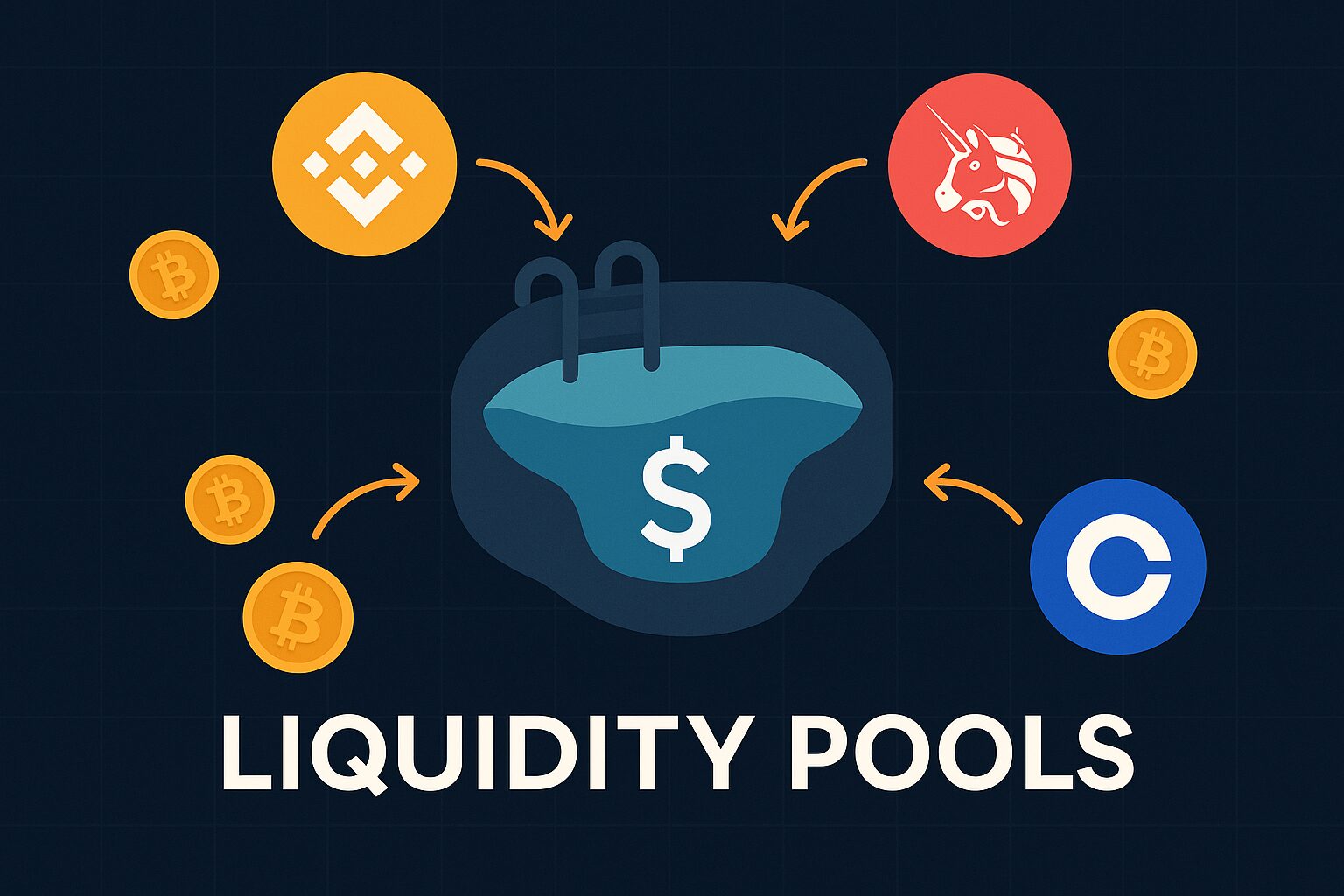
Bridged vs Native Stablecoins: Bridge Risks, Wrappers, and Backing Checks
How to tell a “wrapper” from native issuance and verify reserves, bridge caps, and the exit path.
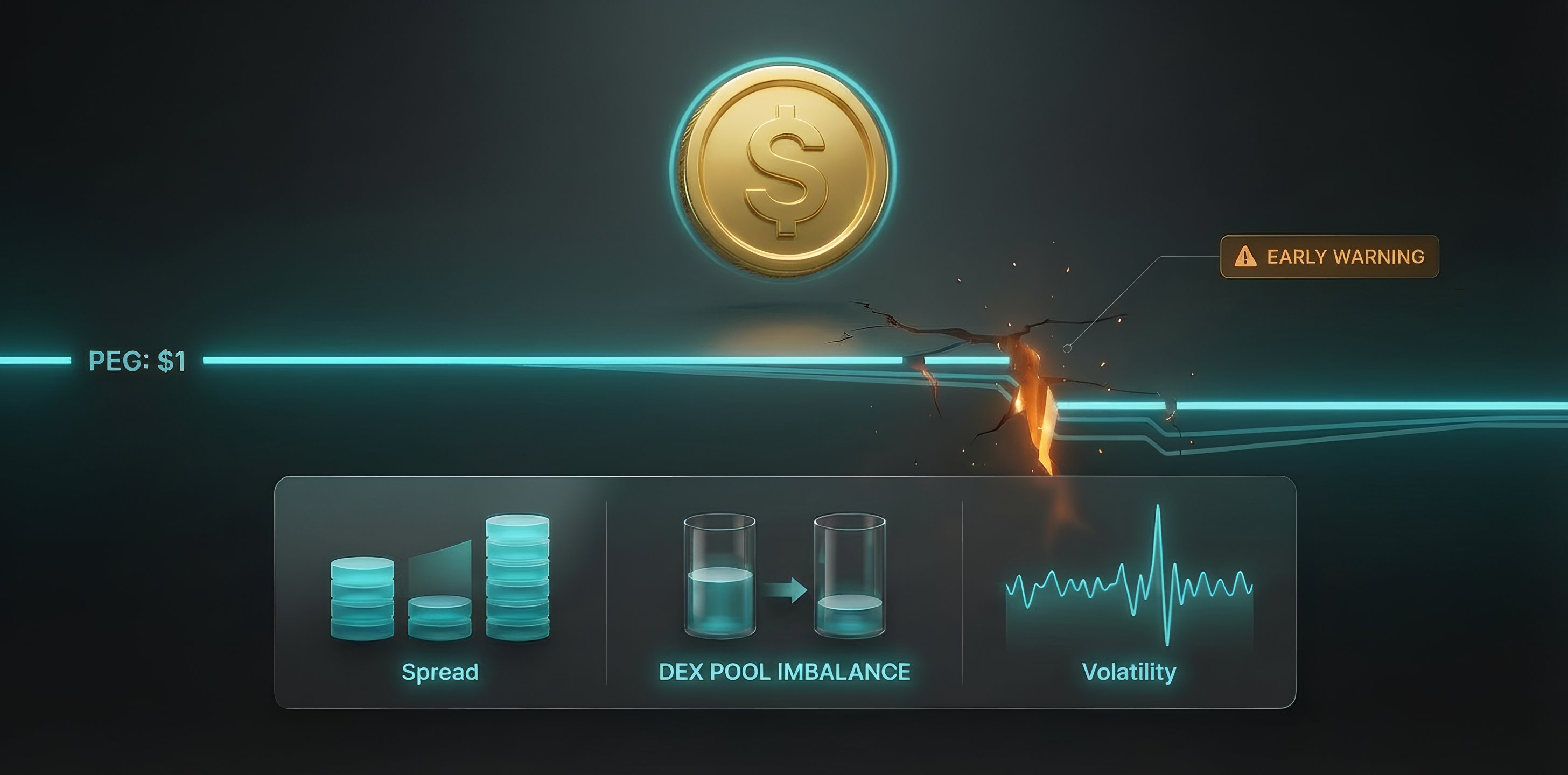
Stablecoin Depeg: Why the Peg Breaks, What Risks It Creates, and How to Reduce Them
Depeg mechanics, triggers, early warning signals, and a practical damage-control plan for holders and traders.
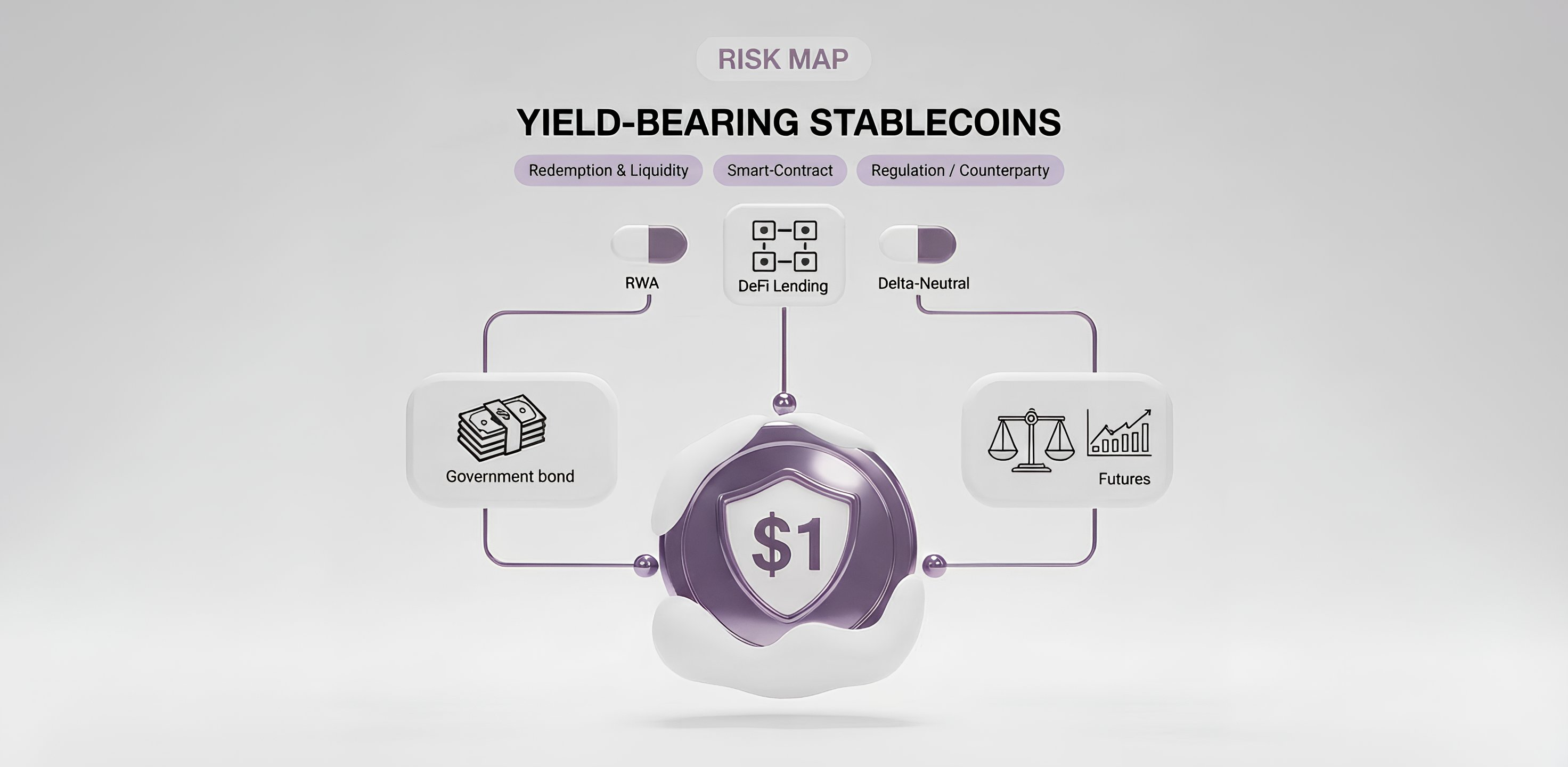
Yield-bearing stablecoins: RWA, DeFi, and delta-neutral — yield and risks
A yield-bearing stable isn’t “$1 + interest” — it’s a strategy. We break down APY sources, exit liquidity, and a quick checklist to get back to $1.

What Is a Stablecoin — Types, Examples, Regulation, Risks
A stablecoin is a crypto asset that aims to stay near $1: we break down the main types, redeem (redemption), depeg risk, and the freeze risk in centralized models.
Also in this category
Related articles you might find interesting
How to earn in the Avalanche ecosystem: DeFi protocols and AVAX staking
A practical guide to Avalanche DeFi: C-Chain, liquidity, staking, lending, bridges and risk controls
DeFiYield-bearing stablecoins: RWA, DeFi, and delta-neutral — yield and risks
A yield-bearing stable isn’t “$1 + interest” — it’s a strategy. We break down APY sources, exit liquidity, and a quick checklist to get back to $1.
StablecoinsStableSwap Pools on Curve: How They Work and Where the Yield Comes From
The StableSwap algorithm on Curve, efficient stablecoin swaps, LP yield, and the key risks of DeFi pools.
DeFiWhat this section covers
This section brings together practical materials about stablecoins: how the market works, which conditions matter, what risks are hidden in the details and how to compare products without relying on advertising claims.
- key concepts, terminology and product mechanics
- risk checks before using a platform or protocol
- practical comparisons, warning signs and decision checklists
Using stablecoins while managing peg and issuer risk
Choose a stablecoin whose reserves, redemption process, issuer, and blockchain support fit your purpose, then verify the token contract before receiving or swapping it. Keep the native gas asset available, use a small test transfer across unfamiliar networks, and avoid treating a price target of one dollar as a guarantee.
Useful guides
For a deeper route through this topic, start with What Is a Stablecoin — Types, Examples, Regulation, Risks, Stablecoin Depeg: Why the Peg Breaks, What Risks It Creates, and How to Reduce Them, Bridged vs Native Stablecoins: Bridge Risks, Wrappers, and Backing Checks, Yield-bearing stablecoins: RWA, DeFi, and delta-neutral — yield and risks.
Frequently asked questions
What makes one stablecoin safer or more useful than another?
Compare the peg mechanism, reserve composition, independent attestations or audits, redemption rights, issuer jurisdiction, transparency, liquidity, chain availability, smart-contract controls, blacklist powers, and record during market stress. Fiat-backed, crypto-collateralised, and algorithmic designs carry different combinations of credit, custody, liquidation, and confidence risk.
Can a stablecoin permanently lose its peg?
Yes. Reserve losses, redemption bottlenecks, smart-contract failures, regulatory action, insufficient collateral, or a collapse in confidence can push the market price away from its target. Diversifying issuers and networks may reduce concentration, but it does not turn stablecoins into insured bank deposits.